Anthropic robotics rumor puts Physical Intelligence in the spotlight
A denied Anthropic deal rumor revived attention on robotics startup Physical Intelligence, a company with ties to OpenAI and more than $1 billion raised.
By Jordan Bell · Startups & Deals Reporter
· 4 min read

A weekend rumor that Anthropic was buying robotics startup Physical Intelligence spread quickly across X, even after the startup’s CEO told employees the reports were not true, according to The Information. For investors watching the AI race, the episode matters because it points to a bigger fight: leading model makers are looking beyond chatbots and into robots that can work in the physical world.
The Information reported that Anthropic and Physical Intelligence did discuss an acquisition this spring. That means the online claim, amplified by tech blogger Robert Scoble on X, appears to have overstated the current situation while still landing near a real set of talks.
Physical Intelligence CEO Karol Hausman responded internally through Slack with a gif from “The Office” showing a character shaking her head no, according to The Information. TechCrunch reported that co-founder Lachy Groom did not respond to its request for comment Monday night.
Why Physical Intelligence drew attention
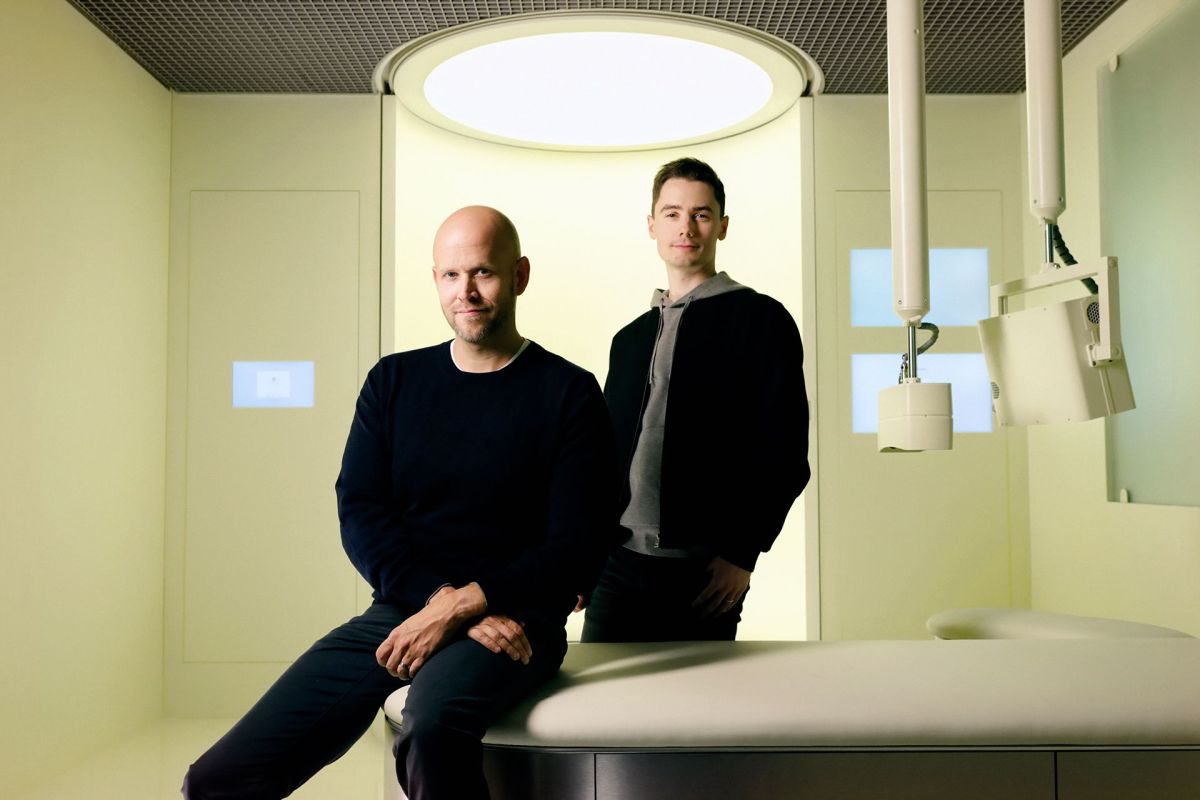
Physical Intelligence is not a small side project. TechCrunch reported that the San Francisco company was co-founded about two years ago by Groom, former Google researchers, and professors from Stanford and Berkeley.
The company has raised more than $1 billion, according to TechCrunch. It was also reportedly in talks this spring to raise another $1 billion at an $11 billion valuation. Its π0.5 model, described by TechCrunch as a “robot brain,” is apparently among the more widely used systems in robotics research.
That kind of profile makes Physical Intelligence a logical target for larger AI companies. A “model” is the software system trained to recognize patterns and produce outputs. In robotics, the model has to connect digital reasoning with physical actions, such as moving a robotic arm or guiding a machine through a task it has not seen before.
The OpenAI connection complicates the story
OpenAI is already an investor in Physical Intelligence, according to TechCrunch. Other investors in the startup include Khosla Ventures and Thrive Capital, both described by TechCrunch as part of OpenAI’s investor orbit. Founders Fund, also a major OpenAI investor, was reportedly involved in Physical Intelligence’s newest funding round earlier this year.
That raises deal-structure questions, though no answer has been reported. TechCrunch said OpenAI did not respond when asked whether its investment included information rights or a right of first refusal, a provision that can give an investor the chance to match or review a proposed sale before it happens.
Anthropic and OpenAI are both buying companies as they push to turn AI models into commercial products. TechCrunch reported that Anthropic has made four known acquisitions this year, while OpenAI has acquired at least 17 companies since 2023.
Both companies are also preparing for public listings, according to TechCrunch. Anthropic confidentially filed for an initial public offering on June 1, and OpenAI followed a week later. An IPO, or initial public offering, is the process of selling shares to public-market investors for the first time.
Robotics is becoming part of the AI race
OpenAI has moved in and out of robotics before. TechCrunch reported that the company once built a robotic hand that solved a Rubik’s Cube, shut down its robotics group in 2021, then restarted robotics work in 2024 with a humanoid lab in San Francisco.
OpenAI CEO Sam Altman made the robotics push public in late May, saying on X that “OpenAI Robotics” was hiring. TechCrunch reported that Altman described the near-term focus as robots for infrastructure work, with a longer-term goal of a personal robot for everyone.
Anthropic has not built a comparable hardware lab, according to TechCrunch. Its robotics work has centered on safety research, including Project Fetch, where staff tested how Claude could help non-experts program a robot dog. Anthropic said a later phase found a newer model completed the same tasks roughly 20 times faster than the best human-plus-Claude team from the prior year.
For now, Physical Intelligence says the acquisition reports are not true, based on The Information’s account of Hausman’s message. The larger signal is harder to miss: robotics has become another front in the competition between the companies trying to define the next stage of AI.
This story draws on original reporting from TechCrunch.