Apple inventory rises as supply constraints pressure hardware costs
Apple reported $11.1 billion in inventory as Tim Cook warned memory shortages are tightening and shares fell after hours.
By Theo Nakamura · Staff Writer
· 3 min read
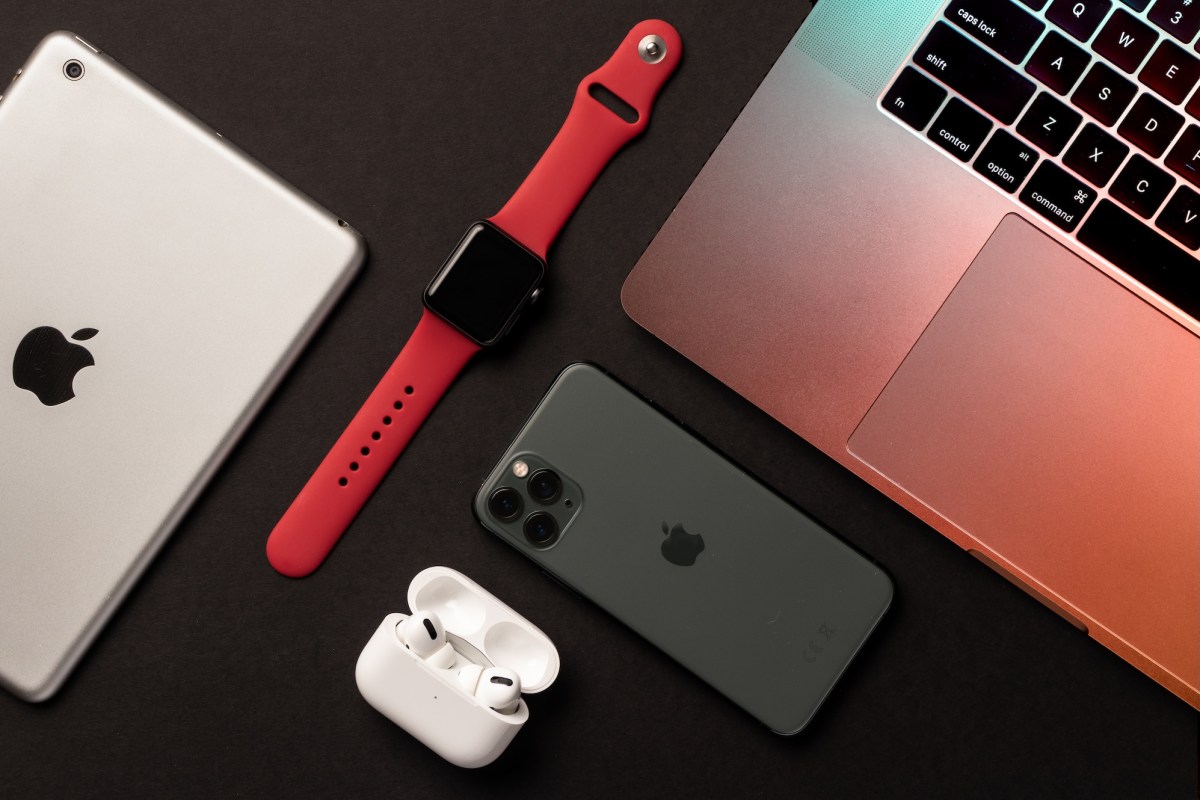
Apple inventory supply constraints are now front and center for investors after the company reported about $11.1 billion in inventory and warned that tight memory supply is getting harder to manage. CNBC reported Apple shares fell 6% in after-hours trading as investors weighed slower expected revenue growth against strong recent iPhone and Mac sales.
Inventory is the value of parts and finished products a company has on hand. For a hardware maker like Apple, carrying more inventory can help protect production when components are scarce, but it also signals that the company is preparing for a tougher supply environment.
Why is Apple stockpiling inventory?
Apple is facing pressure in memory chips, a category of components used across devices including iPhones and Macs. Tim Cook, Apple’s outgoing CEO, described current memory pricing as “a hundred-year flood,” according to TechCrunch, as demand for hardware components tied to generative AI strains supply.
The key issue for Apple is advanced memory used with Apple silicon, the company’s custom chip architecture behind its A-Series and M-Series processors, TechCrunch reported. RAM, short for random access memory, helps devices run apps and handle active tasks; when those chips get more expensive or harder to source, device production costs can rise.
An Apple filing showed inventory of about $11.1 billion, compared with $5.7 billion reported last September. That increase marks a shift for a company long associated with keeping inventory lean under Cook’s supply-chain approach.
What did Apple say about supply constraints?
On Apple’s quarterly earnings call, Cook said the company still expects strong demand, but has less room to adjust if supply tightens further. “We continue to expect high levels of demand. However, with less flexibility in supply chain, we expect the impact from the supply constraints to increase significantly sequentially,” Cook said. “We’re seeing some very significant constraints currently with limited flexibility in the supply chain to remedy it.”
Cook also said Apple would be “scrambling on the supply side, essentially.” The warning came even as Apple described its latest quarter as its strongest June quarter ever in its earnings release. Apple said iPhone sales rose 22% from a year earlier, while Mac sales increased 29%.
How did investors react?
Apple forecast revenue growth of 9% to 11% year over year for the coming quarter. TechCrunch reported that Apple had held roughly 16% year-over-year growth over the past several quarters, making the lower growth outlook a concern for investors.
The supply squeeze has already affected pricing. Cook said the constraints led Apple to “reluctantly” raise prices for Macs and iPads last month, according to TechCrunch. Other hardware companies that have raised prices during the memory crunch include Meta, Samsung, Microsoft and Sony, according to reports cited by TechCrunch.
The timing adds another wrinkle for Apple. John Ternus, Apple’s senior vice president of hardware engineering, is expected to take over the CEO role in September, according to TechCrunch. If memory constraints persist, he could inherit a company with strong device demand but less flexibility in the supply chain that supports it.
This story draws on original reporting from TechCrunch.