Elon Musk Tesla earnings calls shift toward AI, robotaxis and Optimus
A transcript analysis finds Tesla’s calls now center more on AI and robots, though the “half” claim needs important context.
By Theo Nakamura · Staff Writer
· 3 min read
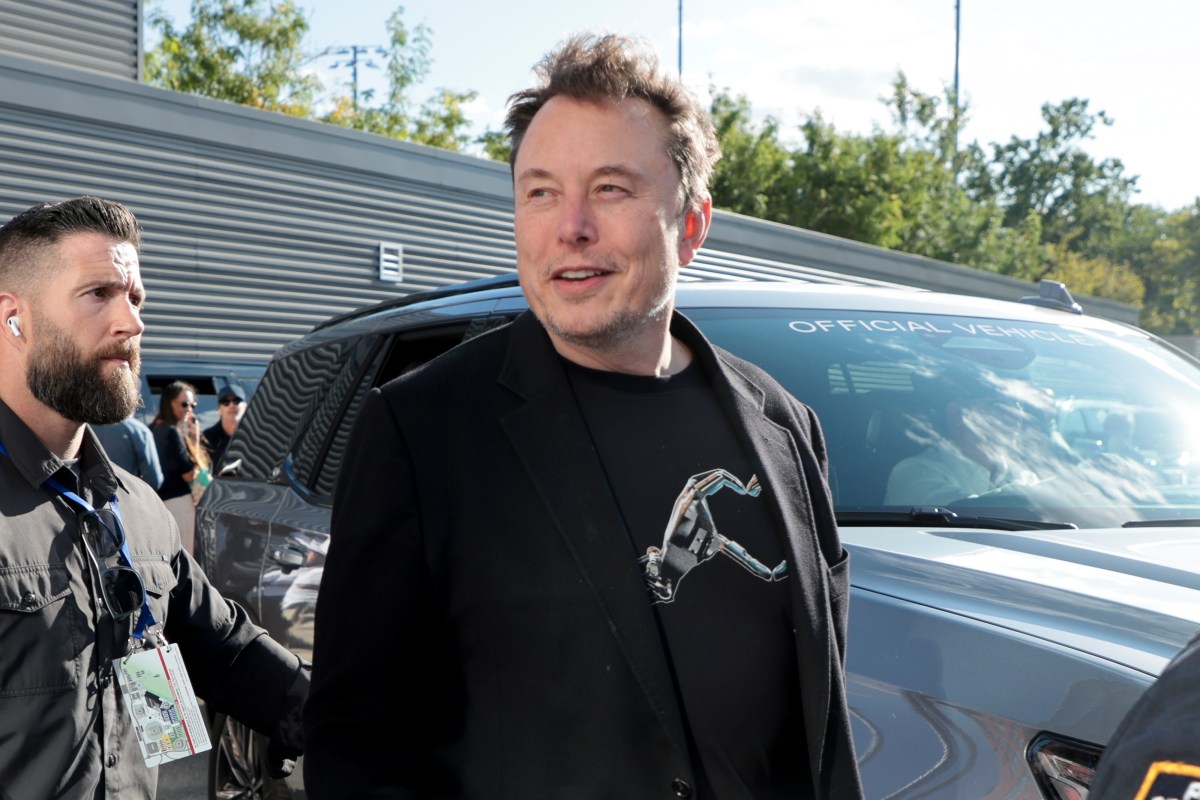
Elon Musk Tesla earnings calls have shifted sharply toward artificial intelligence, robotaxis and the Optimus humanoid robot, according to a new TechCrunch analysis with Hudson Labs. For investors, the change matters because Tesla still earns most of its revenue from cars, while management is directing more of its public discussion and planned investment toward businesses that are earlier in development.
TechCrunch’s headline finding is that Musk spends about half of his call time on robots and AI. The available material supports reporting that as the publication’s and Hudson Labs’ analysis, rather than as an independently verified measure: the excerpt does not include the Musk-only results or the calculation behind that figure.
The visible data show a broader measure, covering all Tesla management speakers in the second quarter of 2026. AI and robotaxi discussion accounted for 27.8% of the group’s words, while Optimus represented 14.6%. Together, those subjects made up 42.4% of management word count. Cars accounted for 25.4%, energy 4.9%, and other subjects 27.3%.
What did Elon Musk discuss on Tesla earnings calls?
Hudson Labs obtained Tesla call transcripts dating to 2019 from S&P Market Intelligence, TechCrunch reported. Its Co-Analyst tool assigned each sentence to a topic and counted the results. The researchers used word count as a stand-in for speaking time.
An earnings call is where executives discuss quarterly results and future plans with investors and analysts. It can reveal the priorities management chooses to emphasize, but it does not itself prove that a project will deliver revenue or reach a stated production goal.
The shift is clear against the earliest data displayed in the analysis. In the first quarter of 2019, cars and manufacturing made up 58.7% of Tesla management’s words. AI, autonomy and robotaxis represented 6.3%, while Optimus and robotics registered 0%. Quarterly results varied across the chart, so the data do not establish a straight-line move every quarter.
How does the talk compare with Tesla’s business today?
TechCrunch reported that Tesla shipped nearly half a million vehicles in the prior quarter and generated 70% of its money from automotive sales. That leaves a gap between the company’s current revenue base and the subjects receiving a larger share of discussion on calls.
Tesla’s spending plans point in the same direction. IndustryWeek reported that capital expenditures totaled $5.8 billion in the second quarter and that Tesla expects spending to exceed $25 billion for the year. Chief Financial Officer Vaibhav Taneja said capital spending would rise for the next two to three years as Tesla works on autonomous transportation and robotics, according to IndustryWeek.
IndustryWeek also reported that Tesla said Optimus production lines were being installed in Fremont, California, with a goal of starting production before year-end. That is a company target, not a completed launch.
The transcript analysis has limits. Word count is not actual speaking time, a single sentence can cover more than one subject, and the classifier’s labels were not independently audited in the material available. The excerpts also do not provide raw transcripts, classification rules, error rates or the underlying Musk-only table. Still, the displayed all-management figures show that Tesla’s earnings-call narrative is increasingly built around AI, autonomy and robotics alongside its established car business.
This story draws on original reporting from TechCrunch.