Flock Safety CEO to address surveillance debate at Disrupt 2026
Garrett Langley will discuss AI, surveillance and public safety as Flock faces investor demand, privacy criticism and lost partnerships.
By Jordan Bell · Startups & Deals Reporter
· 3 min read

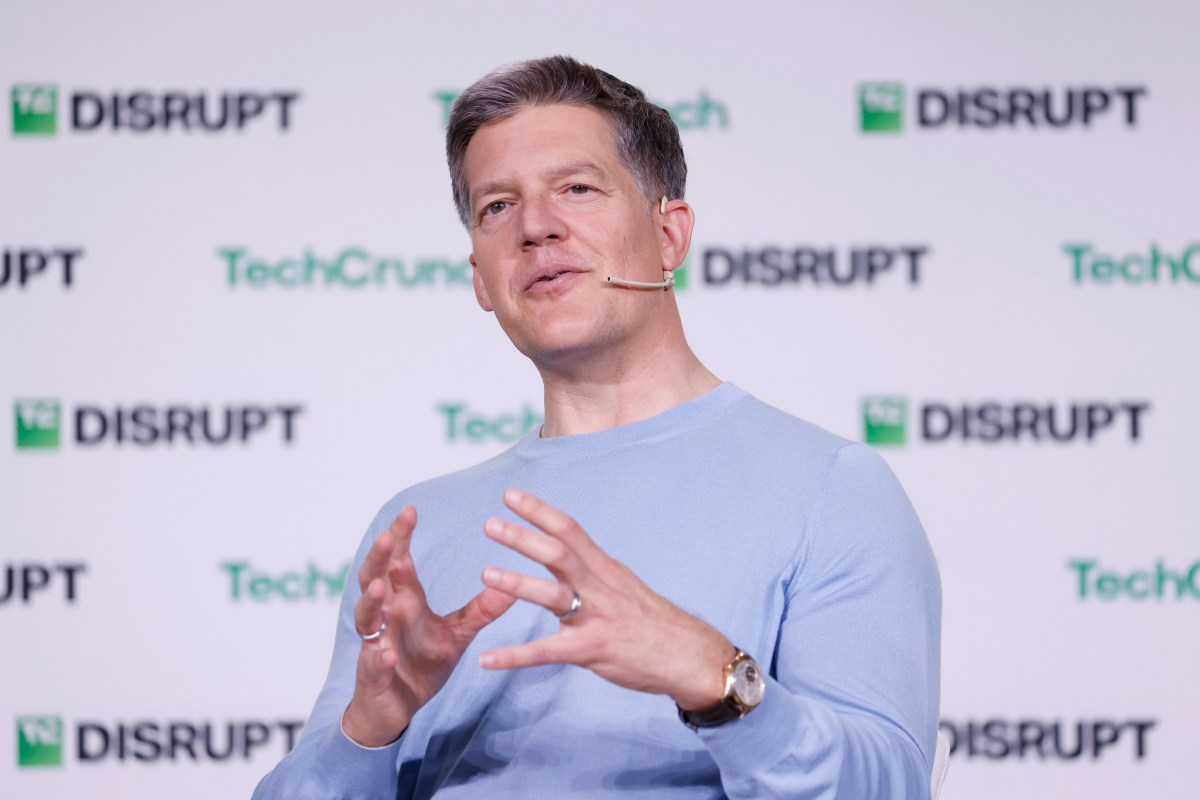
Flock Safety founder and CEO Garrett Langley is set to speak at TechCrunch Disrupt 2026 about AI, surveillance and public safety, according to TechCrunch Events. For retail investors watching private tech valuations, Flock is a useful case study: fast funding growth can come with regulatory, public and customer pushback.
The session is scheduled as part of TechCrunch Disrupt 2026, which TechCrunch said will run October 13 to 15 at San Francisco’s Moscone Center. The event is expected to draw 10,000 founders, investors, tech enthusiasts and innovators, with programming that includes workshops, speaker sessions, after-parties and networking.
Why Flock is drawing attention
Flock Safety, based in Atlanta, sells surveillance technology to businesses and law enforcement agencies, according to TechCrunch. The company is best known for license plate recognition, a system that uses cameras and software to identify vehicle plates and match them against databases. TechCrunch said Flock also sells broader surveillance cameras and has been building drone first-responder technology after acquiring Aerodome.
That product mix puts Flock in the middle of a larger fight over how governments and companies use artificial intelligence in public spaces. AI can help sort images, detect patterns and speed up alerts, but those same tools raise questions about who gets watched, how data is stored and which agencies can access it.
TechCrunch said Langley’s Disrupt appearance will focus on Flock’s approach to the tighter connection between AI and the surveillance industry. The company’s supporters and critics are likely to be listening closely because Flock’s growth has made it one of the more visible private companies in public-safety technology.
A fast-growing private company
Flock was founded in 2017 by Langley, Matt Feury and Paige Todd, according to TechCrunch. The startup went through Y Combinator, the accelerator known for backing early-stage tech companies.
Langley had startup experience before Flock. TechCrunch said he previously worked on Clutch, a car subscription service, and Experience, where he led teams including engineering and design before the company was sold to Cox Enterprises for $200 million in 2014.
Flock has attracted substantial venture funding. TechCrunch reported that the company raised $275 million last year at a $7.5 billion valuation, up from a $4.8 billion valuation the prior year. Since launch, Flock has raised $950 million in total funding, according to TechCrunch.
For investors who follow private-market signals, valuation means the price investors assign to a company during a funding round. It is not the same as a public stock price, and it can change sharply depending on growth expectations, market conditions and investor demand.
Privacy backlash remains a major issue
Flock’s expansion has also brought criticism. TechCrunch said privacy advocates including the ACLU, along with members of the public, have objected to the company’s cameras and databases, especially as Flock continues to offer them to U.S. Immigration and Customs Enforcement.
The opposition has gone beyond public statements. TechCrunch reported that some people have destroyed Flock surveillance cameras. The company has also faced business setbacks: Amazon’s Ring recently ended a partnership with Flock, and the Los Angeles Police Department let its Flock contract expire this month, citing serious concerns about civil liberties and privacy, according to TechCrunch.
Langley’s Disrupt session will arrive as Flock tries to balance commercial momentum with scrutiny over surveillance, data access and policing. That tension is likely to remain central to how investors, customers and policymakers assess the company’s next phase.
This story draws on original reporting from TechCrunch.