GM and Ford EV earnings calls show electric talk fading
TechCrunch and Hudson Labs found GM and Ford now discuss EVs on investor calls less than they did before the pandemic.
By Theo Nakamura · Staff Writer
· 3 min read
A TechCrunch analysis with Hudson Labs of GM and Ford EV earnings calls found that the two largest U.S. automakers are discussing electric vehicles with investors less often than they did before the pandemic. For everyday investors, that shift is a useful signal: earnings calls, the quarterly conversations where executives discuss results and answer analyst questions, show what management wants Wall Street to focus on.
The analysis covered seven years of quarterly calls from General Motors and Ford, using 29 transcripts for each company from the first quarter of 2019 through the second quarter of 2026. Hudson Labs, a New York financial research firm, pulled transcripts from S&P Market Intelligence and used its Co-Analyst research tool to tag sentences by topic, then measured both the number of EV references and the share of each call devoted to EV discussion.
Why are GM and Ford talking less about EVs?
TechCrunch reported that both automakers have changed, postponed or dropped some EV plans over the past two years, with related layoffs and reduced factory plans. The companies still sell electric vehicles and have additional models in development, but the call data shows EVs taking up less space in investor conversations.
GM spokesperson Jim Cain told TechCrunch that “quality counts more than quantity.” Cain said GM has been consistent in saying EVs are “the end game,” while also discussing its current vehicle lineup, EV customer loyalty, market share growth and investments in technologies including lithium manganese-rich batteries, known as LMR, which are intended to improve profitability.
Cain also said GM uses call time to cover software and services, autonomous technology, trade and regulation, operating results, capital allocation and regional performance, while reserving at least half of each call for questions and answers.
Ford spokesperson David Tovar pointed TechCrunch to Ford’s planned “Universal Electric Vehicle” platform, expected next year. Tovar said Ford believes the first product from that platform, a midsize pickup, will fit the EV market on cost, price and technology.
What the data showed at GM
GM moved early among major automakers with the Chevrolet Bolt EV, which debuted at CES in January 2016 and went on sale before the end of that year, ahead of Tesla’s first Model 3 deliveries, according to TechCrunch. EVs became a larger part of GM’s investor calls as spending increased in 2019 and 2020.
TechCrunch and Hudson Labs found GM made more than 100 EV references on each of its final two earnings calls in 2020, with EVs making up about a third of discussion. For much of the next four years, GM devoted roughly a quarter of its calls to EVs, aside from dips tied to the 2021 chip shortage and the first-quarter 2025 call dominated by President Trump’s “Liberation Day” tariffs.
After Trump returned to office, his administration cut environmental rules that encouraged zero-emission vehicles, and Republicans eliminated the $7,500 federal tax credit for new EVs, TechCrunch reported. GM’s EV references fell from 82 on its second-quarter 2025 call to 21 on its most recent call, covering the second quarter of 2026.
What the data showed at Ford
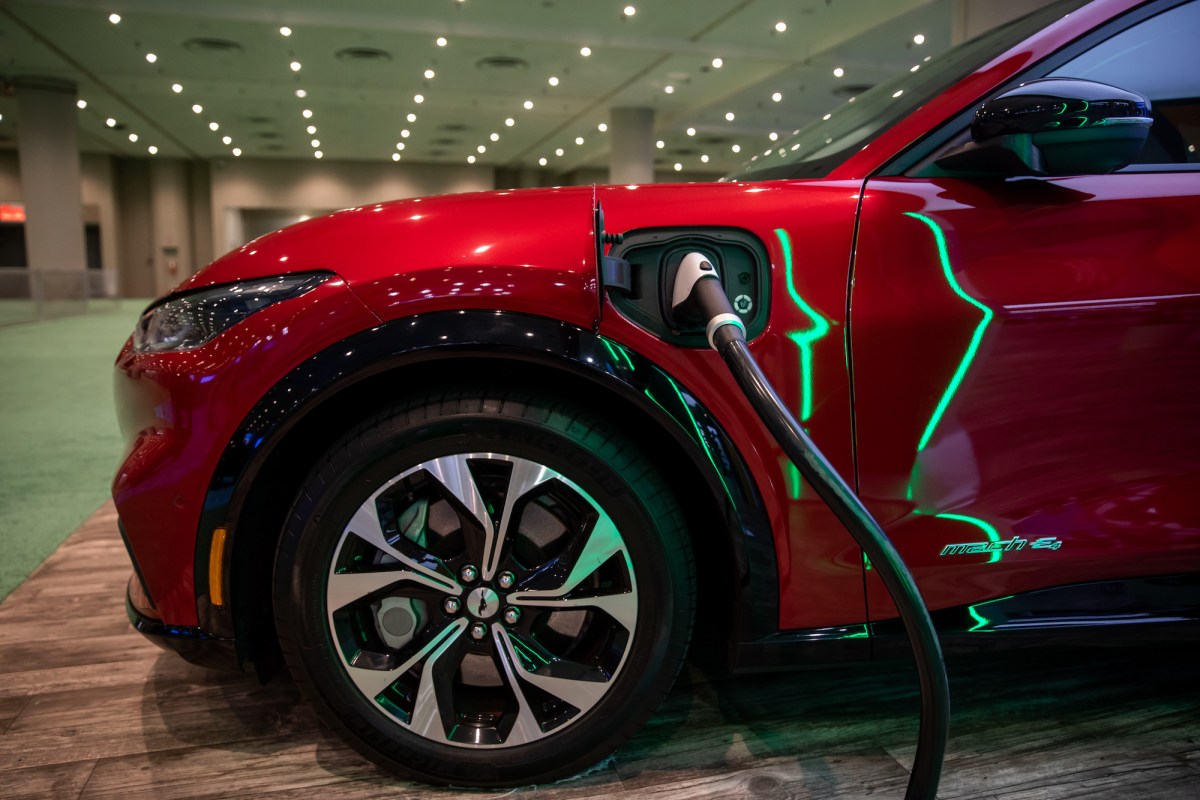
Ford’s EV call activity rose after the Mustang Mach-E debuted in late 2019 and as deliveries approached in 2020, according to TechCrunch. Discussion increased further around the 2021 launch of the F-150 Lightning, with EVs accounting for about a third of Ford’s quarterly investor conversations for a stretch during the Biden administration.
Ford began reducing EV discussion before the 2024 election, TechCrunch reported, as it pulled back from some large EV investments and shifted attention toward the Universal Electric Vehicle platform. On Ford’s latest call, CEO Jim Farley said the company “will become a major scaled competitor as we invest in affordable, versatile EVs,” with investors waiting until at least next year to see the first vehicle from that plan.
This story draws on original reporting from TechCrunch.