Google AI Overviews data shows AI answers in 43% of searches
Similarweb says Google AI Overviews rose from 15% to 43% of searches in a year, changing how users and publishers interact with search.
By Theo Nakamura · Staff Writer
· 3 min read
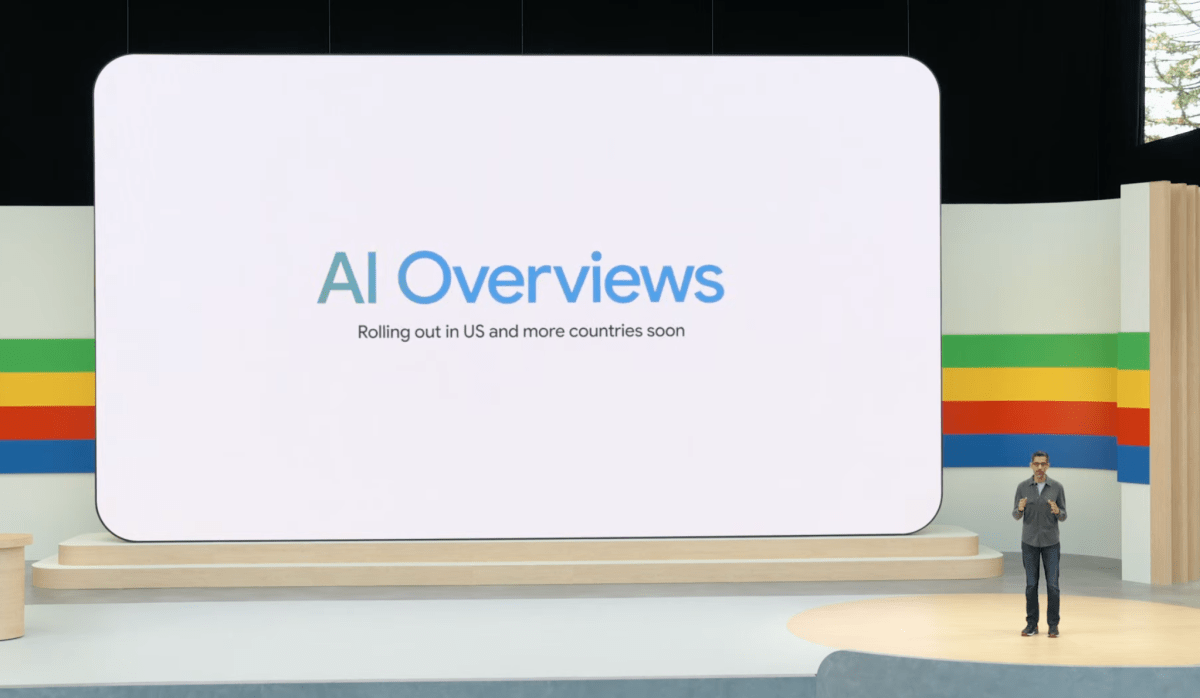
Google AI Overviews data from market intelligence firm Similarweb shows Google’s AI-generated search answers are appearing far more often than they did a year ago. For investors watching Alphabet and the broader web economy, the shift matters because Google is making search feel less like a directory of links and more like a place where users get answers without leaving.
Similarweb said Google’s AI Overviews, the AI-written summaries that appear inside search results, showed up in 43% of searches, up from 15% a year earlier. The firm described the feature as moving from an added layer on top of search into a regular part of how people look for information.
AI Overviews are Google-generated answers that pull from information across indexed websites and present a summary on the results page. In practice, that can reduce the need for a user to click through to a publisher, retailer, travel site, or other destination page if the summary already answers the question.
How often do Google AI Overviews appear in searches?
According to Similarweb, Google AI Overviews now appear in 43% of searches, compared with 15% a year earlier. Similarweb also said visits to Google’s AI Mode increased from 126 million in June 2025 to 279 million by May 2026.
AI Mode is Google’s more conversational search experience, where users can ask follow-up questions instead of typing separate short queries. Similarweb’s analysis said Google is increasingly directing users from AI Overviews into AI Mode, which keeps the research process inside Google’s own product.
The behavior change is visible in query length, according to Similarweb. The firm said the average Google search has become longer over the past year, suggesting users are typing more natural-language questions rather than short keyword searches.
That shift changes the economics of the open web. Search traffic has long been a major distribution channel for publishers, because Google would show links and users would click out to read the full page. With AI answers, Google can cite or summarize outside content while the user stays on Google.
Publishers have pushed back against that pattern because citations do not guarantee referral traffic. Similarweb previously reported that news publishers were especially affected by declining referrals tied to AI search features. Cloudflare has introduced tools that let publishers block AI crawlers from accessing their sites unless AI companies pay for access through its marketplace.
What the ChatGPT referral data says
Similarweb’s report also looked at AI search behavior beyond Google. The firm said AI responses that include citations have increased more than fivefold over the past year, though citations still appear in a limited share of ChatGPT activity.
As of May 2026, Similarweb said 6.8% of U.S. ChatGPT desktop queries included citations. The firm said some categories, including travel, retail, and sports, produced cited responses more often than others.
There was a more encouraging sign for publishers in ChatGPT referral data. Similarweb said that after a May 7 search update, the share of U.S. desktop ChatGPT visits landing on webpages rose from 25% in March 2026 to nearly 60% by May 30, 2026.
That suggests users may click through when AI search products make traditional links more visible. Still, Similarweb’s Google data points to a broader direction: search is becoming more answer-centered, and Google is taking a larger role as the place where the information is consumed.
This story draws on original reporting from TechCrunch.