Lyft Baidu London robotaxi testing starts with safety drivers
Baidu’s Apollo Go cars are testing in London through Lyft-owned Freenow, with public robotaxi rides targeted for 2027 pending approval.
By Jordan Bell · Startups & Deals Reporter
· 3 min read
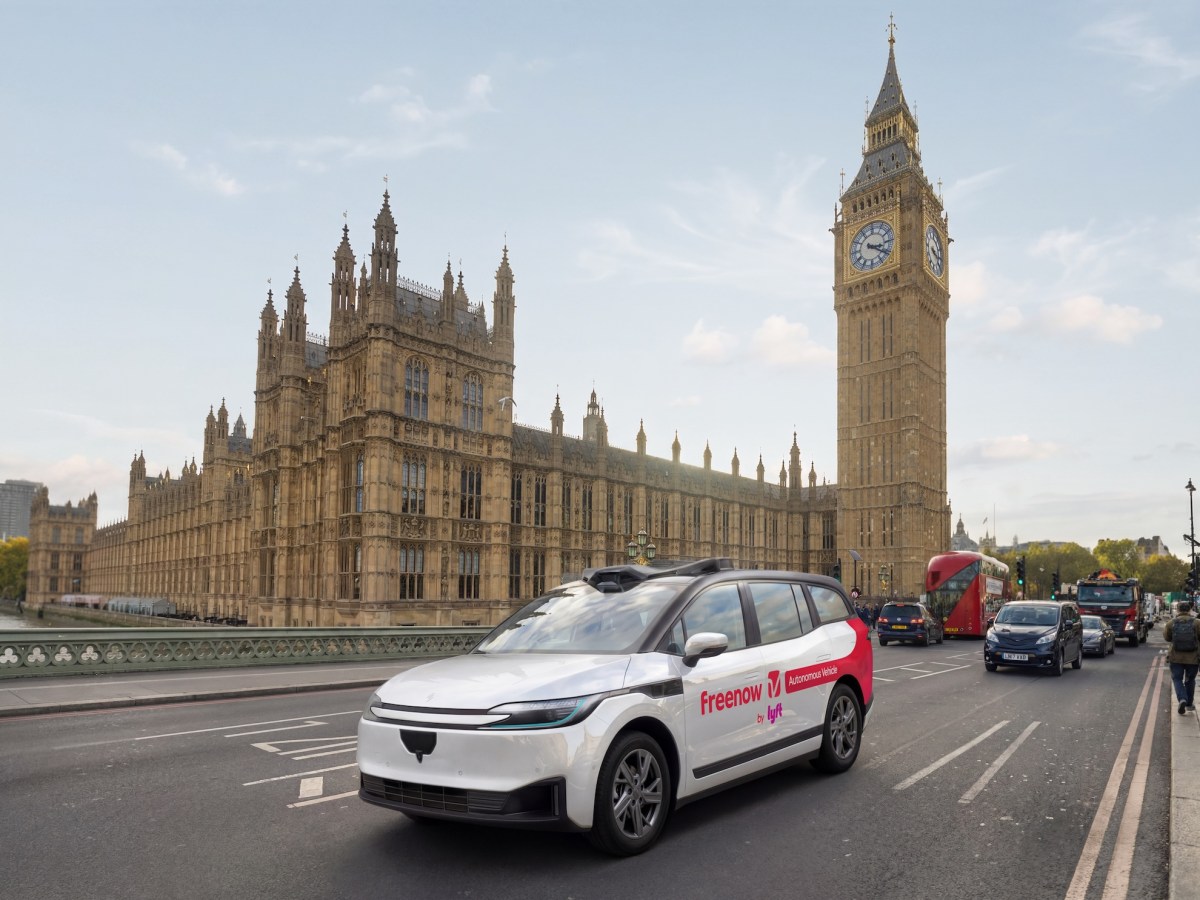
Lyft Baidu London robotaxi testing has begun, putting another well-funded team into one of Europe’s most closely watched self-driving markets. For investors following ride-hailing and autonomous driving, the move shows how Lyft is using its Freenow acquisition to get a European foothold in a business that could reshape taxi economics over time.
Baidu has started testing autonomous vehicles in London through its partnership with Lyft and Freenow, the German taxi and multi-mobility app Lyft bought in 2025, TechCrunch reported. An autonomous vehicle is a car designed to drive itself using sensors, software and onboard computing, though the London tests currently include human safety operators.
The companies are using Baidu’s Apollo Go RT6, a purpose-built robotaxi model. A robotaxi is a ride-hailing vehicle designed to carry paying passengers without a human driver once regulators allow that level of operation.
When will Lyft and Baidu robotaxis launch in London?
Freenow by Lyft and Baidu expect to let the public hail robotaxis in 2027, according to the companies. They did not give a tighter schedule, and said any launch will depend on regulatory approval.
For now, the rollout is a test program rather than a commercial service. Dozens of vehicles will operate in Brent, a borough in northwest London, with safety drivers in the cars.
Lyft and Freenow said they are continuing talks with safety and city authorities, including Transport for London and the Centre for Connected and Autonomous Vehicles. The UK government is still developing rules for autonomous vehicles and opened applications in May for an AV pilot program that allows supervised self-driving tests.
Why London is drawing robotaxi companies
London has become a target market for several autonomous-driving players. Waymo began testing vehicles in the city with human safety operators in April, TechCrunch reported. Uber and its self-driving partner Wayve have also announced plans for a London robotaxi service this year.
Uber and Wayve’s initial service is expected to include human safety operators before any fully driverless service begins later. Customers can already join an interest list for that planned service, according to TechCrunch.
The business logic is straightforward: ride-hailing platforms spend much of each fare on driver pay, while robotaxi operators aim to replace some labor costs with vehicles, software and remote operations. That shift is expensive and regulated, so early testing is less about near-term profit and more about proving safety, reliability and city acceptance.
What Freenow changes for Lyft
Lyft’s 2025 purchase of Freenow for about $197 million gave the company an entry point into Europe’s ride-hailing market, TechCrunch reported. Freenow’s existing taxi and private-hire network gives Lyft a platform where Baidu’s Apollo Go vehicles can eventually be offered to riders.
When the service launches, Freenow by Lyft said it will run a hybrid network, with human-driven taxis and private-hire vehicles operating alongside robotaxis. That mirrors language used by Uber for its own approach.
Thomas Zimmermann, CEO of Freenow by Lyft, said in a statement that the company’s focus is on making autonomous technology work with London’s professional drivers. “As a platform with deep roots in the taxi industry, our priority is ensuring that autonomous technology supports the professional drivers who keep London moving,” Zimmermann said.
This story draws on original reporting from TechCrunch.