Meta RE100 exit lands as company expands natural gas power plans
Meta is no longer part of RE100 after a decade, as it funds gas plants tied to its AI data center power needs.
By Jordan Bell · Startups & Deals Reporter
· 3 min read
The Meta RE100 exit puts a new spotlight on how the company is powering its AI data center push. Meta confirmed to TechCrunch that it is no longer a member of RE100, a corporate renewable energy initiative, after roughly 10 years in the group.
For retail investors following Meta, the energy story matters because AI growth is not just about chips and models. Data centers need steady electricity, and Meta has been arranging large amounts of power while still saying it matches its data center electricity use with clean and renewable energy.
A Meta spokesperson told TechCrunch the split from RE100 was mutual. The company did not give TechCrunch a reason for the departure, and the Climate Group, the nonprofit behind RE100, did not respond to TechCrunch’s request for comment. Recharge News first reported Meta’s departure.
What is RE100 and why did Meta leave?
RE100 is an initiative run by the Climate Group, a UK-based nonprofit co-founded by former British Prime Minister Tony Blair. The program gives companies policy and technical support as they work toward using 100% renewable electricity.
Meta’s exact reason for leaving has not been disclosed. TechCrunch reported that the Climate Group recently updated RE100 accountability guidance with stricter reporting expectations for companies tracking progress toward renewable power goals. An archived RE100 page showed Meta had previously told the group it would run its full operations on renewable electricity by 2020.
RE100 still lists major Meta competitors among its members, including Apple, Google and Microsoft. The group had 444 members, according to TechCrunch.
Meta’s natural gas buildout
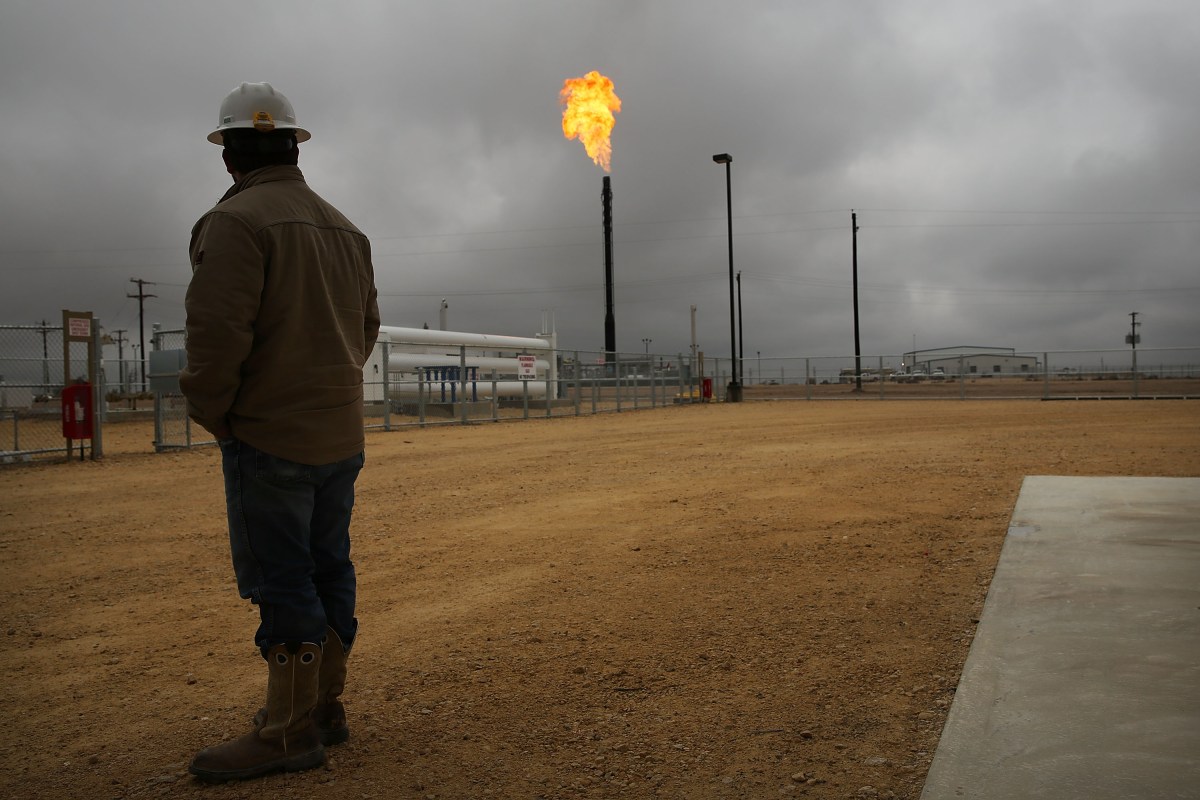
Meta has financed at least a dozen natural gas power plants over the past year, according to TechCrunch. The projects are tied to the company’s need for electricity to run data centers as it expands its AI operations.
The first reported project was a 200-megawatt behind-the-meter gas plant in Ohio, announced in June of last year, to serve a Meta data center. Behind-the-meter means the power source is located on-site or directly connected to the user, rather than relying only on the broader electric grid.
Two months later, Meta said it would build three large natural gas power plants in Louisiana for its Hyperion data center. In April, the company announced funding for seven additional gas plants for the same project. Together, those 10 plants are expected to produce 7.5 gigawatts of power, which TechCrunch reported is more than enough electricity to power South Dakota.
Meta told TechCrunch through a spokesperson that it remains committed to matching data center electricity consumption “with 100% clean and renewable energy.”
How can Meta claim renewable energy while using gas?
Companies can meet renewable electricity claims by buying environmental attribute certificates. These certificates let a company fund or claim renewable power generated in one place, such as a solar farm, while its facilities consume electricity somewhere else.
That approach often uses annual matching: if enough renewable power is produced over a year to equal a company’s electricity use, the company can count that usage as matched by renewable energy. TechCrunch reported that some companies, including Microsoft, are trying hourly matching instead, which lines up power production more closely with when electricity is actually used.
Natural gas produces less pollution than coal, but it still emits pollutants. TechCrunch reported that a 1-gigawatt data center running full time on natural gas would release nitrogen oxides, fine particulate matter, sulfur oxides and carbon monoxide. The National Institute of Environmental Health Sciences links air pollution exposure to diseases including asthma, cancer, cardiovascular disease and dementia.
Meta is not the only large tech company backing fossil fuel power for data centers. TechCrunch noted that Google and Microsoft have also invested in large fossil fuel projects. Meta’s departure from RE100 stands out because it comes while the company is expanding its natural gas-backed power supply for AI infrastructure.
This story draws on original reporting from TechCrunch.