Microsoft cyber model debuts with Perception AI security platform
Microsoft introduced MAI-Cyber-1-Flash and Perception, adding AI tools meant to find, prioritize and fix software security flaws.
By Theo Nakamura · Staff Writer
· 3 min read
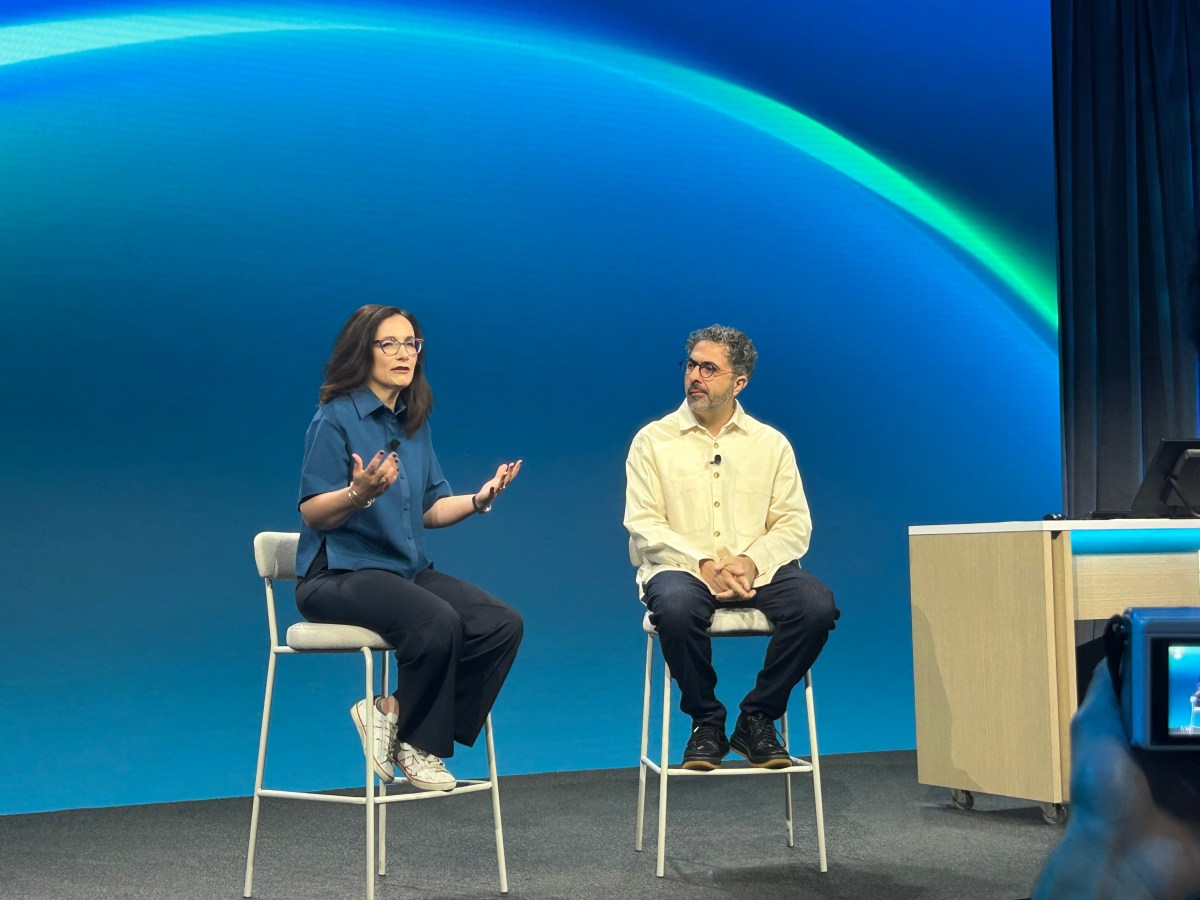
Microsoft launched its first Microsoft cyber model on Monday, pairing the new MAI-Cyber-1-Flash system with an AI security platform called Perception. For investors tracking Microsoft’s AI push, the move shows the company trying to turn its model work into enterprise security products, a market where Anthropic, Google and OpenAI are also active.
The company introduced the products at a small event in San Francisco. Microsoft describes MAI-Cyber-1-Flash as a specialized model built for finding difficult security flaws in large codebases, according to Microsoft AI.
The model works with MDASH, Microsoft’s system for software vulnerability discovery and repair. A vulnerability is a weakness in software that an attacker could use to break into a system, steal data or disrupt operations.
What is Microsoft MAI-Cyber-1-Flash?
MAI-Cyber-1-Flash is Microsoft’s first AI model focused specifically on cybersecurity tasks. Microsoft says it is designed to help identify and fix bugs in complex software, with MDASH acting as the harness that puts the model to work on vulnerability detection and remediation.
Mustafa Suleyman, CEO of Microsoft AI and a co-founder of DeepMind, said the company tested MAI-Cyber-1-Flash with GPT 5.4 inside MDASH against rival systems on Cyber Gym, a benchmark used for AI cybersecurity performance. Suleyman said Microsoft’s setup beat Gemini, GPT 5.5 Cyber, GPT 5.6 Sol and Mythos 5 on that benchmark, and said Microsoft was putting it into production immediately.
Microsoft also claimed the new model is more cost-effective than competing models, based on its benchmark performance. The company did not provide pricing details in the announcement described at the event.
How Perception uses AI agents
Perception is Microsoft’s new platform for deploying AI agents across security work, according to a Microsoft blog post. In plain terms, an AI agent is software that can carry out multi-step tasks on behalf of a user or team, rather than only answering a prompt.
Microsoft said Perception can support and automate workflows such as finding bugs and fixing them. The platform can also connect with MDASH.
Hayete Gallot, Microsoft’s vice president for security, said attackers are using AI more often, and described Perception as a way for enterprise security teams to use AI against AI-driven threats at comparable speed and scale.
Perception uses three types of agent teams. Red teams simulate possible attacks and outline likely threat actors and weak points. Blue teams focus on detecting and triaging current bugs, which means sorting them by urgency and impact. Green teams carry out corrective steps against those issues, according to Microsoft.
Dave Weston, the lead engineer for Perception, said the platform can compress work that previously took multiple security specialists hours into minutes. He said Perception can discover problems, prioritize them, create detections, adjust security posture and generate code fixes.
A crowded AI security race
Microsoft said the new security tools will be available in preview on November 3. A preview release usually means customers can test a product before it becomes broadly available.
The launch adds Microsoft to a fast-growing group of AI security providers. Anthropic introduced Mythos earlier this year through a partner program called Glasswing, according to TechCrunch. OpenAI launched its own security effort in May through a program called Day Break, according to The Verge.
This story draws on original reporting from TechCrunch.