Recursive Amazon compute deal commits about $400 million to AWS
Recursive is committing about $400 million to AWS compute as it builds self-improving AI systems and plans early product demos this year.
By Theo Nakamura · Staff Writer
· 3 min read
The Recursive Amazon compute deal gives Amazon Web Services a sizable new AI customer and shows how quickly young AI labs are turning fundraising into cloud bills. Recursive Superintelligence said Tuesday it signed a multi-year compute agreement with AWS worth about $400 million, according to TechCrunch.
For Amazon investors, the deal points to continued demand for AWS infrastructure from AI companies that need large amounts of processing capacity. For startup watchers, it is another reminder that the cost of competing in advanced AI is increasingly tied to compute, meaning rented processing power used to train and run AI systems.
Recursive came out of stealth in May with $650 million in funding, TechCrunch reported. The company is working on open-ended, self-improving AI systems, an approach that can require substantial computing resources as the systems scale.
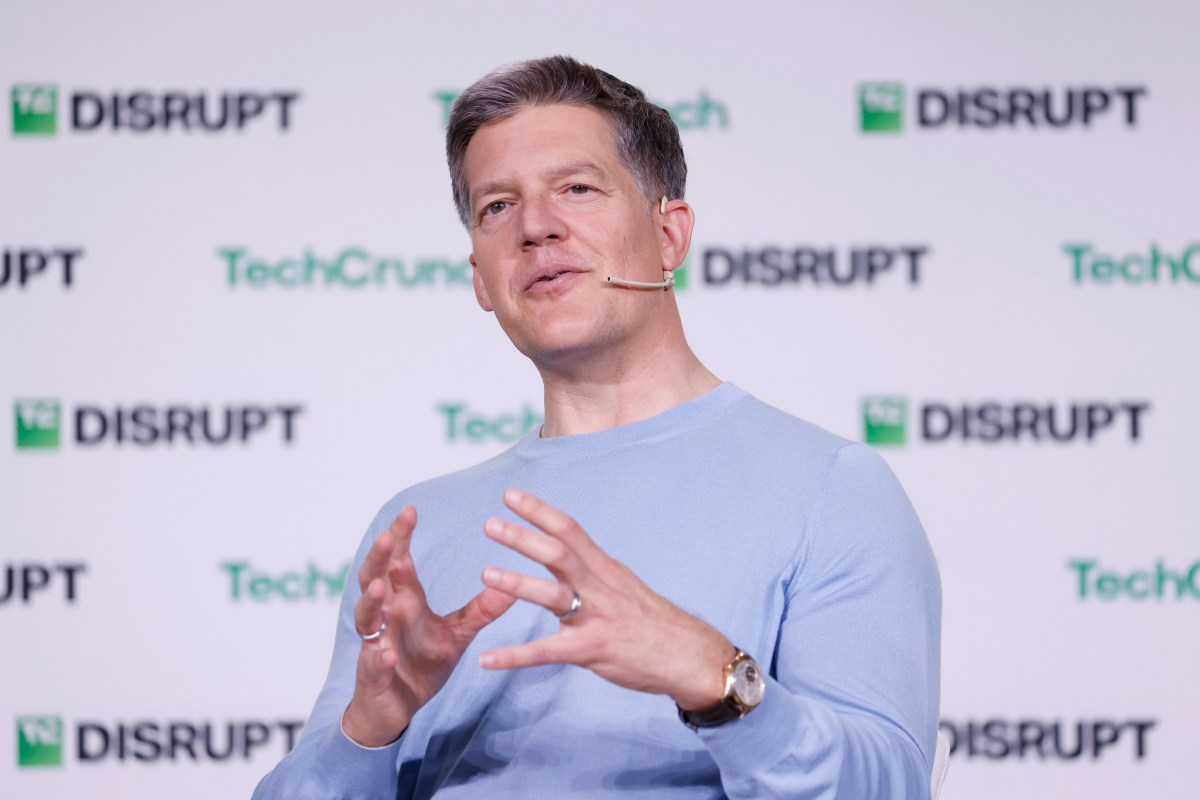
TechCrunch reported that Recursive’s outlay is $410 million, which represents most of the capital the company has raised so far. Richard Socher, Recursive’s CEO, told TechCrunch he expects this to be an early step rather than a ceiling for the company’s infrastructure spending.
“Likely going to be one of the smallest compute deals we’re going to sign in the next few years,” Socher told TechCrunch.
What is Recursive buying from Amazon?
Recursive is buying cloud computing capacity from AWS over multiple years. In plain terms, the company is paying Amazon for the computing resources needed to build, test and expand its AI systems without owning all of the underlying infrastructure itself.
The agreement does not include an investment from Amazon, according to TechCrunch. That sets it apart from some AI infrastructure deals in which cloud providers also take financial stakes in AI labs or pair compute commitments with funding arrangements.
Still, AWS is treating the agreement as more than a standard customer contract. Jason Bennet, AWS vice president for startups and venture capital, told TechCrunch that part of the arrangement involves building infrastructure designed for companies pursuing this kind of AI work.
“Part of the agreement is that we’re going to co-develop infrastructure purpose-built for these types of company,” Bennet told TechCrunch.
Why self-improving AI needs so much compute
Recursive is focused on recursive self-improvement, often shortened to RSI. The idea is that AI systems could help improve themselves, potentially reducing the amount of human work needed to advance the technology.
TechCrunch noted that researchers and companies do not all define RSI the same way. Some see it as a possible turning point for faster AI progress, while others view self-improvement as a gradual range of capabilities rather than a single breakthrough.
Socher framed Recursive’s spending priorities around that automation-heavy model. He told TechCrunch that the company is putting more of its resources into compute instead of the kinds of costs that would usually go toward staffing and operations.
“For us, it’s less about headcount and more about agent count,” Socher said.
Recursive also wants to turn the research into products, not just lab demonstrations. Socher told TechCrunch that the company expects to show early usable examples within months, with tangible products that people can try around October.
The deal gives AWS a prominent role in supporting that effort. It also gives the market another data point on how AI infrastructure spending is spreading beyond the best-known labs and into newer companies trying to build at foundation-model scale.
This story draws on original reporting from TechCrunch.