Science wins EU approval for eye implant aimed at restoring vision
Science Corporation can begin selling PRIMA in Europe, giving the BCI startup its first commercial path while it develops longer-term brain-interface tech.
By Theo Nakamura · Staff Writer
· 3 min read
Science Corporation has cleared a key regulatory hurdle in Europe for PRIMA, an implanted eye device designed to restore some vision for people with age-related macular degeneration. For investors watching neurotech and medical devices, the approval matters because it gives the startup a near-term product to sell while its more ambitious brain-computer interface work remains in development.
The company said PRIMA received approval from Europe’s medical device regulator, allowing Science to begin selling the device in the region. Science also said the U.S. Food and Drug Administration gave PRIMA a designation that starts the path toward a faster regulatory review for treating two rare forms of blindness.
Age-related macular degeneration affects millions of people worldwide, according to TechCrunch. The condition damages light-sensitive cells at the back of the eye, which can make everyday tasks like reading or recognizing faces difficult.
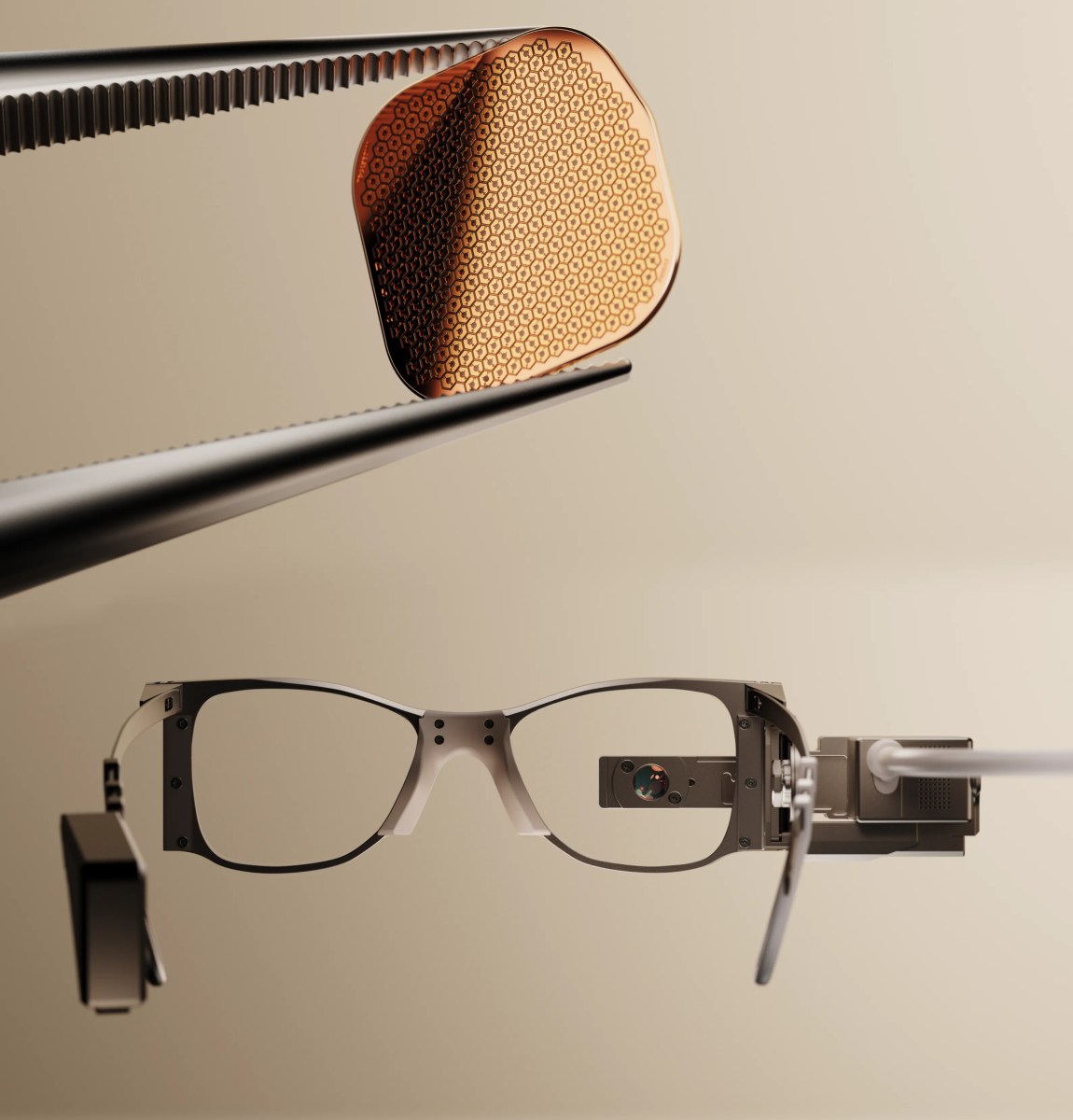
PRIMA is built to bypass part of that damage. Patients receive a small chip at the back of the eye during an outpatient procedure that takes about an hour, according to TechCrunch. They then wear glasses with a camera, which captures visual information and sends it to the chip. Max Hodak, Science’s founder and chief executive, told TechCrunch the system provides “functional vision” to people who have lost it.
Hodak said patients have used the technology for activities that include reading, drawing and puzzles. “One of our patients in France finished a 300-page novel a little while ago, and sent us the book,” he told TechCrunch. He also cited a patient’s sketch of the Sydney Opera House and videos of patients doing crosswords and Sudoku.
Why PRIMA matters for Science
Science is a brain-computer interface company, often shortened to BCI, which means technology that links computing systems with the nervous system. Hodak previously co-founded Neuralink and served as its president before leaving in 2021 to start Science.
Science’s longer-term plan includes a bio-hybrid brain sensor, a device that would combine silicon chips with living cells. The company is working with Dr. Murat Günel, chair of Yale Medical School’s Department of Neurosurgery, on procedures for human trials of a directly implanted version, according to TechCrunch.
Hodak has framed the vision business as the commercial foundation for those bigger projects. He told TechCrunch that the field needs a company generating $100 million in annual revenue, saying there is a risk the broader sector could cool if companies cannot build sustainable businesses.
Science did not invent PRIMA from scratch. After studying several options for restoring vision tied to damage in the eye’s light-detecting cells, the company acquired Pixium, the French company behind PRIMA, in 2024. Science then used its own internal platform to develop the documentation and product changes needed for regulatory approval and commercialization, according to TechCrunch.
Commercial rollout starts in Europe
The price will not be small. Each PRIMA device is expected to cost in the hundreds of thousands of dollars, TechCrunch reported. Science and its medical partners in Europe are discussing reimbursement with healthcare providers, which matters because coverage decisions can shape how quickly expensive medical devices reach patients.
Science is preparing to offer PRIMA first in Germany, where clinical trials took place. The first procedure could happen in September, according to TechCrunch.
The company also plans to keep updating the device. Science expects to improve PRIMA’s vision capabilities with a new chip and refine the glasses, which currently need a battery pack. Hodak compared the desired shape to Meta’s augmented-reality glasses, while noting that PRIMA requires more power and computing capacity.
This story draws on original reporting from TechCrunch.