SpaceX Starlink V3 launch succeeds as booster fails in Gulf test
SpaceX deployed its first third-generation Starlink satellites, but another Super Heavy booster failure weighed on shares after hours.
By Jordan Bell · Startups & Deals Reporter
· 3 min read
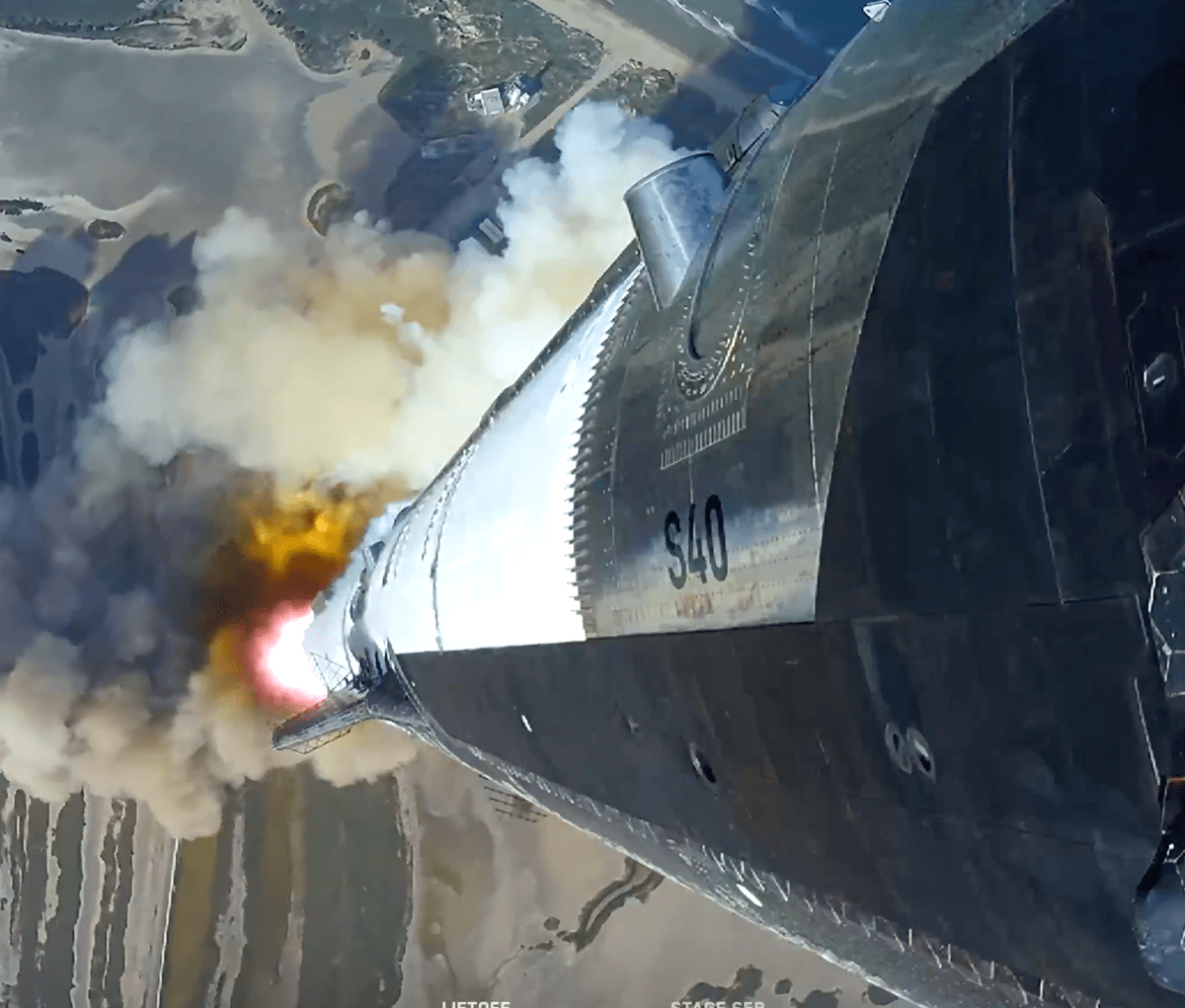
SpaceX completed a SpaceX Starlink V3 launch on Friday, deploying its first third-generation Starlink satellites from an upgraded Starship prototype, TechCrunch reported. For investors watching the newly public company, the win came with a familiar risk signal: the Super Heavy booster failed during a planned simulated landing in the Gulf of Mexico.
The flight was Starship’s 13th test launch, according to TechCrunch, and the second using the V3 version of the vehicle. Starship is SpaceX’s large reusable rocket system. The Super Heavy booster is the lower section that provides the first big push off the launchpad, while the upper stage continues the mission after separation.
Friday’s mission followed an earlier attempt a little more than a week before that SpaceX stopped right after ignition because of multiple rocket engine failures, TechCrunch reported. SpaceX said it swapped out six engines before the latest flight to address that problem.
What happened to the SpaceX booster?
The Super Heavy booster got farther into the test plan than it did on the first V3 Starship flight in May, TechCrunch reported, but it did not correctly restart all the engines needed for its simulated landing burn. A landing burn is the engine firing meant to slow a booster before touchdown or splashdown.
The booster hit the water faster than planned and exploded, according to TechCrunch. The test was meant to simulate a landing in the Gulf of Mexico rather than recover the booster.
The failure marks another issue for the Super Heavy booster on the V3 Starship program. During the first V3 flight in May, SpaceX had a booster failure as the Super Heavy separated from the Starship upper stage, TechCrunch reported.
How did the Starship upper stage perform?
The upper stage had a cleaner run on Friday than it did in May, according to TechCrunch. On the first V3 flight, the upper stage lost one rocket engine. On Friday, TechCrunch reported that Starship did not encounter issues on its path to deploying the new Starlink satellites.
The satellites are not expected to stay in space for long. TechCrunch reported that the new Starlinks are expected to burn up in the atmosphere about 20 minutes after deployment because Starship is still not able to reach Earth orbit.
Why investors were watching the test
The launch was SpaceX’s first Starship flight since the company went public in June in what TechCrunch described as the largest IPO in history. An IPO, or initial public offering, is the process of selling shares to public investors for the first time.
TechCrunch reported that SpaceX shares had already been under pressure since the IPO, falling from a peak above $200 to $115 at Friday’s close. After the booster failure, the stock declined another 2% in after-hours trading before trimming part of that drop, according to TechCrunch.
SpaceX’s Starship program is built around a test-and-improve model, and Friday’s flight showed both sides of that approach. The company deployed the new satellites and avoided a repeat upper-stage engine loss, while the booster’s landing sequence remained an unresolved problem.
This story draws on original reporting from TechCrunch.