Tesla adds Florida robotaxi pilots before earnings
Tesla is testing unsupervised Model Y robotaxis in Orlando and Tampa as investors wait for details on its slower-than-promised rollout.
By Jordan Bell · Startups & Deals Reporter
· 3 min read
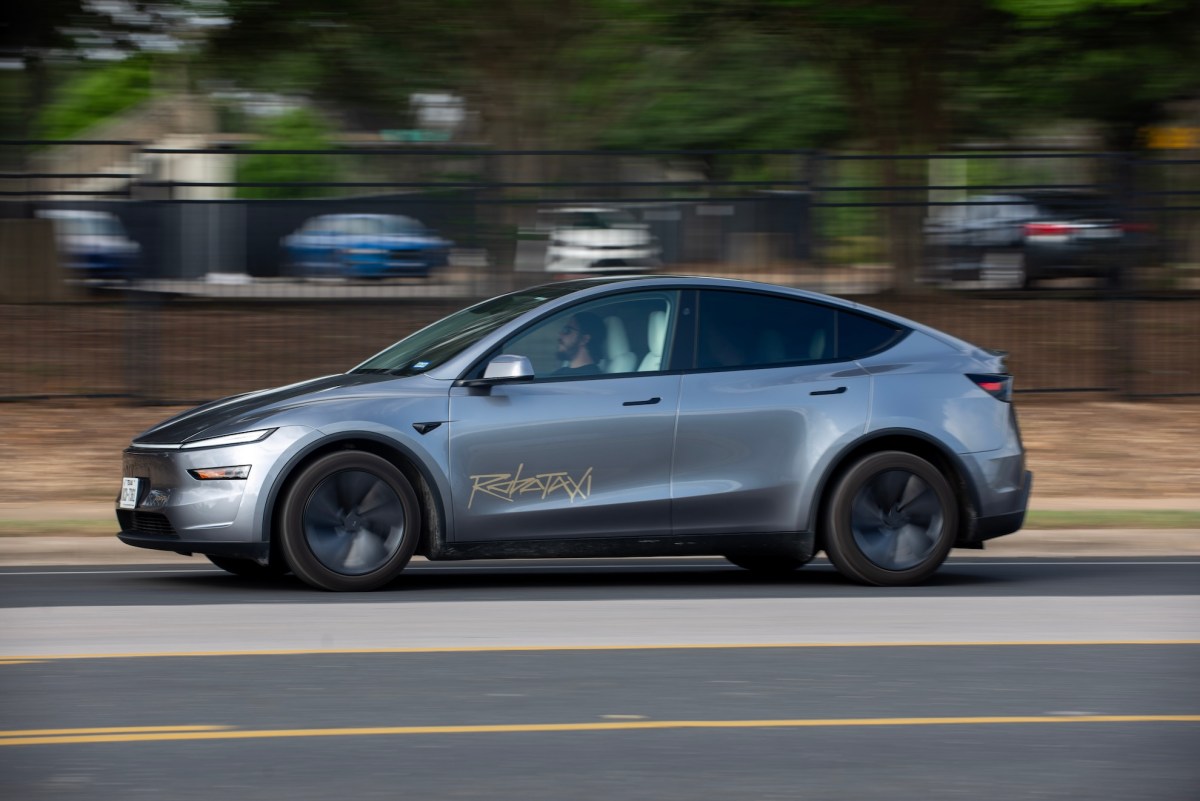
Tesla has put an unspecified number of unsupervised Model Y SUVs into robotaxi pilots in Orlando and Tampa, according to TechCrunch. For investors, the timing is hard to miss: the expansion came one day before Tesla’s scheduled second-quarter earnings call, when the company’s autonomous-driving plans are likely to draw fresh scrutiny.
A robotaxi is a ride-hailing vehicle meant to operate without a human driver. TechCrunch reported that Orlando and Tampa are now the second and third Florida markets where Tesla is trying the service, after a small Miami launch a few weeks earlier.
Tesla did not say how many vehicles are operating in either new city, TechCrunch reported. The company also did not provide more details about the pilots. TechCrunch noted that Tesla shut down its press office years ago, limiting the usual channels for follow-up questions.
The early service areas in Orlando and Tampa appear to be small, based on a post from Tesla’s robotaxi account on X cited by TechCrunch. A service area is the part of a city where the vehicles can accept trips, and smaller zones usually mean a company is testing cautiously before widening access.
Why the rollout is under the microscope
Tesla’s robotaxi story has become a key part of the company’s pitch to shareholders. The business case is straightforward: if Tesla can safely run vehicles without paid drivers, each car could theoretically generate ride-hailing revenue when it is not being used by an owner or fleet operator. That is why the pace and size of the rollout matter to investors watching Tesla’s future revenue opportunities.
TechCrunch reported that Tesla has moved more slowly than the company previously suggested it would. CEO Elon Musk had repeatedly said Tesla robotaxis would reach half of the U.S. population by the end of 2025, according to Electrek.
Earlier this year, Musk sounded more cautious on Tesla’s first-quarter earnings call, according to Reuters. TechCrunch also noted that Tesla announced autonomous fleets in Dallas and Houston before that first-quarter report, but has not meaningfully expanded those operations.
The Florida pilots therefore add activity, but they do not yet answer the bigger investor questions: how many vehicles are operating, how broad the service areas are, how often the vehicles are taking rides, and when Tesla expects a broader commercial rollout. None of those details were provided in TechCrunch’s report.
A possible regulatory boost
Tesla could benefit from a federal rule change proposed last month by the Department of Transportation, TechCrunch reported. The proposal would remove the requirement that cars designed to be autonomous include brake pedals.
If adopted, that change could help Tesla deploy its two-seat Cybercab design, according to TechCrunch. The company has been staging dozens of Cybercabs in cities across the country, TechCrunch reported.
For now, the confirmed news is narrower: Tesla has added Orlando and Tampa to its small but growing list of robotaxi test markets. The earnings call may show whether management gives investors more detail on how fast that list can turn into a larger business.
This story draws on original reporting from TechCrunch.