Tesla pushes back Cybercab, Semi and Megapack scale-up as costs rise
Tesla’s second-quarter sales climbed 26%, but profit and cash flow weakened as the company spent more on future products.
By Theo Nakamura · Staff Writer
· 3 min read
Tesla told shareholders Wednesday that three closely watched products, the Cybercab, Tesla Semi and Megapack 3, are no longer expected to reach volume production in 2026. For investors, the update puts a sharper focus on Tesla’s spending: revenue is growing again, but the company is using more cash to build the next version of the business.
In its second-quarter shareholder letter, Tesla said it is working to expand battery output, especially for its 4680 cell, so it can manufacture the Cybercab and Semi at scale. Volume production means manufacturing at a meaningful, repeatable pace rather than building early units or limited batches.
Tesla did not give a reason for delaying volume production of the Megapack 3, its commercial energy storage product. The company also removed language from its first-quarter letter that had pointed to volume production for Optimus, its humanoid robot.
Sales improved, but costs grew faster
Tesla reported second-quarter revenue of $28.2 billion, up 26% from $22.5 billion in the same quarter of 2025. Revenue also rose from $22.38 billion in the first quarter.
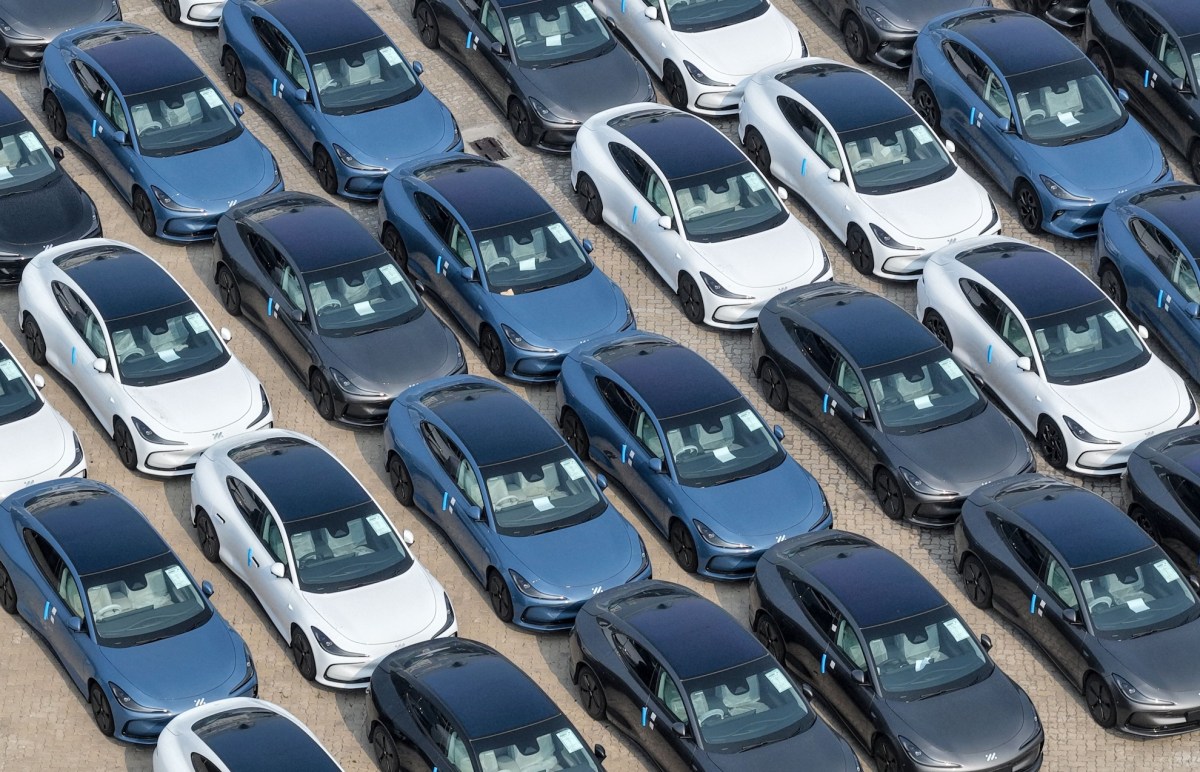
Most of that money still came from cars. Tesla said automotive revenue reached $20.5 billion, compared with $16.6 billion a year earlier. The company delivered more than 480,000 vehicles in the quarter, up by more than 120,000 from the first quarter and its strongest delivery result since the third quarter of last year, when deliveries were nearly 500,000.
Energy also helped. Tesla said sales from energy storage and solar rose 13% to $3.1 billion. Subscriptions to Full Self-Driving (Supervised), Tesla’s paid advanced driver-assistance system, reached 1.48 million, up 56% from a year earlier, according to the company.
The stronger top line did not flow cleanly to the bottom line. Tesla reported net income of $1.1 billion, down 5% year over year. Operating expenses rose 47% to $4.3 billion. Operating income, which measures profit from the company’s core business before certain items such as interest and taxes, fell 57% to $398 million from $932 million a year earlier.
Tesla also reported negative free cash flow of $1 billion. Free cash flow is the cash left after a company pays for operations and capital expenditures, which are long-term investments such as factories, equipment and production lines. Tesla had generated $1.44 billion in positive free cash flow in the previous quarter and $146 million in the same quarter last year.
The AI and robotics shift is still costly
The spending jump comes as Tesla tries to broaden its identity beyond electric vehicles, solar and energy storage. A year ago, the company described the second quarter of 2025 as a turning point in its move toward AI, robotics and related services.
That transition remains in progress. Tesla said it has started building the first production Cybercabs at its Austin, Texas factory, while manufacturing lines for the Semi and Optimus are still being built out. The company had said in January that the Cybercab, Semi and Megapack 3 would reach volume production this year.
Tesla also ended production of the Model S sedan and Model X SUV at its Fremont, California plant this spring to make room for Optimus, according to the company. It is bringing its Robotaxi service to more cities with a limited number of vehicles and continues to push Full Self-Driving (Supervised) as it works toward a system that would not need human driving input.
This story draws on original reporting from TechCrunch.