Tesla door handle rules move onto NHTSA agenda after safety complaints
NHTSA is starting rulemaking on vehicle exit safety after complaints tied to Tesla-style electronic door handles.
By Jordan Bell · Startups & Deals Reporter
· 3 min read
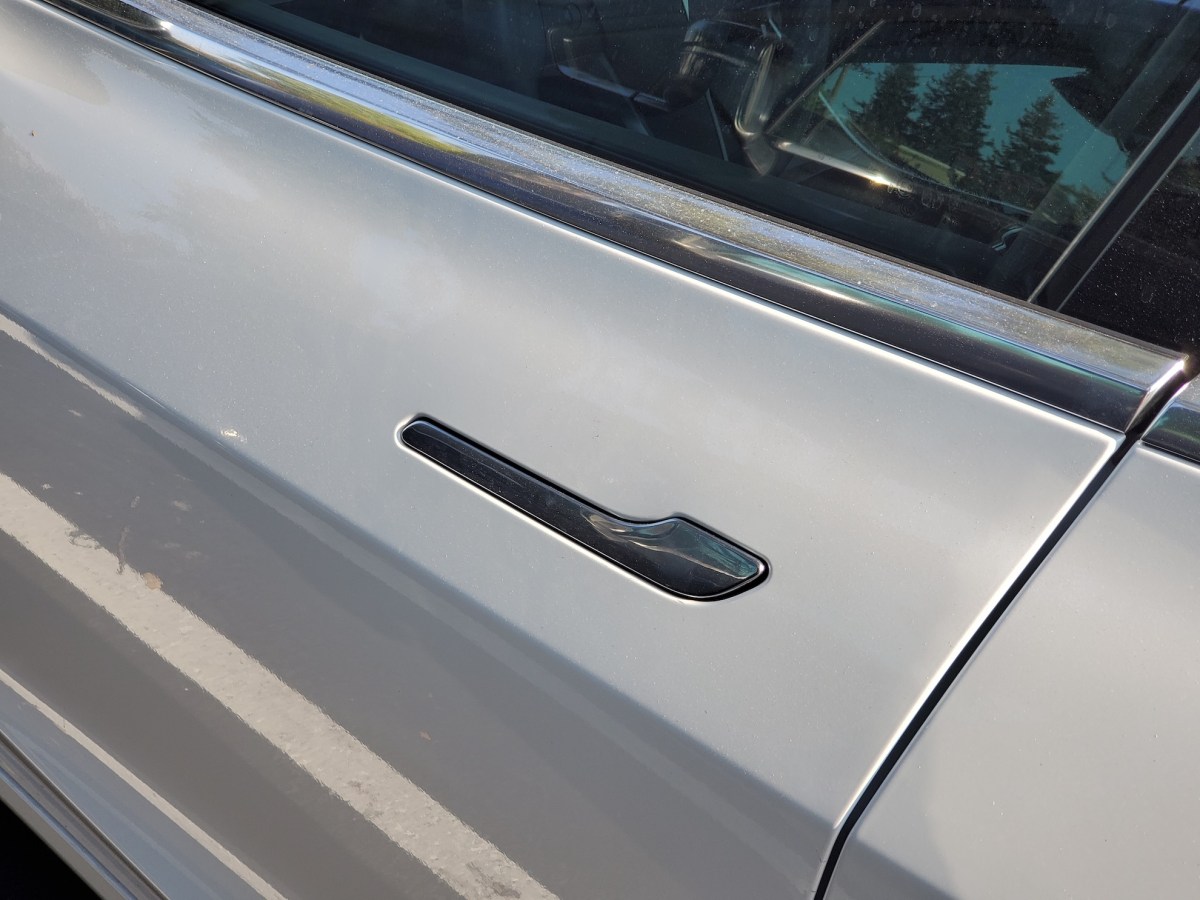
Tesla door handle rules are moving onto the federal safety agenda, a development that matters for drivers and for investors watching how design choices can turn into regulatory risk. The National Highway Traffic Safety Administration said in a regulatory filing that it will start a rulemaking process aimed at making sure people can get out of vehicles safely.
The move follows incidents involving people who became stuck inside vehicles with flat, electronically powered door handles, including fatal cases, according to TechCrunch. Bloomberg first reported the rulemaking.
NHTSA’s action came in response to a petition focused on the emergency mechanical door release design in 2022 Tesla Model 3 vehicles. The petition asked the agency to open a safety defect investigation and argued that the design did not meet federal motor vehicle safety standards.
The agency declined to take the exact step requested by the petitioners. NHTSA said the issue was better handled through rulemaking, which is the process regulators use to write or change safety standards, rather than through a defect investigation into a specific vehicle design.
Will NHTSA make new Tesla door handle rules?
NHTSA has started the process, but that does not guarantee a final regulation. The agency said that beginning rulemaking does not mean new requirements will necessarily be adopted.
If the agency does issue new standards, they would apply across the auto industry, not only to Tesla. That means other automakers using electronic door releases or similar designs would also need to comply with any final rules.
The safety concern centers on how people open a vehicle door when the normal electronic system is unavailable. A mechanical release is a physical backup that can open a door without relying on powered locks or electronic buttons.
Tesla vehicles have manual releases inside the cabin, according to TechCrunch. In an initial review, NHTSA investigators found that the door handles may fail to operate if the electronic door locks do not receive enough voltage from the vehicle’s battery system.
The rulemaking comes after NHTSA opened a separate investigation into Tesla door handles less than a year earlier. That probe followed nine reports from owners who said they could not get into their vehicles, in some cases while children were still inside, according to TechCrunch.
Bloomberg also investigated incidents in which Tesla occupants were trapped in vehicles after crashes. Those reports added scrutiny to the way electronic doors and emergency releases work when a vehicle loses power or is damaged.
Tesla has already signaled that changes may be coming. Franz von Holzhausen, a Tesla designer, said last year that the company was working on a door-handle redesign, according to TechCrunch.
Other electric-vehicle makers are also adjusting designs. Rivian said last year it was changing the interior door handle on its R2 SUV so the manual release would be easier to see and placed nearer to the powered door handles, according to TechCrunch.
For Tesla, the immediate takeaway is regulatory attention rather than a final mandate. For the broader EV market, the issue shows how sleek design, software-controlled hardware and backup safety systems are becoming part of the same conversation.
This story draws on original reporting from TechCrunch.