Tesla robotaxi miles fell 36% in the second quarter
Tesla’s paid robotaxi miles dropped in Q2 even as the service expanded, raising new questions about how fast autonomy can scale.
By Theo Nakamura · Staff Writer
· 3 min read
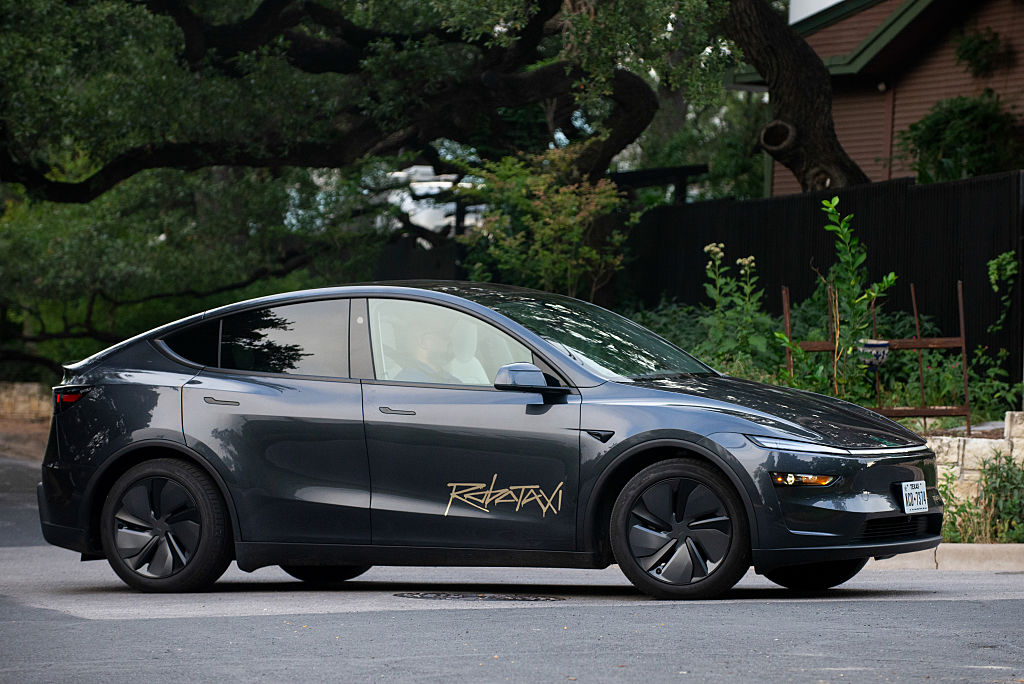
Tesla robotaxi miles for paying riders fell sharply in the second quarter, according to figures Tesla released in its Q2 2026 update. For investors, the decline cuts against one of Tesla’s biggest growth stories: that autonomous ride-hailing can become a major cash generator beyond selling cars.
A chart in Tesla’s Wednesday update shows cumulative paid Robotaxi miles from August 2025 through June 2026. TechCrunch reported that when those cumulative figures are separated by quarter, Tesla’s Model Y robotaxis drove about 1.1 million paid miles in the first quarter and roughly 700,000 in the second quarter, a drop of about 36%.
The slowdown came while Tesla widened the service to six cities in Texas and Florida, using both supervised and unsupervised vehicles. A supervised robotaxi still has a human safety operator involved, while an unsupervised vehicle operates without one onboard.
Tesla’s shares fell more than 13% in early trading Thursday after the company’s Wednesday results showed weaker profits in its main businesses and missed Wall Street expectations, according to the reported figures. That makes the robotaxi update more than a side note: Tesla has spent years asking investors to value it partly on future autonomy revenue.
Why did Tesla robotaxi miles fall?
Tesla did not give a direct explanation for the quarter-to-quarter drop in paid miles. On the company’s earnings call, CEO Elon Musk and other executives said Tesla is moving carefully because it wants to prove the service is safe before scaling more broadly.
Musk said Tesla needs to collect driving data specific to Cybercab, the company’s gold, purpose-built two-seat autonomous vehicle, before putting many of them into service. He said Tesla has millions of Model 3 and Model Y vehicles on roads, but lacks that same real-world base for Cybercab.
“We actually have to accumulate miles with Cybercabs that are retrofitted with steering wheels and acceleration and braking pedals,” Musk said on the call, adding that the work is needed to calibrate the vehicle’s chassis. He said Cybercab deployment in cities would rise “dramatically” once Tesla is confident in that data.
That comment marks a shift from Tesla’s long-running message that its large customer fleet has been gathering data to train autonomy systems, including the driver-assistance software Tesla calls Full Self-Driving. Full Self-Driving is Tesla’s paid driver-assistance package, but it still requires human supervision in consumer vehicles.
What Tesla says about safety
Musk said Tesla’s robotaxi goals remain ambitious, but added that the company must avoid accidents and harm. He also said a single injury involving a Tesla robotaxi would draw intense media attention and could prompt regulators to restrict the service.
Ashok Elluswamy, Tesla’s vice president of AI, said Tesla robotaxis have had “zero notable incidents” while driving more than 380,000 miles without a safety operator onboard. He did not define what Tesla counts as a notable incident.
Tesla has reported 22 crashes to the National Highway Traffic Safety Administration since it began trialing the robotaxi service, TechCrunch reported. Most involved other vehicles hitting Tesla robotaxis, but Tesla also reported three crashes caused by remote teleoperators moving vehicles and several low-speed contacts with objects including curbs, utility poles and a tow truck bed.
Tesla executives also defended the company’s camera-only autonomy strategy. Elluswamy said Tesla does not need lidar, radar or high-definition maps to deliver safe and affordable autonomy, contrasting its approach with companies such as Waymo that use additional sensors.
Musk and Elluswamy said growth is still coming. They said unsupervised miles have increased about 10% per week since Tesla began offering them late last year.
This story draws on original reporting from TechCrunch.