Uber and Waymo split over Washington robotaxi rules
A proposed D.C. autonomous vehicle bill has exposed a policy fight between Uber, Waymo, Tesla and other mobility companies.
By Jordan Bell · Startups & Deals Reporter
· 3 min read
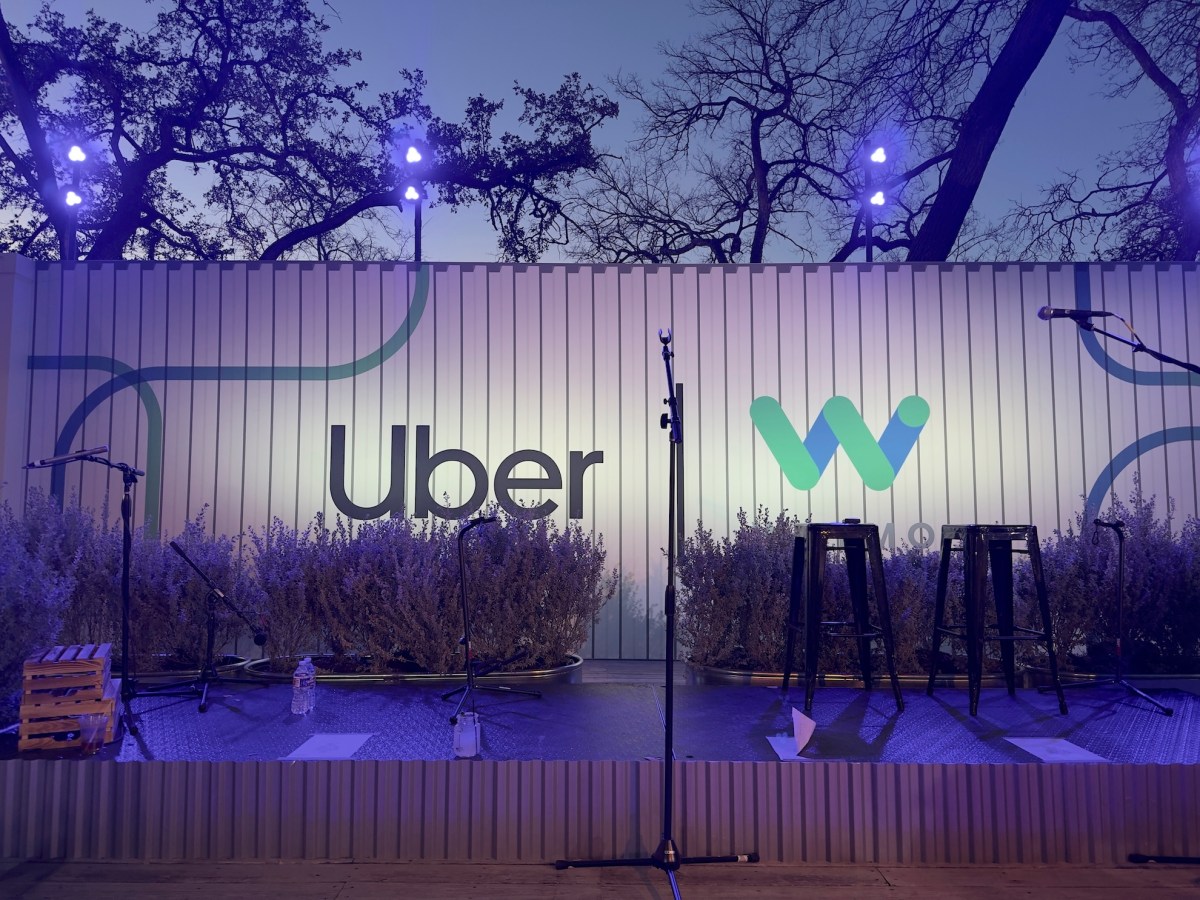
Washington, D.C.’s robotaxi rulebook is becoming a test case for how self-driving services may be allowed to grow in major U.S. cities. For investors watching Uber, Alphabet-owned Waymo, Tesla and Lyft, the fight matters because regulation can decide who gets to launch first, how much it costs, and which business model wins.
The D.C. Council is considering a bill that would permit autonomous vehicles, meaning vehicles that can drive themselves under certain conditions, to operate in the district. TechCrunch reported that Uber and Waymo have taken opposing positions on the proposal after reviewing correspondence Uber sent to the council and speaking with people familiar with the lobbying effort.
Uber opposes the bill, according to TechCrunch. The company has argued that the measure could push out human for-hire drivers and give Waymo a de facto monopoly, meaning Waymo could gain market power without an explicit exclusive license.
Uber has pushed a different framework: a “hybrid” model that would require robotaxis to run on a ride-hailing network together with human-driven cars, TechCrunch reported. In plain English, that would make self-driving vehicles part of the same app-based marketplace where riders are matched with available cars, rather than allowing an autonomous vehicle company to operate a fully separate service.
People familiar with the process told TechCrunch that Uber’s preferred approach has little chance of becoming law. If it did pass, TechCrunch reported, companies such as Waymo could face two unattractive options: place their robotaxis on ride-hailing apps like Uber, or keep human drivers in the mix while operating fleets built around autonomous technology.
The bill’s requirements favor companies already testing in D.C.
A D.C. Council hearing on Monday included representatives from Lyft, Tesla, Uber and Waymo, along with disability rights and accessibility advocates, local business and industry groups, highway safety organizations, government officials, labor unions and think tanks, according to TechCrunch.
Waymo appears to be among the few companies broadly supportive of the proposal, TechCrunch reported, citing public testimony and follow-up conversations. The reason is partly practical: Waymo has already been testing autonomous vehicles in Washington with human safety operators, and TechCrunch reported that it has exceeded the bill’s 180-day and 250,000-mile testing thresholds.
That could give Waymo a lead of at least six months if the bill became law as currently written, according to TechCrunch. A head start can matter in ride-hailing because early operations help a company map streets, train systems on local conditions, build rider habits and show regulators it can operate reliably.
Tesla raised concerns about several parts of the proposal. India Herdman, Tesla’s senior policy adviser, objected to the mandatory 180-day and 250,000-mile testing requirement, a $1 million application fee, a $5 million permit fee and a $0.15-per-mile tax, according to TechCrunch.
Tesla and other companies argued that autonomous miles driven in other places should count toward D.C.’s mileage requirement, TechCrunch reported. That point cuts to a central question for the industry: whether each city should require a fresh local proving period, or whether companies can use testing records from other markets to speed approvals.
The Washington debate lands as cities and states are under pressure to balance safety, accessibility, labor concerns and competition. For companies, the details are not paperwork. They can shape launch timing, operating costs and whether robotaxis develop as stand-alone networks or as another supply option inside existing ride-hailing apps.
This story draws on original reporting from TechCrunch.