U.S. signals sanctions risk for Chinese AI models over IP claims
Treasury Secretary Scott Bessent said Washington may scrutinize Chinese open AI models and sanction companies if intellectual property theft is found.
By Theo Nakamura · Staff Writer
· 3 min read
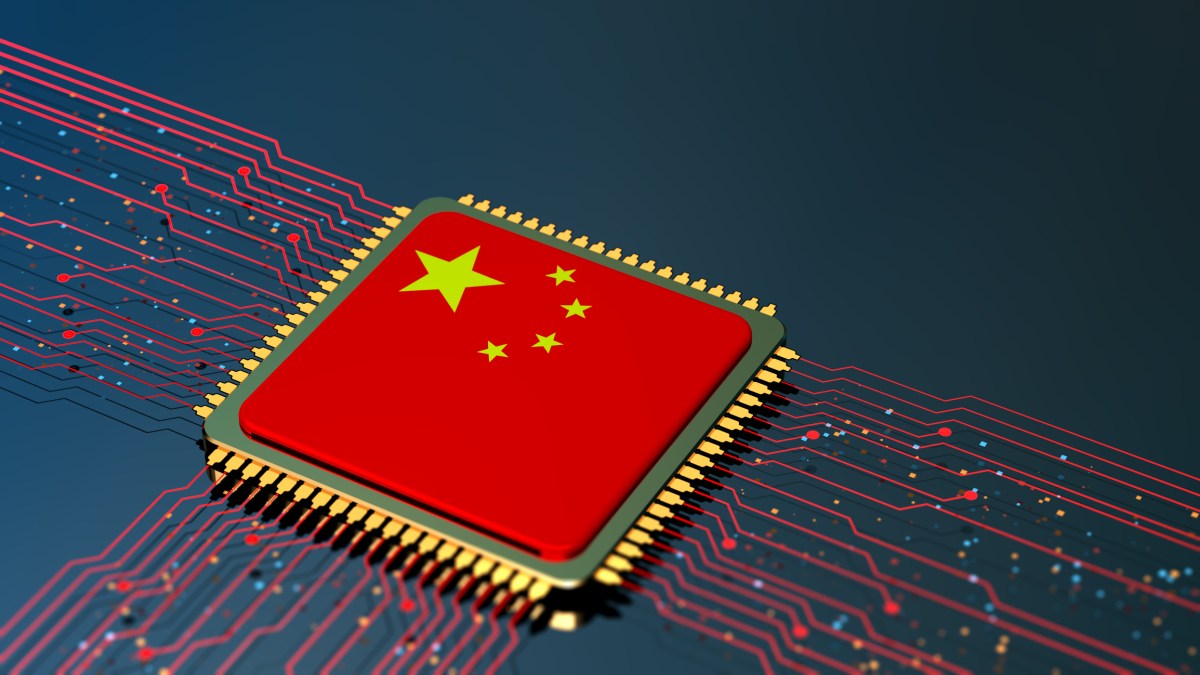
The U.S. is warning Chinese AI companies that their models could face sanctions if Washington concludes they used stolen intellectual property. For investors watching OpenAI, Anthropic, Microsoft and the broader AI trade, the move points to a new front in the U.S.-China tech fight: the model layer itself, not just the chips used to train it.
Treasury Secretary Scott Bessent said Tuesday on Fox Business that the U.S. would review open AI models from China for signs of IP theft. Bloomberg first reported his remarks.
Bessent said the Trump administration supports open models, a term generally used for AI systems made available for outside developers to use, study or adapt. He drew a line at using another company’s intellectual property without permission.
“This administration supports open source models, but what we do not support is IP theft,” Bessent said on Fox Business. He added that if overseas models are found to be stealing from U.S. companies, the government has the power to impose sanctions.
Why the policy threat matters
Sanctions are financial and trade restrictions that can limit a company’s access to U.S. markets, partners, technology or capital. If applied to AI model developers, they could affect how Chinese models are distributed, hosted or used by companies with U.S. exposure.
The warning comes as Chinese AI systems gain traction. TechCrunch reported that Moonshot AI’s Kimi K3 is among the recent Chinese models drawing attention for improving capabilities and popularity. That puts pressure on American AI labs such as OpenAI and Anthropic, whose business models depend on charging for access to advanced systems and raising capital to keep building more expensive frontier models.
Axios reported Monday that the Trump administration is considering a broad ban on Chinese open source models. That report has been disputed publicly, according to TechCrunch.
Washington has already tried to slow China’s AI progress by restricting access to advanced chips and tightening export controls. Bessent’s remarks suggest the administration may also target the software output of AI labs, not only the hardware pipeline behind them.
The distillation debate
Part of the dispute centers on model distillation. OpenAI describes distillation as a method for transferring some capabilities from a larger AI model into a smaller model that is cheaper or easier to run.
Some AI companies have warned for months that foreign actors may copy their systems and release competing models openly. In April, the White House said it would work with AI companies to fight theft, according to TechCrunch.
There is no industry-wide agreement that distillation itself equals theft. Microsoft CEO Satya Nadella criticized large AI labs earlier this month for arguing they should have fair-use rights to train models on public data while also placing tight limits on distillation, according to Business Insider.
Legal risk around AI training remains active in the U.S. Anthropic this week received approval to begin paying authors under a $1.5 billion settlement after a judge found it had illegally downloaded and stored millions of copyrighted books to train its AI, TechCrunch reported.
Hugging Face CEO Clem Delangue also pushed back on the idea that distillation explains China’s progress. On TechCrunch’s Equity podcast, Delangue said distillation is a small factor in building strong models and is used by companies in the U.S. as well. He argued that China also has strong AI research teams and a more open, collaborative approach.
This story draws on original reporting from TechCrunch.