Zoox robotaxi service gets NHTSA exemption for paid rides
NHTSA granted Zoox a temporary exemption to charge for rides in its driverless vehicles, with fleet limits and extra oversight.
By Jordan Bell · Startups & Deals Reporter
· 3 min read
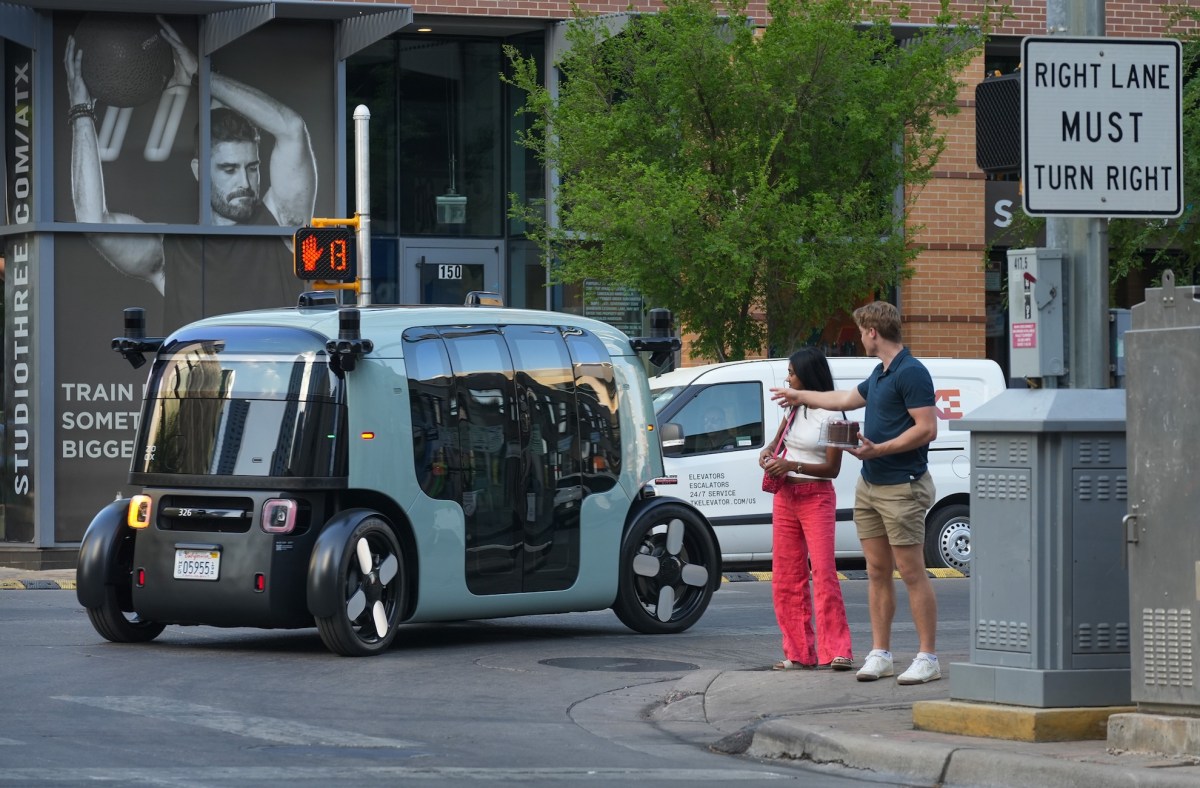
Zoox robotaxi service can move from free demonstrations to paid rides after the National Highway Traffic Safety Administration granted the Amazon-owned company a temporary safety exemption. For Amazon watchers and autonomous-vehicle investors, the decision is a key federal step in testing whether purpose-built driverless cars can become a commercial transportation business.
NHTSA announced the decision Thursday, and the action was also published in the Federal Register. The exemption covers certain federal motor vehicle safety standards, the rules that set baseline requirements for vehicles sold or used on U.S. roads.
Zoox’s vehicle is built around autonomous driving rather than a human driver. That design means it does not include traditional equipment such as a steering wheel or pedals, which creates a mismatch with regulations written for conventional cars. NHTSA said the exemption applies to eight standards, including requirements tied to windshield defrosting and light vehicle braking systems.
What did regulators approve for Zoox?
NHTSA’s new approval allows Zoox to charge riders for trips in its custom-built robotaxi. A robotaxi is an autonomous ride-hailing vehicle that carries passengers without a human driver operating the car.
The move builds on an earlier NHTSA exemption issued nearly a year ago. That prior approval let Zoox operate demonstrations on public roads and carry passengers in cities including San Francisco and Las Vegas, but it did not allow the company to collect fares for those rides.
The commercial approval comes with limits. NHTSA capped Zoox’s commercial fleet at up to 2,500 vehicles per year for two years. The agency also said Zoox will face an “enhanced, adaptable oversight structure” intended to change as the company’s technology develops.
That oversight piece matters because autonomous vehicles are still moving through a patchwork of evolving federal and local rules. Exemptions let companies test or deploy vehicles that do not meet every existing requirement, but they also give regulators a way to set conditions while they gather data on newer designs.
NHTSA also changes its autonomous-vehicle review process
The Zoox decision came alongside several autonomous-vehicle announcements from NHTSA. The agency said it is updating its exemption process so automakers can temporarily sell limited numbers of vehicles that do not comply with all existing standards, mainly for testing new technologies.
NHTSA also said it is working with SAE Industry Technologies Consortia on a three-year, $5 million consortium. According to the agency, SAE will fund the effort, which is designed to collect data and speed work on autonomous-vehicle performance standards. NHTSA said the goal is a single national safety standard for autonomous vehicles.
NHTSA Administrator Jonathan Morrison said in a statement that the agency backs safe automated-vehicle development and deployment. He said NHTSA is trying to balance fewer unnecessary barriers, industry guidance, enforcement oversight and the creation of performance requirements.
The agency also said it is reviewing an exemption request from Los Angeles startup Robomart for a low-speed driverless vehicle. Robomart has developed an autonomous delivery vehicle that can carry up to 500 pounds of goods, according to NHTSA. The agency said it plans to publish a separate notice for public comment after its initial review is complete.
This story draws on original reporting from TechCrunch.