LeBron James says Nike needs community roots to regain its cool
Nike’s longtime signature athlete said the brand should reconnect with local communities as its stock and sales momentum remain under pressure.
By Maya Okafor · Markets Writer
· 3 min read
LeBron James says Nike needs to get closer to the communities that made the brand feel aspirational if it wants to rebuild its cultural edge. For everyday investors, that brand pull matters because it can influence demand, pricing power and whether retailers give Nike the shelf space that helps turn hype into revenue.
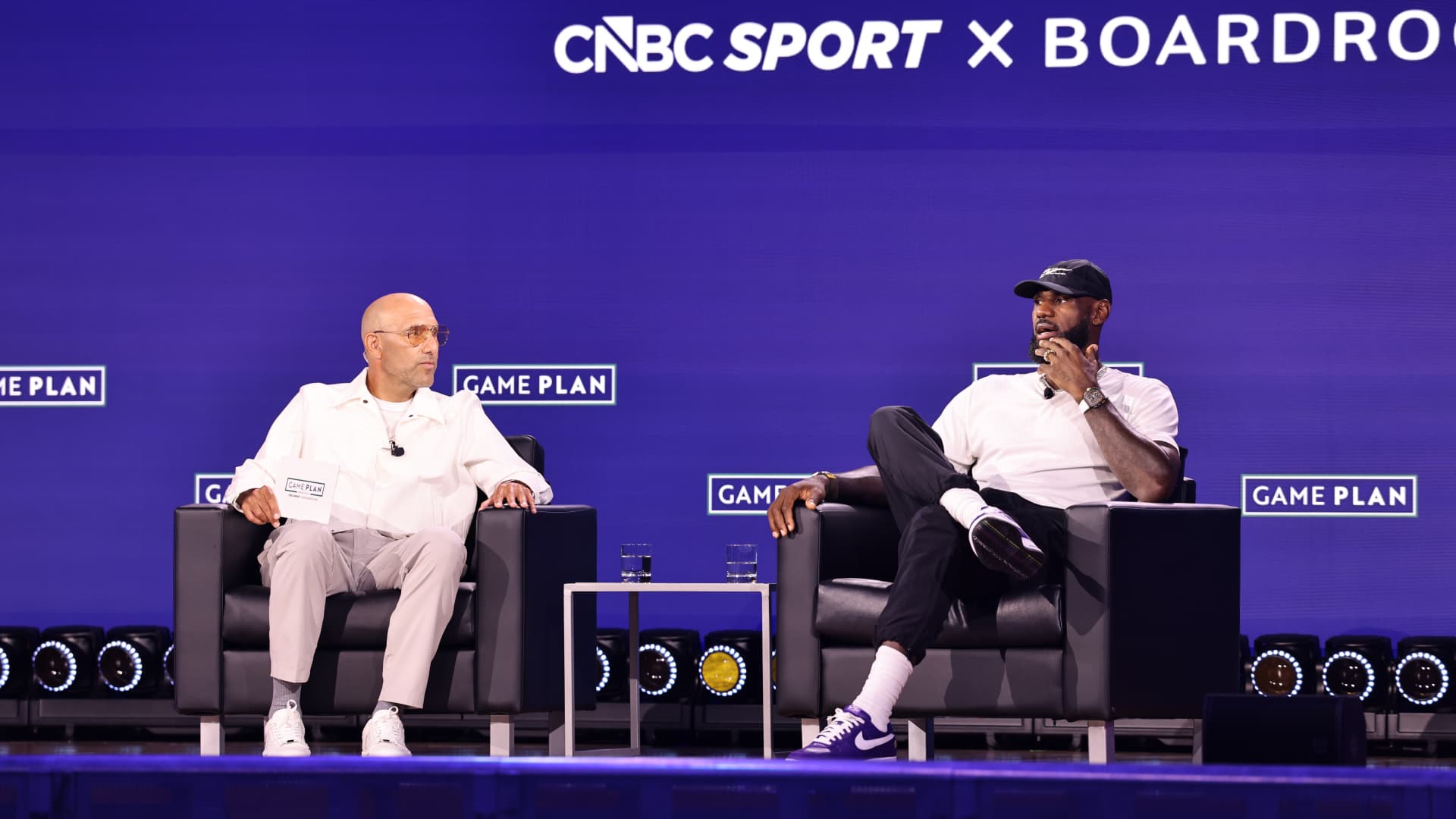
Speaking with Boardroom’s Rich Kleiman at the CNBC Sport x Boardroom Game Plan Summit in New York on July 16, 2026, James said Nike should return to “the roots” and spend more time listening to consumers in inner-city communities. He said that when he was growing up, Nike had people in neighborhoods asking what young consumers liked, disliked and felt about products.
James has one of the closest athlete relationships in Nike’s history. ESPN reported that he signed a seven-year, $90 million endorsement deal with Nike in 2003 before entering the NBA, still described by CNBC as the largest rookie shoe contract in basketball history. ESPN also reported that his 2015 lifetime agreement with Nike was the largest single-athlete guarantee in the company’s history. In 2021, Nike opened the LeBron James Innovation Center, a 700,000-square-foot sports science facility at its Beaverton, Oregon, headquarters.
James told Kleiman he feels a responsibility as a Nike athlete to make sure the brand is not “dwindling,” adding that wearing Nikes has long carried a “cool factor.” He pointed to athletes including Deion Sanders, Bo Jackson, Barry Sanders, Ken Griffey Jr. and Michael Jordan as examples of stars who helped make the brand feel culturally powerful when he was growing up.
Nike’s market performance has moved in the opposite direction. CNBC reported that Nike shares are down 30% in 2026 and have fallen more than 70% from their November 2021 high.
The company’s problems built after a pandemic-era strategy under former CEO John Donahoe focused heavily on direct selling and e-commerce. Direct selling means a brand sells through its own stores and websites instead of relying as much on wholesale partners such as outside retailers. CNBC reported that Nike’s pullback from wholesalers left room for newer rivals, including Hoka and On Running, to take market share.
Donahoe also led a restructuring plan intended to cut costs and reduce the workforce so Nike could invest in growth areas, according to CNBC. The effort did not deliver the turnaround investors wanted. In October 2024, Elliott Hill, a Nike veteran of more than three decades, returned from retirement to become CEO with a plan to refocus the company on innovation and rebuild trust with consumers and athletes.
Hill told CNBC in October 2025 that his first-day message centered on Nike being both “a sport company” and “a growth company.” Nike’s latest quarter showed some progress, with the company beating Wall Street expectations and increasing revenue in North America, according to Nike’s investor release. Sales in Greater China and other international markets continued to decline.
On Nike’s earnings call, Hill said the company was not yet reaching its potential, especially in Nike sportswear and Jordan streetwear. He said “sell-through,” meaning how quickly products sell to consumers after reaching stores, remained challenged and was affecting discounting and future orders.
Other sports business figures have raised similar questions. Fanatics founder and CEO Michael Rubin said at the same summit that building what Nike has built is “nearly impossible,” while adding that being both large and cool is difficult. UBS analyst Jay Sole wrote in an April note that Nike’s past strength came partly from looking like the top sports brand while also selling many everyday products, and questioned whether basketball can still refresh the brand’s image with U.S. consumers in the same way.
James’ answer was more direct: Nike, he said, cannot lose its cool because people want to feel that way when they leave the house.
This story draws on original reporting from CNBC.