SEC may join CFTC in policing fast-growing prediction markets
Prediction markets are drawing fresh scrutiny as regulators weigh whether some event contracts should fall under SEC oversight.
By Dev Ramirez · Crypto Correspondent
· 4 min read
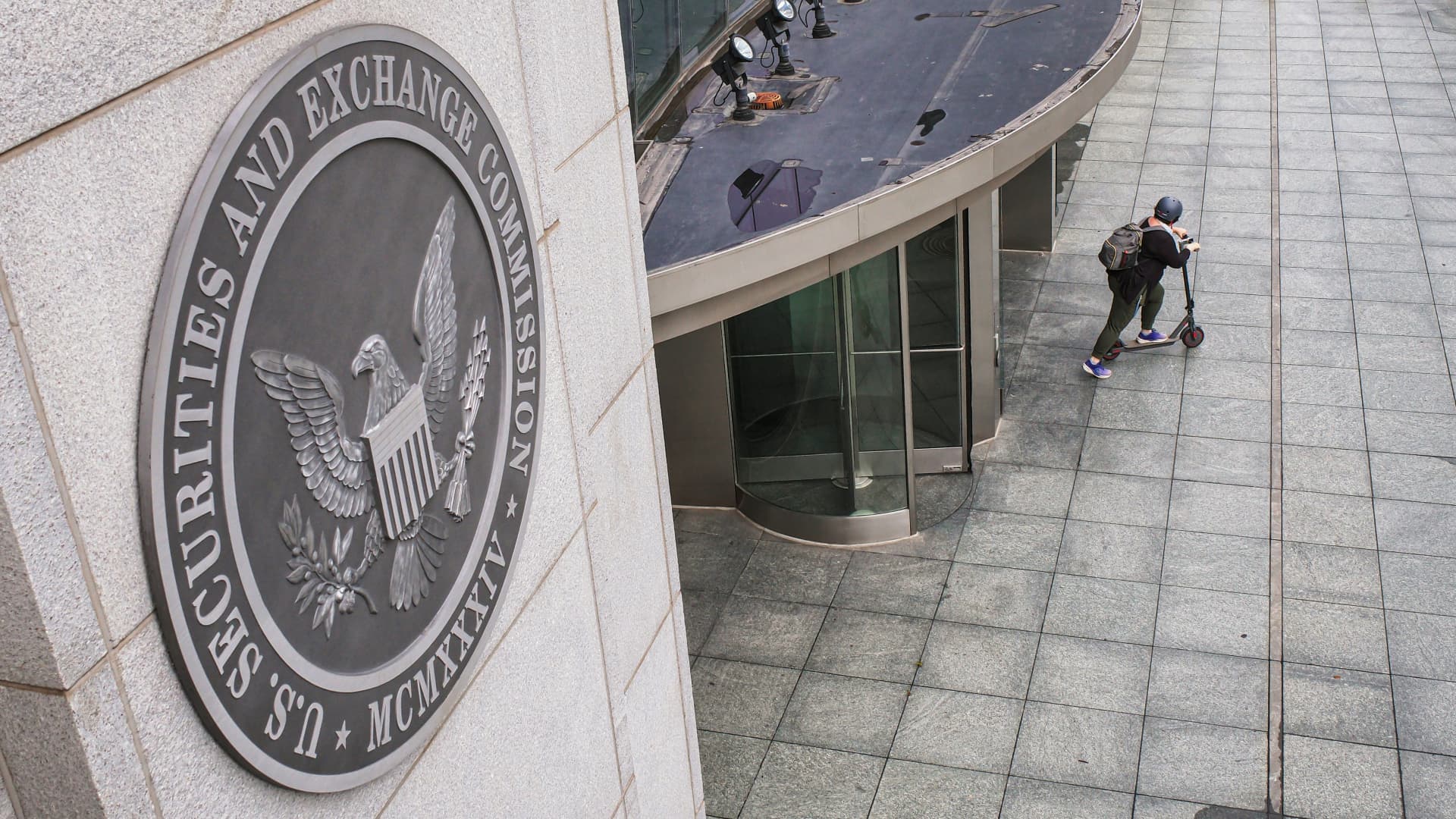
Prediction markets are getting bigger, and the rulebook may be about to get more complicated for platforms and traders. Legal experts told CNBC the Securities and Exchange Commission could soon have a role in overseeing some event contracts, even though the Commodity Futures Trading Commission has long been the main federal watchdog for the sector.
Prediction markets let users trade contracts tied to whether a future event happens. Those contracts are generally treated as swaps, a type of derivative whose value depends on something else, such as an election result, a sports outcome or a market event.
The CFTC has overseen event-contract exchanges for more than three decades, CNBC reported, dating back to a 1992 ruling involving the Iowa Electronic Markets, which is widely viewed as the first prediction market. But the boom in new products has raised a harder question: when does a prediction contract become close enough to a security that the SEC should be involved?
Why the SEC could enter the picture
The issue is tied to the 2010 Dodd-Frank law. Under that law, the CFTC generally regulates swaps, while the SEC oversees security-based swaps. A security-based swap is a contract connected to a single security, such as one company’s stock.
Joe Zales, a partner at King and Spalding, told CNBC that the CFTC has said it has jurisdiction over event contracts, but some products appear closer to the SEC’s area.
A contract asking whether Nvidia shares will finish a month up more than 5% would have a direct link to a public stock, according to legal experts cited by CNBC. Other examples are less clear. Sarah Razaq Sallis, a partner at Husch Blackwell, told CNBC that the meaning of whether a contract “directly affects” a company’s financial statements or condition remains unsettled.
That matters for contracts tied to corporate events. CNBC cited the example of a market on when Apple will release a new iPhone. Such a contract would not directly track Apple’s stock price, but the product launch could affect investor expectations for the company.
The SEC and CFTC have already asked the public for input. CNBC reported that the agencies issued a joint request last month seeking comment on how to update, clarify and align definitions involving swaps, including the treatment of “novel or emerging products.”
Platforms and exchanges are watching closely
Polymarket confirmed to CNBC that it has spoken with both the CFTC and SEC about how prediction-market products should be defined. Kalshi, a rival platform, declined to say whether it had discussed the issue with the agencies, according to CNBC.
Some firms are already looking to the SEC framework. CBOE has filed to operate under SEC oversight for binary options contracts tied to key performance indicators at major companies, CNBC reported. Binary options are contracts with two possible outcomes, such as yes or no.
Jeff Le Riche, a Husch Blackwell partner and former CFTC chief trial attorney, called the jurisdictional question a “jump ball” in comments to CNBC, saying nobody knows how it will be resolved.
The agencies have split duties before. In options markets, CNBC reported, the CFTC regulates options based on futures contracts, while the SEC regulates options tied to securities. The relationship has also been tense at times, including over cryptocurrency oversight.
In March, the SEC and CFTC announced a memorandum of understanding to set clearer definitions and jurisdictional boundaries, coordinate oversight and share more data, CNBC reported. Aaron Klein, a senior fellow at the Brookings Institution, told CNBC the current political makeup of the agencies may make cooperation easier. CNBC reported that the SEC currently has three seated commissioners, all Republicans, while Republican CFTC Chairman Michael Selig is the only sitting member of that typically five-person commission.
What it could mean for traders
Legal experts broadly told CNBC they expect the SEC to play a supporting role while the CFTC remains the primary regulator. Peter Chan, a Baker McKenzie partner and former SEC employee, told CNBC clearer definitions would benefit prediction markets if the agencies avoid overlapping demands.
Polymarket’s spokesperson told CNBC the company is concerned that duplicative or conflicting compliance requirements could hurt innovation, while saying it is encouraged by the agencies’ effort to work together.
Troy Dixon, co-head of global markets at TradeWeb Markets, told CNBC that clarity from both agencies is important for institutions considering prediction-market trading. TradeWeb has a partnership with Kalshi.
Zales told CNBC SEC involvement could bring stronger trader protections, including a more involved account-opening process. Chan cautioned that regulators should take time to understand the products before moving too quickly on new rules.
CNBC disclosed that it has a commercial relationship with Kalshi that includes customer acquisition and a minority investment.
This story draws on original reporting from CNBC.


