Texas leads CNBC’s 2026 workforce ranking as skilled labor stays key
CNBC ranked Texas No. 1 for workforce strength, with Florida and North Carolina close behind in a labor market still shaped by skills gaps.
By Maya Okafor · Markets Writer
· 3 min read
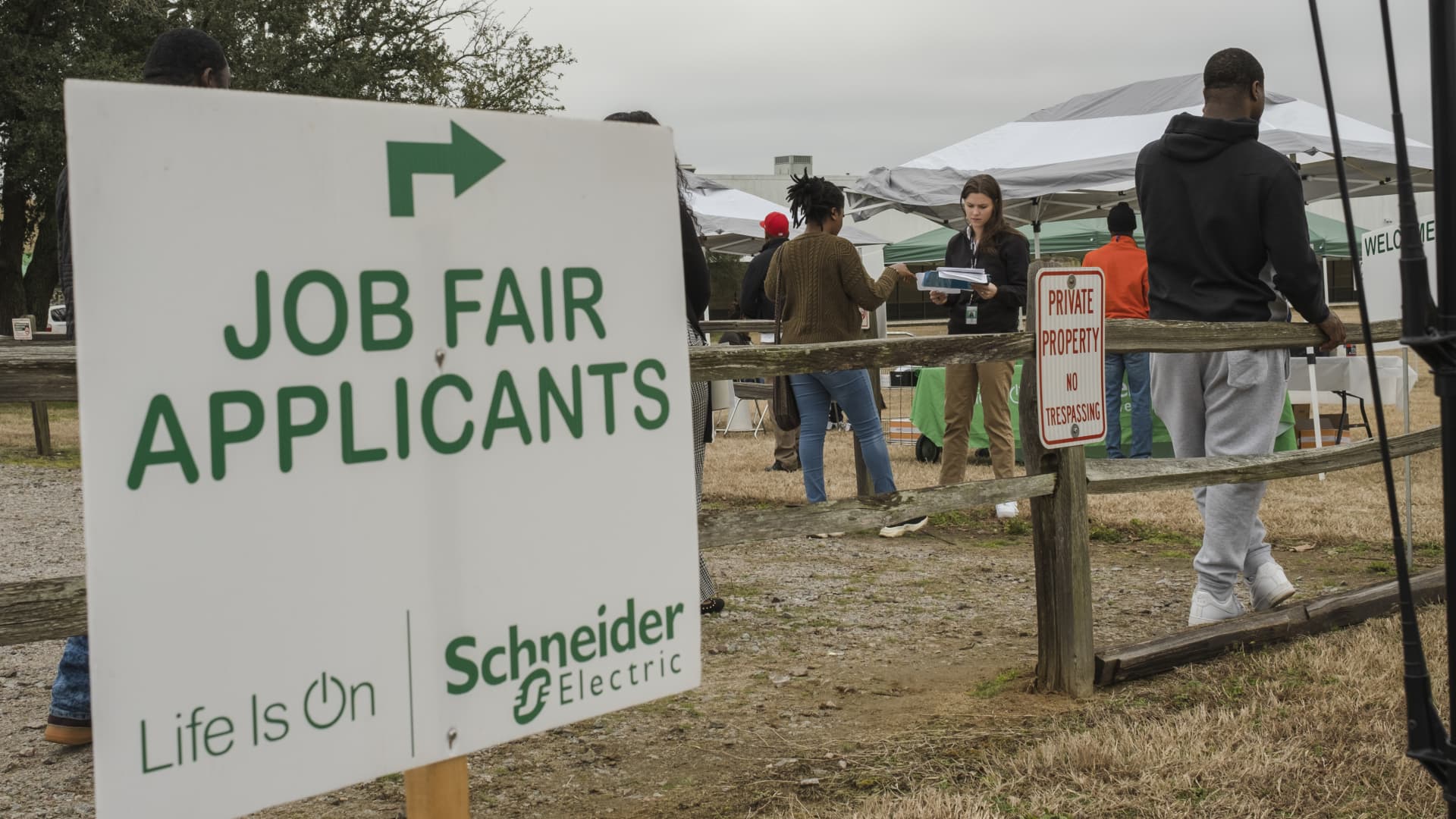
Texas ranked first in CNBC’s 2026 Workforce category, a key piece of the network’s annual America’s Top States for Business study. For everyday investors, the ranking is a useful read on where companies may find the people they need to expand factories, offices and tech operations.
CNBC said worker shortages have cooled from the severe post-pandemic period, when job openings far exceeded available workers. Still, the network reported that companies continue to prize states with large pools of skilled employees, especially as artificial intelligence tools help with some tasks but do not erase hiring needs.
Larry Gigerich, executive managing director of Ginovus and chairman of the Site Selectors Guild, told CNBC that talent remains the top factor in site selection. He also said employers still face a mismatch between the workers available and the skills or quality they need.
CNBC’s Workforce category accounted for 13.8% of each state’s overall score in the 2026 study. The network said it measured worker migration, especially among adults with bachelor’s degrees; education levels; science, technology, engineering and math employment; career and technical education pipelines; training-program job placement; productivity; and right-to-work status. A right-to-work state is one where workers cannot be required to join a union as a condition of employment, according to CNBC’s methodology.
Texas earned 276 out of 345 points and an A+ grade in the category. CNBC said the state topped Lightcast’s Talent Attraction Scorecard and had 104 available workers for every 100 open jobs. Texas also had 21.5% of workers with at least a bachelor’s degree, 7.1% in STEM jobs and the nation’s largest pipeline of high school career and vocational concentrators, according to CNBC. Gov. Greg Abbott also announced $4.7 million in workforce-development grants for community colleges, CNBC reported.
Florida placed second with 269 points and an A+ grade. CNBC said Florida led the country in net migration of college-educated adults, with nearly 268,000 moving in last year and about half that number leaving. The state also produced more than 175,000 associate’s degree and certificate holders and had nearly 85% of workforce-training participants employed within six months, according to CNBC.
North Carolina ranked third with 258 points and an A grade. CNBC said the state finished fifth on Lightcast’s Talent Attraction Scorecard and produced more than 75,000 workers with associate’s degrees or industry-recognized certificates in 2023, citing AdvanceCTE data.
- Arizona ranked fourth with 245 points, helped by a top-five finish for net migration of college-educated adults, according to CNBC.
- Utah ranked fifth with 242 points, with CNBC citing strong education levels, STEM concentration and productivity growth.
- Washington ranked sixth with 235 points. CNBC said Bureau of Labor Statistics data showed the state led the nation in productivity, at nearly $127 of inflation-adjusted output per work hour last year.
- Tennessee ranked seventh with 225 points, although CNBC cited U.S. Chamber of Commerce data showing only 78 workers for every 100 open jobs as of last December.
- South Carolina ranked eighth with 222 points, supported by strong migration of educated workers and job placement through state training programs, according to CNBC.
- Georgia ranked ninth with 220 points, helped by career and technical education participation and positive college-educated migration, CNBC said.
- Virginia and Colorado tied at 218 points. CNBC cited Virginia’s STEM talent and training programs, while Colorado had the nation’s highest share of workers with at least a bachelor’s degree.
The ranking shows that the labor story is no longer only about headcount. CNBC’s data points to a broader contest among states to supply credentials, technical skills and training systems that match what employers say they need.
This story draws on original reporting from CNBC.


