Warsh says Treasury contact is frequent as he defends Fed independence
Fed Chair Kevin Warsh told senators he speaks often with Treasury Secretary Scott Bessent while insisting rate decisions remain his own.
By Jordan Bell · Startups & Deals Reporter
· 3 min read
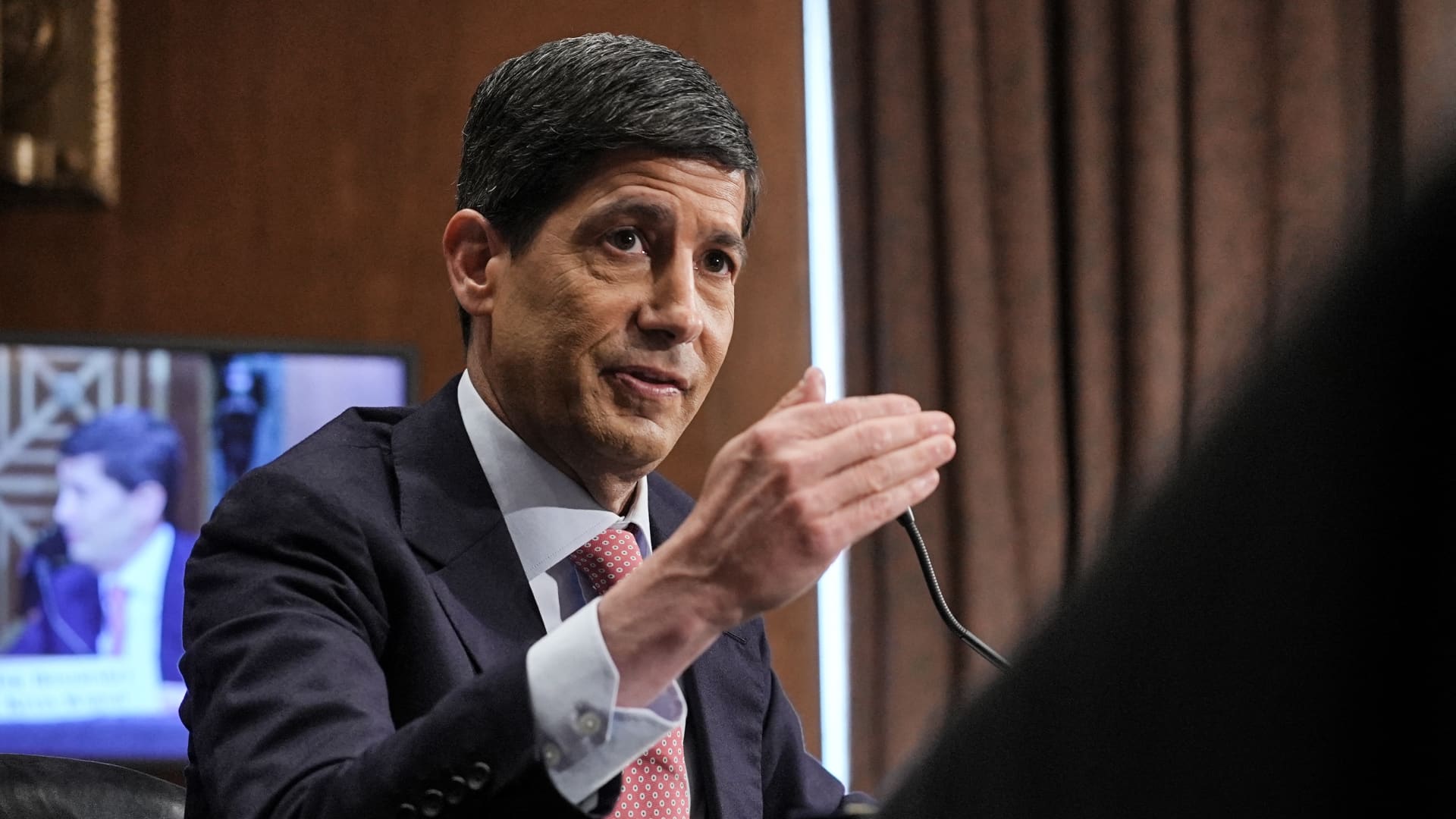
Federal Reserve Chair Kevin Warsh told senators Wednesday that he is in frequent contact with the Trump administration, including regular talks with Treasury Secretary Scott Bessent. For investors, the issue is whether the Fed’s decisions on interest rates, which influence borrowing costs, stock valuations and the economy, are viewed as independent from White House pressure.
Warsh declined to tell the Senate Banking Committee whether he has spoken with President Donald Trump since taking the top Fed job. He said, however, that he would not see such contact as improper.
“I certainly don’t feel uncomfortable receiving a call from the chairman of this committee or the president of the United States,” Warsh told senators.
The White House declined to comment on any possible conversations between Trump and Warsh, saying it does not discuss private conversations the president may or may not have had. Spokespeople for the Treasury Department and the Fed also declined to comment, according to CNBC.
Why the contact is getting attention
Fed chairs and Treasury secretaries have a long-running tradition of meeting for a weekly breakfast. Warsh said he has continued that practice with Bessent and speaks with him outside those scheduled meetings.
“I do meet with the Treasury Secretary weekly. I talk to him often between that,” Warsh said Wednesday. He added that he would make his own calls on interest rates.
The scrutiny comes seven weeks into Warsh’s tenure. Trump selected him after saying he wanted a Fed chair who favored lower rates, and Trump has continued to call for cuts since Warsh was confirmed. Lower interest rates can reduce financing costs for households and businesses, but they can also make it harder to bring inflation down if prices are still rising too quickly.
Warsh used two days of congressional testimony, first in the House on Tuesday and then in the Senate on Wednesday, to defend the central bank’s political independence. The Fed’s independence means elected officials do not directly set monetary policy, which includes decisions on short-term interest rates.
“The independence of the Federal Reserve is sacrosanct,” Warsh said Tuesday. He said the Fed’s authority depends on its credibility and its duty to make decisions consistent with the law Congress has written for it.
Rates debate is still open
Warsh told lawmakers that inflation has stayed above the Fed’s 2% target for 63 months. Consumer and producer price data released this week showed inflation easing in June, but Warsh cautioned against reading too much into one set of reports.
“Any central bank would be happy to have the data going in the right direction. My view is these are all imperfect measures of the state of underlying inflation,” he said.
The Federal Open Market Committee, the Fed panel that votes on interest rates, appears split over the next step. Fed Governor Christopher Waller and New York Fed President John Williams have recently said rates may need to rise this year.
Warsh has also formed a task force to review how the Fed evaluates inflation. He has separately created a task force to study balance sheet policy, which concerns the Fed’s holdings of financial assets and how those holdings affect money and credit conditions.
Before becoming chair, Warsh said he wanted a new Treasury-Fed Accord, referring to the 1951 agreement that helped define the modern Fed’s independence. At the time, he said he wanted to give the Treasury secretary some powers over the Fed’s balance sheet. He has not detailed that view since taking office.
Bessent and Warsh also share a professional link through investor Stanley Druckenmiller. Warsh worked for Druckenmiller for more than a decade before becoming Fed chair, while Bessent worked for Druckenmiller earlier in his hedge fund career. CNBC reported that the two men did not overlap there but knew each other well before their current roles.
This story draws on original reporting from CNBC.


