Arthur Hayes says AI credit bust could send Bitcoin above $1 million
Arthur Hayes ties a $1 million Bitcoin call to a possible AI credit crisis, but the data-center debt risks differ widely across Big Tech.
By Sofia Marchetti · Columnist
· 3 min read
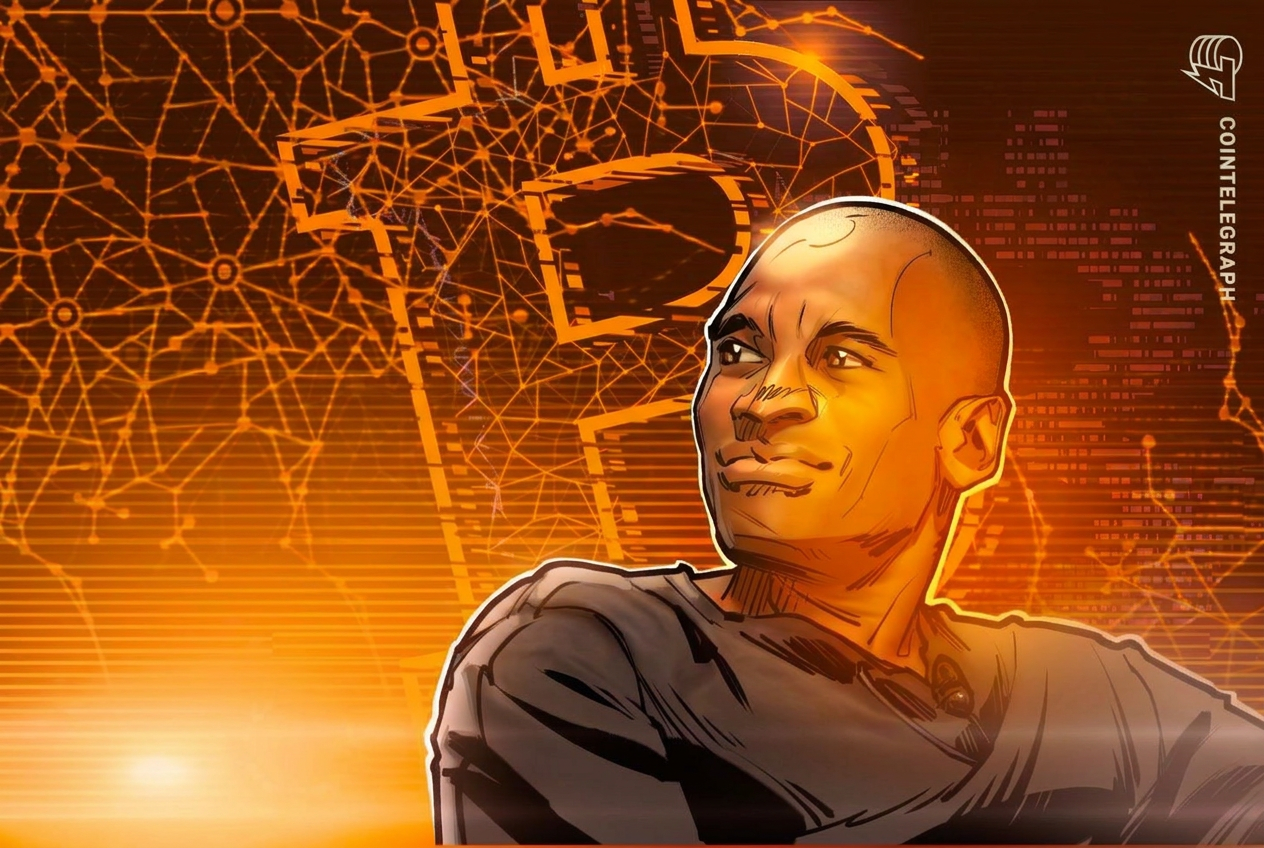
Arthur Hayes has renewed his case for Arthur Hayes Bitcoin $1 million, arguing that a debt-heavy buildout of AI data centers could eventually produce a financial rescue that boosts crypto. For everyday investors, the key point is that this is a conditional macro thesis, not a forecast based on a confirmed crisis or a set timetable.
The BitMEX co-founder wrote that investors have treated spending on data centers and power systems as a high-growth technology bet, while he sees much of it as a leveraged infrastructure or real-estate-style business. Cointelegraph reported that Hayes believes lenders could finance too much construction before a slowdown in AI capital expenditure exposes weaker borrowers.
Hayes compares the potential problem with the 2008 credit crisis rather than the dot-com downturn of 2000. His argument is that leading AI companies could remain profitable, even as lower expectations for future growth reduce their valuations and put pressure on the weakest AI-related borrowers and highly leveraged investors holding their debt.
How could an AI credit bust affect Bitcoin?
Hayes’s proposed sequence has several steps. He expects a slowdown in data-center construction, or in major cloud companies’ construction outlooks, to reveal stress among weaker credits. He then expects governments to support overleveraged AI companies and their financiers, citing national-security concerns. In his view, the added liquidity from that response would ultimately reach crypto markets and help lift Bitcoin above $1 million.
Liquidity means cash and credit available to move through the financial system and buy assets. Hayes’s view is that an official response to credit stress would add liquidity, which could later benefit Bitcoin. The projected credit crisis, government support and Bitcoin rally form one speculative scenario, as Cointelegraph noted, rather than established outcomes.
Hayes has also said the timing is uncertain. A Yahoo Finance page carrying a Stocktwits report said he told a podcast that an unwind in AI-linked assets could happen in the fall or years later. The same report said he expects a broad risk-asset decline before any Bitcoin recovery, according to his outlook.
What do AI data-center commitments show?
The spending backdrop is sizable. Reuters reported, as cited by Cointelegraph, that Microsoft, Meta, Oracle, Amazon and Alphabet had about $1.09 trillion in future lease commitments that had not yet started, largely tied to data centers. That figure was nearly four times their roughly $285 billion of recognized lease liabilities.
Those future lease payments should not be treated as debt dollar for dollar. Reuters said they are undiscounted payments scheduled across multiple years. Still, the figures show the scale of long-term obligations attached to the AI infrastructure race.
Balance-sheet pressure also varies sharply among the companies. Reuters reported that Oracle’s debt was about 4.3 times EBITDA, or earnings before interest, taxes, depreciation and amortization, a common measure of operating earnings. Alphabet, Amazon, Microsoft and Meta were each below one times EBITDA, according to the report.
Reuters also cited S&P Global analyst Andrew Chang, who identified a specific duration risk at Oracle: its data-center leases run 15 to 19 years, while its customer contracts last no more than five years. That mismatch is an Oracle-specific concern in the reporting, not evidence that the same risk applies equally across all of the large technology companies.
Hayes’s $1 million target therefore depends on a chain of events that has not been established: AI infrastructure overbuilding, credit stress, official intervention and a later flow of liquidity into Bitcoin. The lease commitments and different leverage ratios provide context for the debate, but do not demonstrate that this chain will occur.
This story draws on original reporting from Cointelegraph.