Bitcoin Fed decision watch intensifies as rate outlook splits traders
Bitcoin traders are watching the Fed, PCE inflation and Binance inflows as rate-hike odds keep crypto volatility in focus.
By Sofia Marchetti · Columnist
· 3 min read
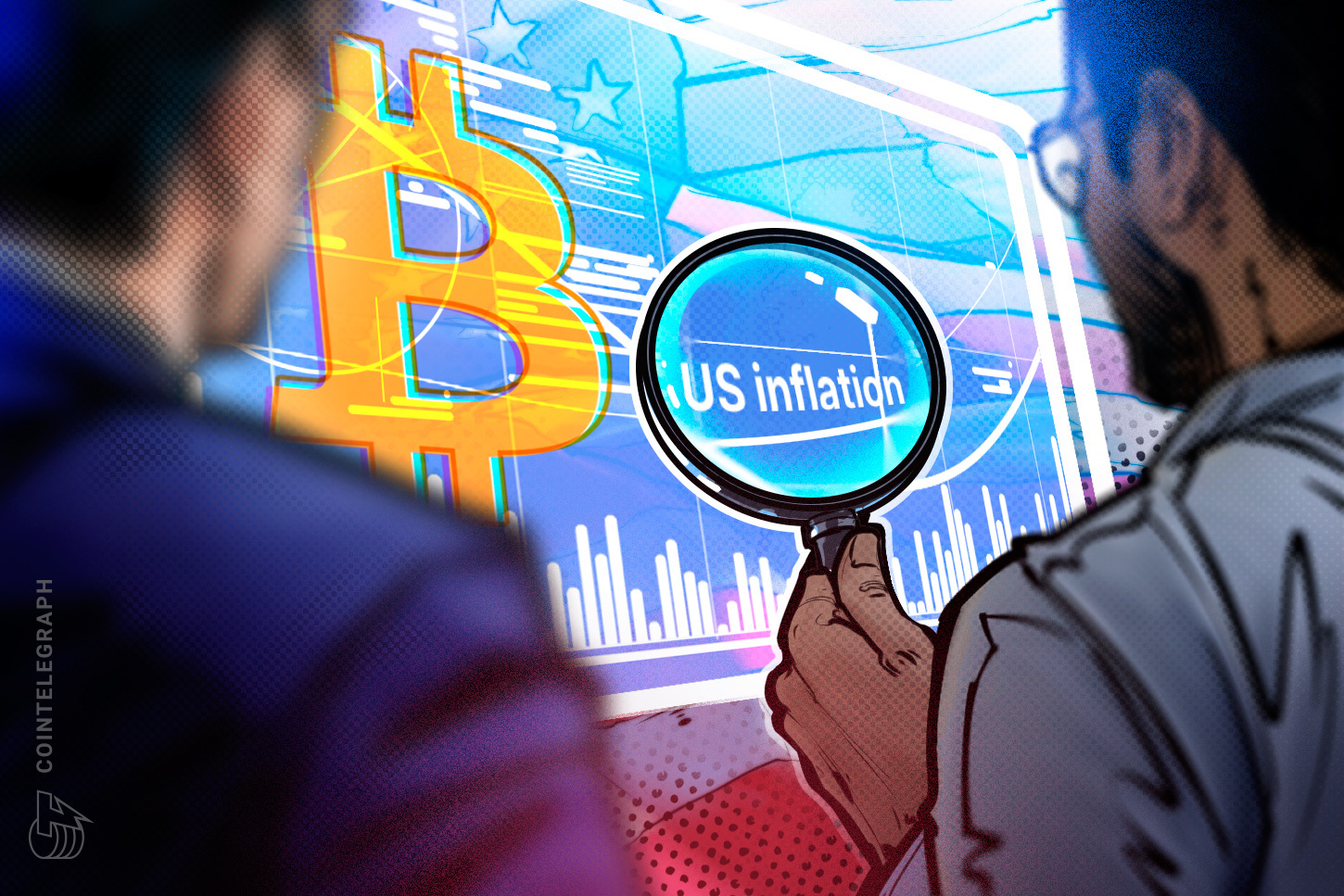
Bitcoin Fed decision risk is back in focus as traders head into a packed macro week with BTC trading near $65,398, according to market data cited by Cointelegraph. For retail investors, the key issue is straightforward: higher interest-rate expectations can make speculative assets such as crypto less attractive, while softer inflation data can ease that pressure.
The Federal Open Market Committee, the Fed panel that sets the central bank’s target interest-rate range, is scheduled to announce its decision on Wednesday, July 29. Cointelegraph reported that CME Group’s FedWatch Tool showed roughly a one-in-three chance of a rate increase this week, while odds of a September increase reached as high as 50%.
Those odds have been moving with the bond and energy markets. The U.S. 2-year Treasury yield rose to 4.3% last week, while oil fell 8% early Monday after the U.S. and Iran paused strikes, according to Cointelegraph. Rate-hike odds for the July meeting eased from 37.4% to 33.7% after the oil move, the report said.
How could the Fed decision affect Bitcoin?
Fed rate decisions affect Bitcoin through liquidity and risk appetite. When traders expect higher rates, cash and bonds can look more competitive, and investors often demand a lower price for assets that do not produce income, including Bitcoin.
Inflation is the other major input. The Personal Consumption Expenditures index, the Fed’s preferred inflation gauge, is due Thursday. The Bureau of Economic Analysis previously reported May PCE inflation at 4.1% year over year, a three-year high. The International Monetary Economics Network said on X that it expected June PCE inflation to slow to 3.7%.
Fed Chair Kevin Warsh had already avoided soft language on inflation at the prior meeting, according to Cointelegraph. He said then that inflation was still above the Fed’s 2% goal, partly because supply shocks had lifted prices in areas including energy.
Stocks, oil and Bitcoin are giving mixed signals
Bitcoin’s relationship with U.S. equities has weakened on longer time frames. TradingView data cited by Cointelegraph put Bitcoin’s 20-week rolling daily correlation with the S&P 500 near absent levels, the lowest since March. Its correlation with the Nasdaq Composite was 0.11, a level last seen in mid-February.
That can change during macro stress, when investors sell risk assets together. The Kobeissi Letter said on X that 86% of S&P 500 companies reporting so far had beaten earnings-per-share estimates and 80% had beaten revenue expectations, with AI contributing to earnings growth. Mosaic Asset Company warned in its Market Mosaic newsletter that rising yields could keep weighing on the S&P 500 and Nasdaq, which it said had lost support after peaking in early June.
Bitcoin itself remains boxed in technically. BTC reached $65,680 on Bitstamp after the weekly close, Cointelegraph reported, while trader Rekt Capital said on X that stronger seller-dominated volume near resistance would raise the chance of rejection. He also described Bitcoin as compressed between its 200-week simple moving average and 50-month exponential moving average, a setup he said would eventually force larger volatility.
Binance inflows show whales pulling back
Onchain data from CryptoQuant showed a split between large and smaller Bitcoin holders ahead of the Fed meeting. Contributor Amr Taha wrote that whale BTC inflows to Binance had fallen by as much as 44% since June 12, compared with a 22% drop in retail inflows.
Taha said retail inflows were running at about twice the level of whale inflows, leaving a $3.9 billion gap. He called the Fed meeting a major macro catalyst and said Wednesday’s decision could test whether that difference between whale and retail behavior continues or narrows.
This story draws on original reporting from Cointelegraph.