Bitcoin price slides into July close as US stocks stall
Bitcoin fell toward $62,000 on July 31 as US stocks failed to join Asia’s rebound, while analysts pointed to 2022-style risks.
By Theo Nakamura · Staff Writer
· 3 min read
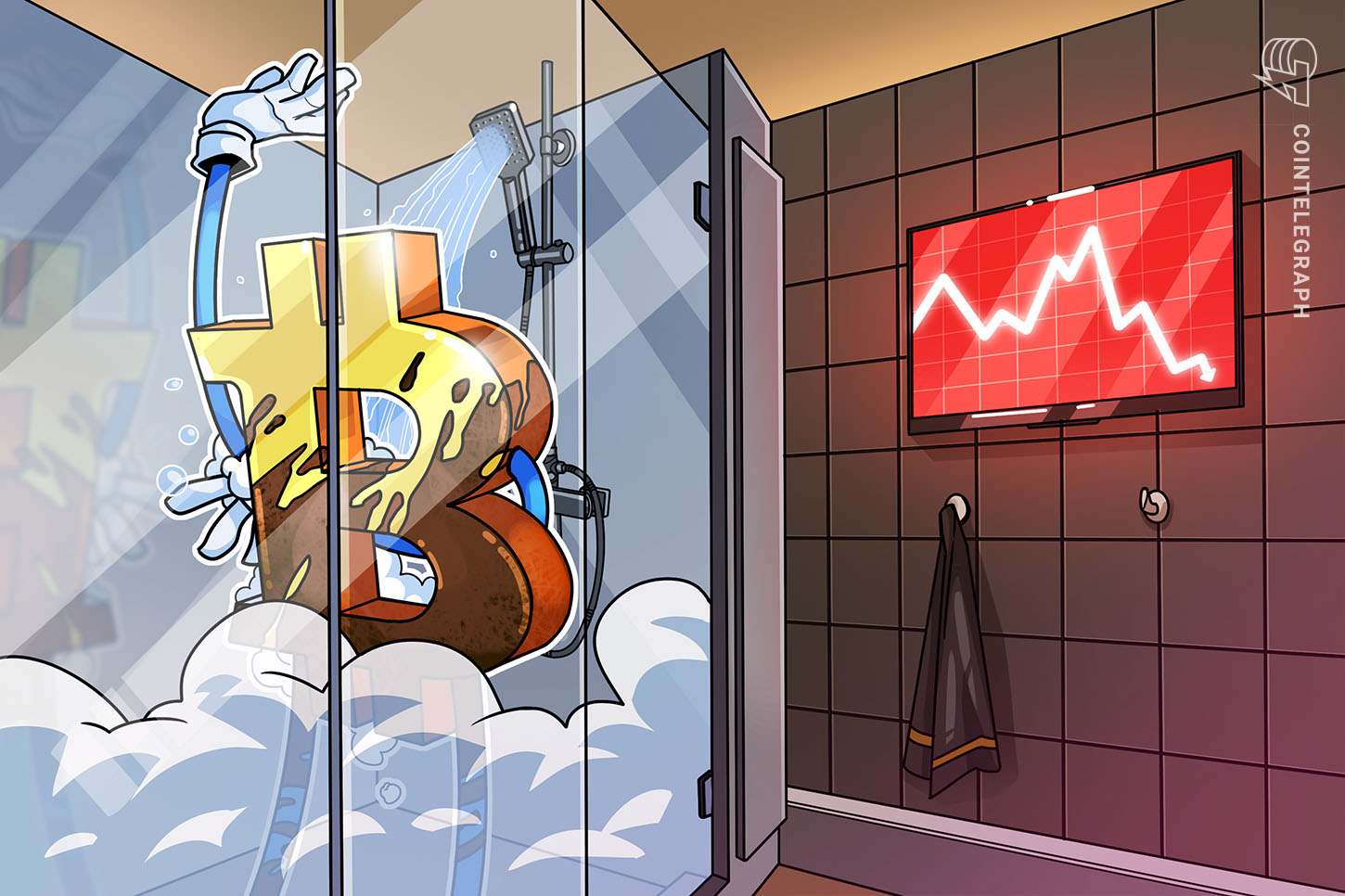
The bitcoin price July close turned volatile on Friday, with BTC falling to its lowest level in more than two weeks as U.S. stocks struggled for direction. For retail investors, the move showed how closely crypto sentiment can still track broader risk markets, especially when tech stocks and central banks are driving the day’s trading.
TradingView data showed BTC/USD dropping 3.5% to $62,369 on Bitstamp, a level last seen on July 14, according to Cointelegraph. The slide put Bitcoin near the $62,000 area heading into the final hours of the month.
The weakness came as U.S. equities opened lower and then moved sideways. That was a contrast with Asia, where South Korea’s KOSPI index finished 17.9% higher after a sharp rebound from a semiconductor-led sell-off, Cointelegraph reported using TradingView data.
Why did the bitcoin price fall on July 31?
Bitcoin fell as month-end trading brought fresh selling pressure and U.S. stocks failed to match Asia’s relief rally. QCP Capital said semiconductor shares were at the center of both the earlier sell-off and the rebound, reflecting the KOSPI’s heavy exposure to artificial intelligence and memory-chip demand.
That matters for crypto because traders often treat Bitcoin as part of the broader risk-asset basket. When investors pull back from high-growth technology trades, crypto can feel the same pressure, even when the news is not directly about digital assets.
QCP Capital also said crypto trading activity increased around the KOSPI’s sharp moves. The firm said the episode pointed to a growing link between crypto liquidity, regional equity positioning and sentiment around the global technology sector.
Central banks were also part of the market backdrop. Cointelegraph reported that Japan and South Korea both engaged in currency interventions on Thursday. The Bank of Japan kept its benchmark interest rate at 1.0%, while the U.S. Federal Reserve had left rates unchanged a day earlier.
What are traders watching for August?
Despite Friday’s decline, Bitcoin was still on track to end July up 8.5%, according to CoinGlass data cited by Cointelegraph. That would mark Bitcoin’s strongest July performance since 2022.
Some traders had expected a relief rally to carry into August, comparing the current price pattern with Bitcoin’s 2022 bear-market behavior. A relief rally is a temporary recovery after a decline, and it does not by itself confirm that a longer downtrend has ended.
Trader and analyst Rekt Capital said on X that Bitcoin may try to hold recent highs early in August, but that past behavior suggests the price could roll over as it did in 2022. His view is an analysis of historical patterns, not a confirmed outcome.
Rekt Capital also pointed to Bitcoin’s 50-month exponential moving average, or EMA, as a key resistance level. An EMA is a trend line that gives more weight to recent prices; in this case, he said the 50-month EMA was at $65,820 and had capped two breakout attempts since mid-June.
For investors watching from a phone rather than a trading desk, the key takeaway is that Bitcoin’s July gain survived the month-end sell-off, but the market entered August with pressure from stocks, tech-sector sentiment and long-term chart levels still in focus.
This story draws on original reporting from Cointelegraph.