Christopher Nolan says young viewers are rejecting generative AI
The director told The Telegraph that younger audiences can spot AI-made content quickly, adding to a broader split among major filmmakers over the tech.
By Sofia Marchetti · Columnist
· 3 min read
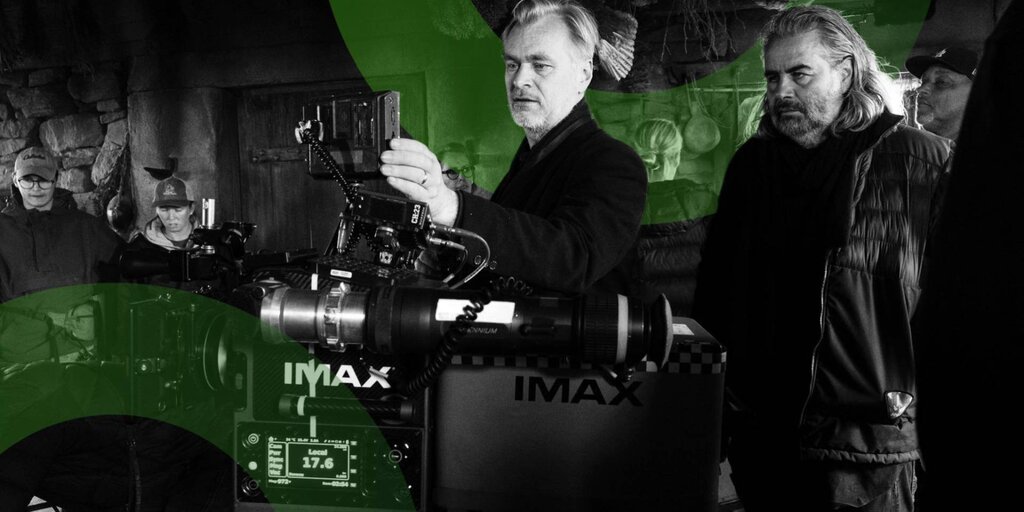
Christopher Nolan is pushing back on one of the biggest technology stories in entertainment: generative AI. For investors watching studios, streaming platforms, and AI video companies, his comments point to a basic adoption risk: audiences may not accept AI-made content just because the tools keep improving.
In an interview with The Telegraph tied to his press tour for “The Odyssey,” Nolan said young viewers are “utterly rejecting” generative AI. Generative AI refers to software that can create new text, images, audio, or video from prompts or other inputs.
Nolan told The Telegraph he had not seen such a fast rejection of a technology billed as a major leap forward. He pointed to his four children, who are in their late teens and early 20s, as part of the reason for that view.
“Their judgment of AI slop has been immediate and harsh,” Nolan said, according to The Telegraph. He added that younger audiences can identify it quickly because it came out of an internet culture they understand well.
Nolan sees a return to physical filmmaking
Nolan also argued that generative AI has arrived at a bad moment for the film business. He told The Telegraph that filmmakers are showing renewed demand for more physical, real-world storytelling after a period when many movies relied heavily on virtual settings.
That tracks with Nolan’s own reputation. His large-scale productions are known for practical effects, including crashing a 747 into a building for “Tenet,” landing a Spitfire on a beach for “Dunkirk,” and growing corn for a chase sequence in “Interstellar.”
Nolan has still used computer-generated visual effects when he believed they served the movie. “The Dark Knight,” for example, used digital work for Two-Face’s scarred appearance. He also told The Telegraph that he does not view every part of generative AI as “useless or meaningless.”
Hollywood remains split on AI
The debate around AI in filmmaking has divided major directors and actors. Guillermo del Toro, known for “Pan’s Labyrinth,” has publicly rejected the technology and led chants against AI on stage, according to Variety. Steven Spielberg has also criticized the idea of replacing creative workers with AI, describing it as an “empty chair with a laptop on it,” according to Decrypt.
Other prominent filmmakers have taken a more open approach. Martin Scorsese has joined AI company Black Forest Labs as an adviser, according to Variety. James Cameron, director of “Terminator 2,” sits on the board of Stability AI, according to Decrypt.
Ben Affleck has also shifted toward the technology. After previously expressing doubt that AI could “write anything meaningful” or create films “from whole cloth,” he sold his AI postproduction startup InterPositive to Netflix, according to The Guardian.
AI companies are continuing to build tools aimed at film and video production despite the debate. Decrypt reported that Utopia’s PAI is designed to keep output consistent across scenes and cuts, one of the technical challenges for AI-generated video.
For Hollywood, the fight is no longer only about what the tools can do. Nolan’s comments put the audience side of the equation in focus: if viewers reject the look or feel of AI-generated work, studios and platforms may have to weigh cost savings against trust, taste, and creative identity.
This story draws on original reporting from Decrypt.