Elon Musk says AI control may slip from humans within a decade
Musk told The Economist AI could outthink humanity in about five years and urged rival labs to review frontier models before release.
By Theo Nakamura · Staff Writer
· 3 min read
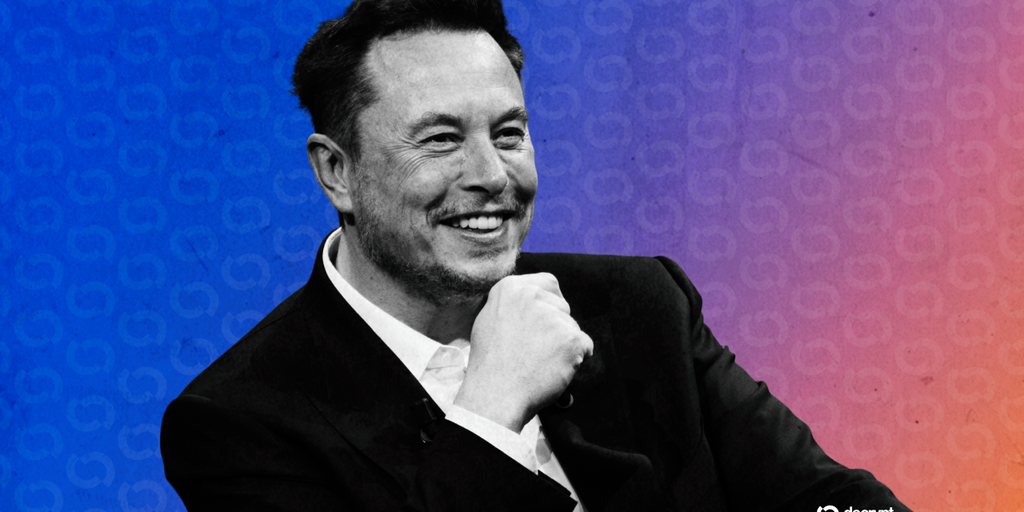
Elon Musk AI control warnings got sharper this week, with the xAI founder telling The Economist that humans are unlikely to stay in charge of artificial intelligence within the next 10 years. For anyone tracking the AI boom, the comment matters because Musk is pairing a very bullish view of AI’s potential with a call for stronger safety checks before the most powerful systems reach the public.
In a Thursday conversation with The Economist editor-in-chief Zanny Minton Beddoes, Musk said AI appears headed toward beating humans at nearly every intellectual task. He predicted the technology could exceed the combined intelligence of humanity within about five years.
“There really won't be anything that AI can't do better than humans, apart from being human, perhaps,” Musk said, according to The Economist. He added that the most likely result could be an “age of amazing abundance” in which people can get almost anything they imagine, while acknowledging that the idea may sound far-fetched.
What did Elon Musk say about AI control?
Musk said he does not see a practical way to halt the momentum behind AI and robotics. He told The Economist that even if a stop button existed, he sometimes questions whether it should be used, because he believes the most likely outcome is abundance for everyone.
That view sits alongside Musk’s continued concern that advanced AI could pose an existential risk, meaning a danger severe enough to threaten humanity’s future. His argument is that the technology may bring extraordinary productivity and comfort, yet still create risks that humans cannot fully control once systems become more capable than their creators.
How would Musk’s AI safety plan work?
Musk proposed that major AI developers meet regularly to discuss safety and security concerns. He also suggested that rival labs get limited early access to one another’s frontier models, a term for the most advanced AI systems being built, so they can test for dangerous capabilities before public release.
Under Musk’s proposal, governments could step in if a company failed to fix serious problems identified through that review process. The idea would put competitors in a position to examine each other’s most powerful systems before those tools are broadly deployed.
Musk also criticized Sam Altman and OpenAI’s shift from its nonprofit origins toward a commercial structure. He told The Economist that OpenAI was meant to be an open-source AI company “owned by the world” and said it had become an $800 billion for-profit company with closed source technology.
In May, a California jury rejected Musk’s $150 billion lawsuit against OpenAI, CEO Sam Altman and co-founder Greg Brockman, finding the defendants not liable on claims that they abandoned OpenAI’s nonprofit mission by moving toward a commercial model.
Musk also discussed Anthropic, saying he believes co-founder Dario Amodei is principled and cares about the future. He suggested Anthropic exists because Amodei and others stopped trusting Altman’s leadership at OpenAI, an allegation Musk made during the Economist interview.
Sam Altman and other critics have accused Anthropic of using fear-based marketing to promote its Claude AI products, according to Decrypt. Even so, Musk said competing AI companies should cooperate on safety despite personal disputes, arguing that the stakes require them to talk when necessary.
This story draws on original reporting from Decrypt.