FCC robot ban reaches foreign-made Roombas and power inverters
The FCC added foreign-made advanced robots and connected power inverters to its Covered List, limiting approval for future models.
By Theo Nakamura · Staff Writer
· 3 min read
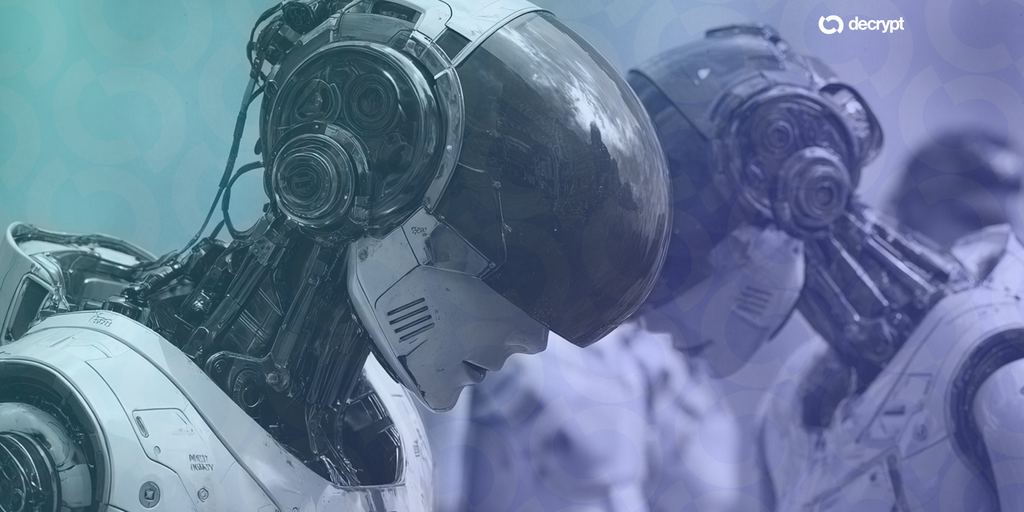
The FCC robot ban is broader than humanoid machines: it also reaches foreign-made robot vacuums such as Roombas, along with other internet-connected devices that can sense their surroundings. For everyday investors, the move is a reminder that national security rules can hit consumer hardware, robotics and grid technology before a product ever reaches store shelves.
The Federal Communications Commission said Tuesday it added foreign-produced advanced robotic devices and connected power inverters to its Covered List after U.S. national security agencies found they presented unacceptable risks. The decision followed findings from a White House-convened interagency group, according to the FCC.
The Covered List is the FCC’s roster of communications equipment and services that the U.S. government views as national security threats. Products on the list generally cannot receive new FCC equipment authorization, which is the approval many electronic devices need before they can be imported, marketed or sold in the United States.
Does the FCC robot ban include Roombas?
Yes, for future models that fit the rule. The FCC confirmed to The Verge that the restriction covers a wide range of new robotic devices weighing more than 4.4 pounds if they connect to the internet and can view their environment.
That definition sweeps in robot vacuum cleaners, lawnmowers, delivery robots and similar devices, according to The Verge. The FCC’s public announcement also named humanoid and quadruped robots, two categories where Chinese companies have been expanding quickly.
The restrictions apply to new device models seeking FCC approval. They do not affect products that have already been authorized, products consumers already own, or previously approved models that retailers continue to sell, according to the FCC.
The action also does not affect purchases or use by federal agencies, according to the FCC.
Why did the FCC add robots and power inverters?
The FCC said national security agencies determined that the products could create cybersecurity and supply chain risks tied to critical infrastructure and public safety. Internet-connected robots can collect data about their surroundings, which officials said could raise concerns about surveillance, sensitive information and remote control by attackers.
The agency also added connected power inverters, which convert electricity from one form to another for use on the power grid. Officials warned that compromised inverters could be used to disrupt parts of the grid, steal data or provide unauthorized access to critical systems.
FCC Chairman Brendan Carr said in a statement that he welcomed the Executive Branch national security determinations and that the FCC had added foreign-produced advanced robotics and power inverters to the Covered List. Carr said the agency was acting with national security agencies to protect critical supply chains.
Manufacturers still have a path to approval. The FCC said companies can seek authorization if they first receive Conditional Approval from the Department of Defense, or from the Department of Homeland Security for power inverters, after those agencies determine the products do not present unacceptable national security risks.
China’s robotics push is part of the backdrop
The FCC action comes as China works to become a leader in humanoid robotics. Decrypt reported that Alibaba introduced its Qwen-Robot AI software platform in June, while Unitree has been selling lower-cost humanoid robots to universities, startups and research labs around the world.
The new restrictions do not remove existing devices from homes or stores. They add a regulatory hurdle for future foreign-made connected robots and power equipment, putting product approvals at the center of a wider debate over technology supply chains and national security.
This story draws on original reporting from Decrypt.