Hawaii crypto ATM cash ban takes effect Oct. 1
Hawaii will bar cash-for-crypto kiosk purchases from Oct. 1, while crypto-to-cash transactions can continue.
By Theo Nakamura · Staff Writer
· 3 min read
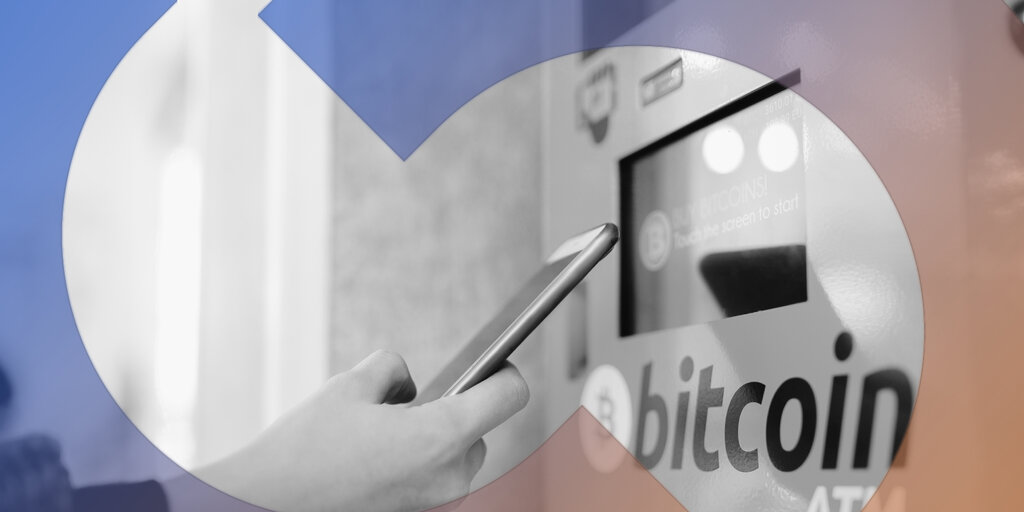
Hawaii’s crypto ATM cash ban takes effect Oct. 1, 2026, blocking kiosk operators from taking U.S. currency from customers in return for digital assets. For anyone who uses these machines, the practical change is that cash-funded crypto purchases will stop, while some other kiosk transactions can continue.
The restriction is narrower than a shutdown of every crypto ATM. Hawaii News Now reported that customers with existing accounts can still convert cryptocurrency into cash and withdraw dollars. A report published by Yahoo, carrying Decrypt’s reporting, said the law also permits exchanges of one digital asset for another.
What crypto-kiosk transactions will still be legal in Hawaii?
After Oct. 1, a kiosk may still accept a digital asset in exchange for U.S. currency, meaning a customer can sell crypto for cash, according to the Yahoo-published report. It may also exchange one digital asset for another. What operators cannot do is accept cash to sell crypto to a customer.
A crypto kiosk is a machine that lets a customer exchange cash or crypto for a digital asset. The new Hawaii rule focuses on the cash-in step, which is the transaction authorities say scammers have used to direct victims’ money to wallets they control.
Why Hawaii is restricting cash-to-crypto purchases
Hawaii News Now said the measure was enacted as a consumer-protection response to scams involving kiosks. The FBI recorded 92 kiosk-related complaints from Hawaii residents in 2025, with $3.85 million in adjusted losses, according to crypto.news and the Yahoo-published report.
AARP and other consumer advocates cited the same $3.85 million figure, which Hawaii News Now reported was nearly four times the amount reported the year before.
Hawaii Banking Commissioner Dwight Young told Hawaii News Now that the machines appeal to criminals because the transactions can be anonymous and difficult to trace. He described scams that begin with an unsolicited call, text or email, often claiming a bank account has been compromised or that the target has missed jury duty. The victim may then be told to withdraw cash and feed it into a kiosk.
A committee report cited by the Yahoo-published report said kiosks were increasingly being used in scams aimed at older adults. That report also referenced investigations by the attorneys general of Washington, D.C., and Iowa that found more than 93% of transactions at the kiosks they examined were scam transactions. The finding applies to the machines in those investigations, not to every crypto kiosk.
For Hawaii residents, the deadline draws a clear line: cash can no longer be used at a kiosk to purchase crypto after Oct. 1, but selling crypto for dollars remains allowed under the reported carve-out.
This story draws on original reporting from Decrypt.