India Bitchat GitHub takedown order targets Jack Dorsey app
India’s cybercrime agency gave GitHub three hours to remove Bitchat code, citing surveillance and public-order risks.
By Sofia Marchetti · Columnist
· 3 min read
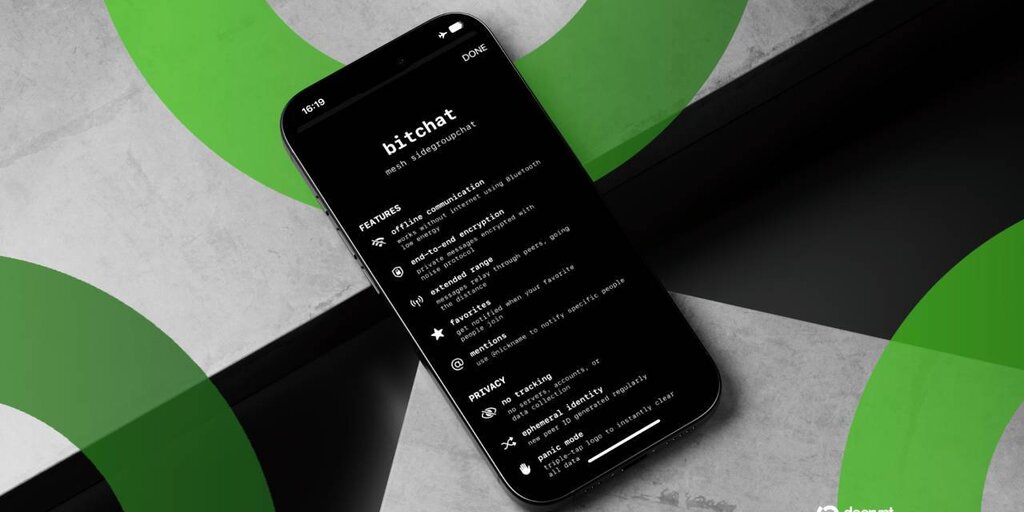
India’s Bitchat GitHub takedown order puts a decentralized messaging project backed by Jack Dorsey in the middle of a familiar fight: state surveillance powers versus tools designed to work outside normal internet rails. For retail investors watching Microsoft-owned GitHub, open-source software, and privacy tech, the move is a reminder that code platforms can face direct government pressure when apps collide with public-order and law-enforcement concerns.
The Indian Cyber Crime Coordination Centre, known as I4C, ordered GitHub to remove and disable access to three Bitchat code repositories within three hours, according to a notice published by Dorsey. I4C sits under India’s Ministry of Home Affairs.
The notice named repositories under the “permissionlesstech” account, including the main Bitchat project, an Android build, and an Android releases page. It cited Section 79(3)(b) of India’s Information Technology Act, 2000, and Rule 3(1)(d) of the Information Technology Rules, 2021.
I4C told GitHub to remove and disable access to the code while preserving evidence, according to the notice. GitHub is owned by Microsoft, making the order relevant beyond one app: it shows how governments can ask major infrastructure platforms to restrict access to software projects.
Why did India order GitHub to take down Bitchat?
I4C said Bitchat’s design could obstruct lawful surveillance and could be misused during “public disorder, riots, terrorism,” or internet shutdowns, according to the notice published by Dorsey. Lawful surveillance means monitoring authorized under a country’s legal process, and officials argued the app’s structure made that harder.
Bitchat is a Bluetooth-based, serverless messaging app built by Dorsey. Serverless, in this context, means the app is designed to operate without depending on a central messaging server that authorities or companies can easily contact, shut down, or monitor.
That design is what makes the app politically sensitive. Messaging tools that do not rely on conventional internet infrastructure can remain useful when internet access is restricted, but governments may view them as harder to police during unrest or security incidents.
What did Jack Dorsey and digital-rights groups say?
Dorsey published the notice on X and wrote that the government of India “does not like technologies like bitchat and wants it taken down.” The post attached images of the government notice and drew wide attention on the platform.
The Internet Freedom Foundation, a digital-rights group, criticized the order and called the takedown “unconstitutional and authoritarian.” The group’s response frames the dispute as a civil-liberties issue, with the government treating access to software code as a public-safety threat.
The order does not, by itself, settle the broader debate over decentralized communications. It does show the pressure point: open-source code can spread fast through repositories, mirrors, and forks, while governments tend to direct enforcement at visible platforms such as GitHub.
For investors, the immediate financial impact is not the main story. The bigger signal is regulatory risk around developer platforms and privacy-focused apps, especially in markets where governments are willing to use legal takedown tools against software they say limits surveillance or complicates emergency control.
This story draws on original reporting from Decrypt.