Iran Bitcoin Hormuz sanctions target maritime payment scheme
OFAC sanctioned two Iranian firms tied to mandatory Hormuz insurance, saying one accepts Bitcoin to get around Western restrictions.
By Dev Ramirez · Crypto Correspondent
· 3 min read
The U.S. Treasury’s Iran Bitcoin Hormuz sanctions put crypto back in the middle of a major energy chokepoint. OFAC, the Treasury unit that enforces sanctions, said Wednesday it had designated two Iranian firms tied to a system requiring commercial vessels to buy IRGC-approved maritime insurance to pass through the Strait of Hormuz.
For everyday investors, this is less about Bitcoin’s price and more about how digital assets can show up in sanctions, shipping and oil-market risk. The Strait of Hormuz carries about one-fifth of the world’s oil, according to the Treasury account cited in the announcement, so payment rules around that route can matter far beyond crypto markets.
Why did Treasury sanction the Iranian firms?
Treasury said the firms were part of an Islamic Revolutionary Guard Corps-backed scheme that forces ships to purchase mandatory insurance before transiting the Strait of Hormuz. Sanctions are government restrictions meant to limit a target’s ability to use financial and commercial channels.
According to Treasury, Persian Gulf Marine Insurance Company brokers the policies. The firm was set up by Iran’s insurance regulator, Treasury said, and the insurance is approved by the Persian Gulf Strait Authority, an IRGC-backed body that Washington designated in May.
Treasury described the coverage as protection against risks that Iran itself creates, especially the possibility that vessels could be seized. That framing is central to Washington’s case: the insurance is not being portrayed as ordinary maritime risk coverage, but as part of a pressure campaign around a strategic shipping route.
Where Bitcoin fits into the Hormuz scheme
The second firm named by OFAC is HormuzSafe Marine Services Authority. Treasury said HormuzSafe was developed by Iran’s Ministry of Economy and presents itself as a provider of traffic control, security, emergency response and insurance services.
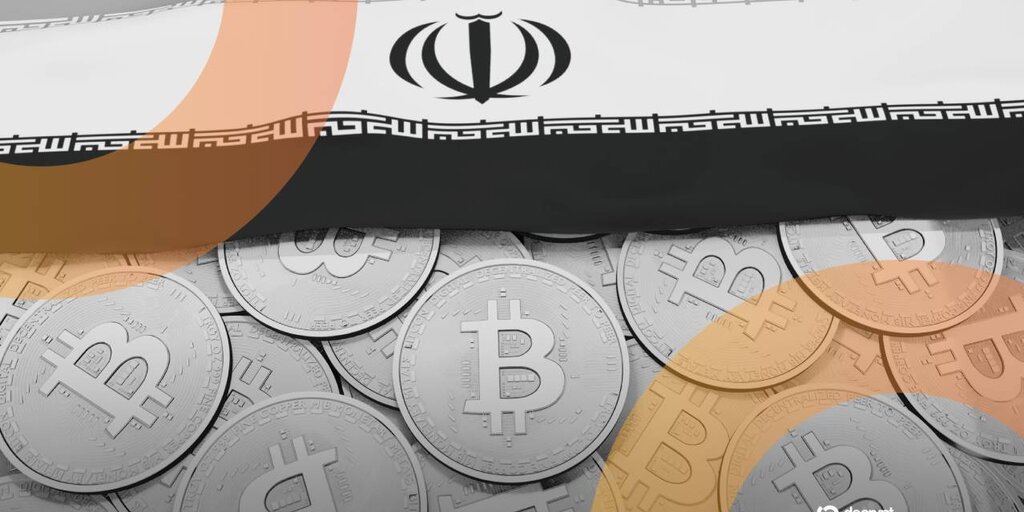
OFAC said HormuzSafe accepts Bitcoin and other digital assets as part of an effort to evade Western sanctions. Bitcoin is a digital currency that can move between users without a traditional bank in the middle, which is one reason governments track its use in sanctions cases.
Treasury also said Babak Morteza Zanjani, an Iranian financier sanctioned earlier this year, promoted HormuzSafe to his social media followers.
The crypto piece had been disputed before Wednesday’s action. The Financial Times reported in April that Iran would seek crypto payments from ships using Hormuz, starting at $1 a barrel. At the time, TRM Labs policy head Ari Redbord told Decrypt he was skeptical, saying blockchain data did not show crypto being used at scale for Hormuz transit. Other analysts also noted that the industry union spokesman quoted in that report did not speak for Iran’s government.
The OFAC action does not say how much Bitcoin or other digital assets HormuzSafe has received. It does, however, name a government-developed firm that Treasury says takes digital assets in connection with the Hormuz transit system.
Treasury also targets tankers
The sanctions announcement went beyond the two insurance-linked firms. Treasury said the same action designated eight tankers and their operators over cargoes of Iranian crude and petroleum products.
Treasury Secretary Scott Bessent said the Iranian regime is “desperate for cash,” described its economy as “in freefall” with inflation in triple digits, and said Washington would not allow Iran to “hold global commerce hostage.”
The move adds another official U.S. claim that sanctioned actors are trying to use crypto payment rails around traditional finance. For investors watching Bitcoin, oil and geopolitical risk, the key confirmed fact is narrow but meaningful: Treasury says one sanctioned Iranian maritime firm accepts Bitcoin and other digital assets tied to passage through one of the world’s most important oil routes.
This story draws on original reporting from Decrypt.