Meta ‘pervert glasses’: why its smart glasses face a privacy backlash
The online label for Meta’s camera-equipped glasses reflects covert-recording fears, while Instagram and Meta tighten safeguards.
By Theo Nakamura · Staff Writer
· 3 min read
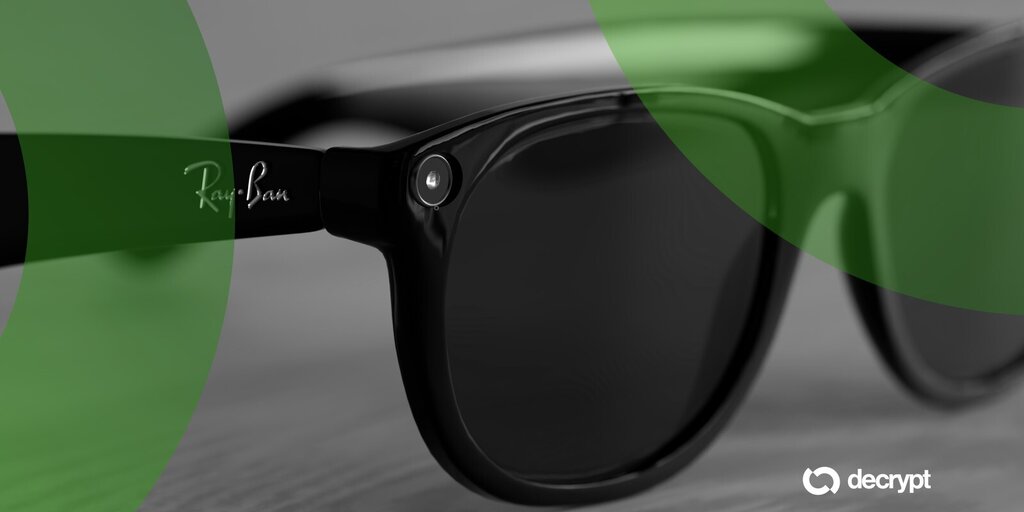
Meta pervert glasses is an online insult, not a Meta product name. It has attached itself to the company’s camera-equipped smart glasses because critics fear that ordinary-looking frames can make it harder for people nearby to know when they are being filmed. For investors, the issue is a reputational test for a consumer device Meta is trying to make more widely used.
Meta’s glasses can take photos and record video hands-free, while some models and versions also support music and interaction with Meta AI, according to El País. The concern is not that every wearer is recording people improperly. It is that a camera built into familiar-looking eyewear is less conspicuous than a phone held up to take video.
Why are Meta glasses called “pervert glasses”?
The nickname gained traction amid reports of prank creators and pickup artists using the glasses to film interactions with strangers, including women who might not realize they were being recorded. Business Insider reported that clips included pranks involving service workers and videos of men approaching women in public.
That distinction matters: recording, uploading and platform moderation are separate steps. The reporting supports a crackdown on posted material that harasses or exploits people, not a broad prohibition on using the glasses’ camera.
Instagram head Adam Mosseri said the platform would remove content that takes advantage of people or harasses them, including pickup-line-style videos, according to Fortune and Business Insider. Business Insider reported that Meta confirmed two large pickup-artist accounts had been deactivated for violating its policy on harassing content filmed with the glasses. The company did not directly explain to Business Insider how enforcement works in detail or precisely what conduct crosses the line.
What safeguards does Meta say the glasses have?
Meta says every pair has a recording-indicator light that cannot be turned off. The company also said in a July 7 privacy FAQ that the camera will automatically disable if its system detects that the light has been physically tampered with or destroyed, Fortune reported. Engadget reported that Meta described the software update as mandatory and said it would pursue legal action against people promoting services to tamper with the light.
The indicator is intended to give bystanders a visible signal when the camera is active. But its effectiveness is the core point of disagreement. Business Insider reported that the small light may be missed or not understood, especially outdoors in bright conditions. A privacy advocate told Fortune that people have historically been able to recognize a photo or video being taken because someone raises a phone or conventional camera, a cue smart glasses make less obvious.
Why the backlash matters to Meta
The controversy has reached beyond abusive posts. Engadget reported that five current or prospective users changed how they used, or considered using, the glasses because they worried others would interpret the device as a tool for unwanted recording. Some interviewees said they reduced use in crowded settings or sought ways to signal that they were not filming.
Meta’s response has two limited layers: Instagram can remove harassing or exploitative posts after they appear, and the glasses’ software can stop the camera after detected physical tampering with the indicator. Neither measure guarantees that every bystander will notice the indicator in the moment. That gap between Meta’s stated privacy design and public confidence explains why the online label has become a problem for the product.
This story draws on original reporting from Decrypt.