Minnesota prediction market ban blocked for Kalshi and Polymarket
A federal judge paused Minnesota’s prediction market law, finding Kalshi, Polymarket and the CFTC likely to win on preemption.
By Sofia Marchetti · Columnist
· 3 min read
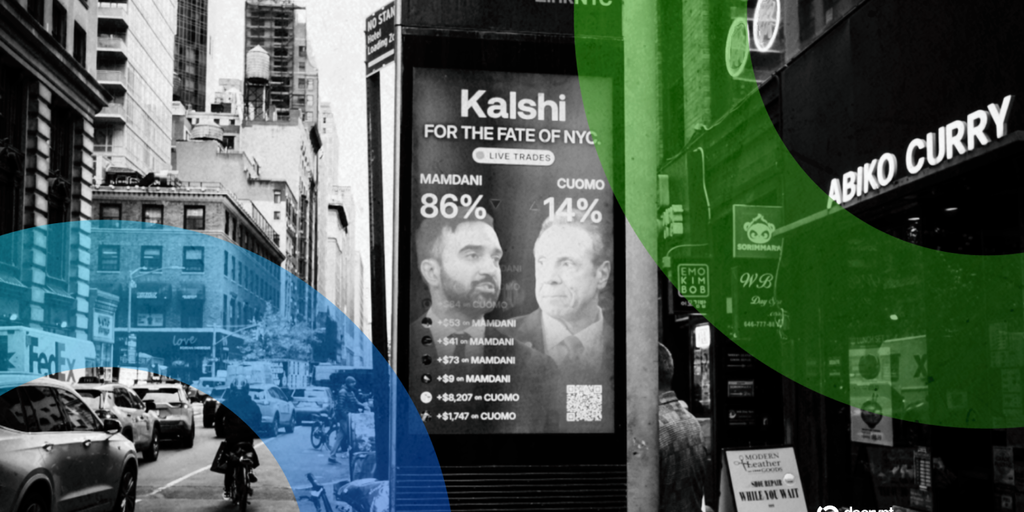
A federal judge has paused the Minnesota prediction market ban days before it was set to take effect, giving Kalshi, Polymarket and the Commodity Futures Trading Commission a temporary win. For retail investors and crypto users watching event-contract platforms grow, the ruling keeps CFTC-registered exchanges operating in the state while the court decides whether federal law overrides Minnesota’s statute.
U.S. District Judge Katherine Menendez issued a preliminary injunction on Monday against SF 3432, described in the order as the first state law to criminalize prediction markets. The law had been scheduled to take effect on Saturday.
Prediction markets let users buy and sell contracts tied to future outcomes, such as elections, sports results or other public events. Prices on those contracts can move like odds, because users are trading on whether an event will happen.
Menendez found that Kalshi, Polymarket and the CFTC were likely to succeed on express preemption claims. Preemption means a federal law can block a state from enforcing its own rules in an area Congress placed under federal authority.
What does the Minnesota prediction market ban ruling mean?
The order does not permanently strike down Minnesota’s law. It blocks enforcement, for now, against exchanges registered with the CFTC as designated contract markets, which are federally regulated venues allowed to list certain derivatives contracts.
Menendez also found the platforms likely faced irreparable harm if the law took effect before the case was resolved. The injunction stays in place until the court reaches a decision on the merits.
The case turns on which contracts count as swaps
The key legal issue is whether the trades covered by Minnesota’s law qualify as “swaps” under the Commodity Exchange Act, according to Menendez’s order. A swap is a type of derivatives contract, meaning its value depends on an underlying event, asset or benchmark rather than direct ownership of that asset.
Menendez wrote that some event contracts appear to fit within the federal framework because they involve events with “clear potential economic, financial, or commercial consequences.” She pointed to contracts tied to Senate races, the World Cup winner and the reopening of the Strait of Hormuz as examples that clear that threshold.
The judge drew a line around other markets. Kalshi contracts on the winner of Love Island USA, or on what announcers say during a match, likely do not qualify the same way, according to the order.
That distinction could shape the final outcome. Menendez wrote that permanent relief “may be much narrower,” because Minnesota’s statute “may not be preempted in all its applications.”
The CFTC told the court at a July 2 hearing that it brought a facial challenge, according to the order. A facial challenge asks a court to find a law invalid in all of its uses, rather than only as applied to specific facts.
Minnesota says the ruling lets gambling apps spread
Minnesota Attorney General Keith Ellison told Courthouse News the state “respectfully disagree[s]” with the court’s view of the status quo. He said the injunction “allows predatory gambling apps to proliferate.”
In a memorandum, Ellison’s office argued that the platforms could comply with federal rules while limiting the markets they offer in Minnesota.
The ruling keeps Kalshi and Polymarket in the state for now, but it also signals that the broader legal fight may come down contract by contract. The court’s final decision could decide how much room states have to police prediction markets when federal commodities law is already in play.
This story draws on original reporting from Decrypt.