Running Away Balloon artist sues Memes.ai over ad templates
Elmer Saflor says Memes.ai sold his comic as an ad template, a copyright claim focused on product use rather than AI training.
By Dev Ramirez · Crypto Correspondent
· 3 min read
Filipino cartoonist Elmer Saflor has filed a Running Away Balloon lawsuit against Memes Apps, the company behind the AI ad generator Memes.ai, alleging the platform offered his comic to paying users as an advertising template. For creators, AI companies and anyone tracking the business risk around generative tools, the case points to a copyright fight over what a product gives customers, rather than how an AI model was trained.
Saflor, who also uses the name Superelmer, filed the complaint on July 1 in the U.S. District Court for the Central District of California. According to the complaint, Memes Apps made his two-panel comic available under the title “Running Away Balloon” in a template library that subscribers could search.
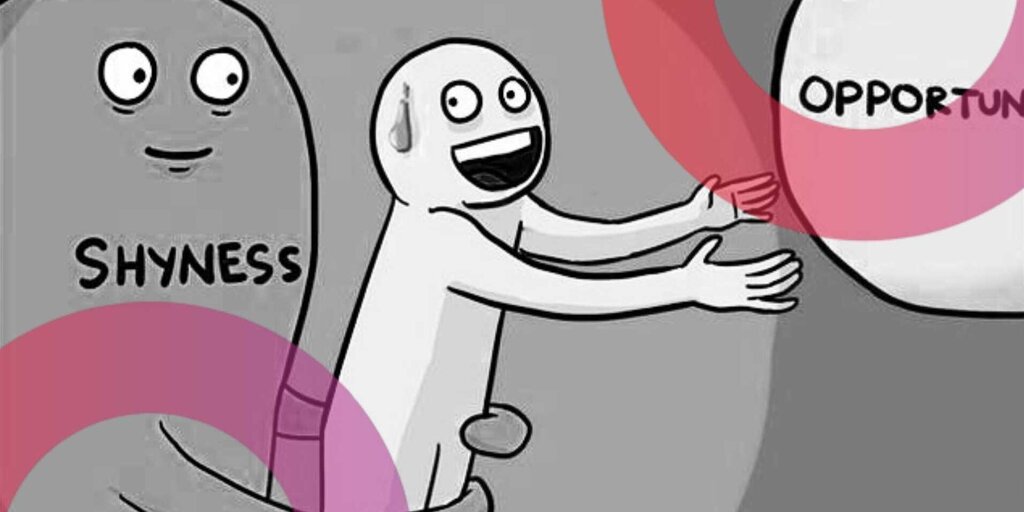
The comic was first posted to Facebook in April 2017, according to Know Your Meme. It shows a gray stick figure reaching toward a balloon labeled “opportunities” while a pink character labeled “shyness” holds the figure back. Saflor registered the work in 2024, according to the complaint.
What is the Running Away Balloon lawsuit about?
Saflor accuses Memes Apps of direct, contributory and vicarious copyright infringement. In plain English, the complaint targets the company’s alleged copying and display of the comic, and its alleged role in letting customers use the work through the platform.
Memes.ai markets its service to brands, agencies and marketers, according to the complaint. The filing says the platform sells subscriptions ranging from $40 to $199 per month, with plans that include up to 1,000 meme ads.
The complaint also cites Memes.ai’s own marketing language. Saflor says the site tells users that generated ads “are yours to use for your business,” including in paid advertising. The filing also points to the company’s pitch telling customers to “fire your ad agency,” while alleging that agencies typically license the material they use.
How is this different from other AI copyright cases?
Many artist lawsuits against AI companies have centered on whether copyrighted works were used to train generative models, and whether that use qualifies as fair use. The complaint notes that litigation involving Stability AI and Midjourney has raised that kind of training-data question since 2023.
Saflor’s case takes a different route. His complaint does not focus on model training. It alleges ordinary reproduction and public display, based on the claim that the comic appeared as a named template available to Memes.ai subscribers.
That distinction matters for how the case may be argued. A training-data case asks whether copying works to build or improve a model is legally allowed. Saflor’s complaint asks whether a platform can offer access to a creator’s work as a customer-facing ad template without permission.
What does Saflor want from Memes Apps?
Saflor is asking the court for a permanent injunction, which would bar the alleged conduct if granted. He also seeks an accounting of profits and disgorgement, meaning a court-ordered review and potential turnover of profits tied to the alleged infringement.
The complaint also seeks statutory damages. Under the Copyright Act, statutory damages for willful infringement can reach $150,000 per work.
Memes Apps has not been reported in the complaint materials as having responded to the allegations. The case is at the pleading stage, where Saflor has set out his claims and requested remedies from the court.
This story draws on original reporting from Decrypt.