Samuel Tunick duress password case tests phone searches at border
Atlanta activist Samuel Tunick faces a federal charge after a phone passcode allegedly wiped his device during a border search.
By Sofia Marchetti · Columnist
· 3 min read
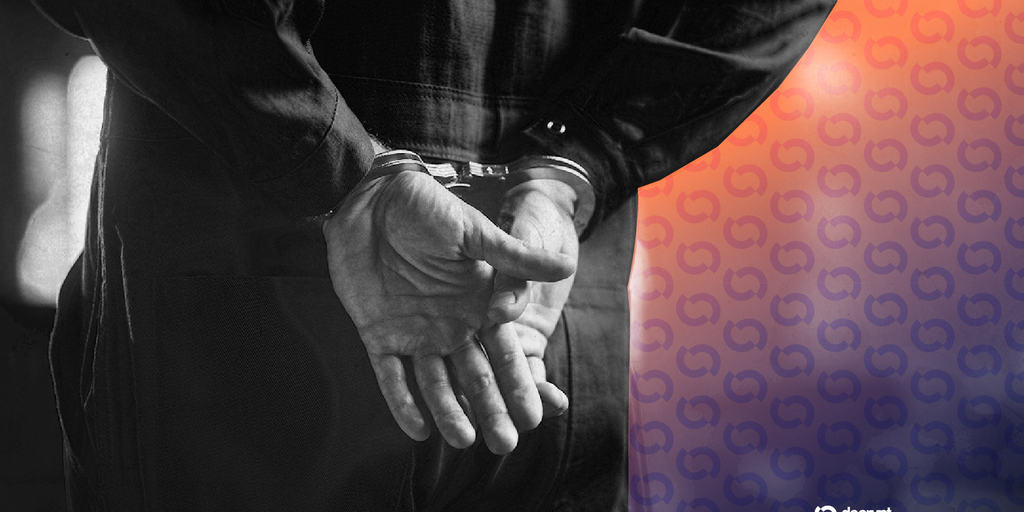
Samuel Tunick duress password charges have turned a privacy feature on a Pixel phone into a federal criminal case. The case matters because it tests how far border agents can go when a traveler’s device is built to erase itself if the wrong unlock code is entered under pressure.
Tunick, an Atlanta resident and activist, has been charged under 18 U.S.C. § 2232, a federal law that covers knowingly destroying property to stop authorities from seizing it. The Guardian reported that Tunick is the first known American charged in a criminal case tied to allegedly using a duress password during a phone search.
What is a duress password?
A duress password is a second unlock code set up beside a normal phone passcode. On GrapheneOS, entering that code does not open the phone; it deletes the device’s encryption keys and wipes the phone immediately and irreversibly.
Encryption keys are the mathematical credentials that make scrambled data readable. Without them, the data on the device cannot be recovered in normal use, which is why the feature is designed as a last-resort tool for situations where someone is physically forced to unlock a phone.
The feature is part of GrapheneOS, a security-focused version of Android built for Google Pixel phones. The operating system is used by journalists, activists and security researchers, and Edward Snowden has said on X that he uses GrapheneOS daily. GrapheneOS added the duress PIN feature in June 2024.
Why was Samuel Tunick charged?
According to Tunick’s lawyers, Customs and Border Protection agents sent him to a secondary inspection room at Hartsfield-Jackson airport on January 24, 2025, after he returned from the Dominican Republic. His attorneys say agents demanded access to his phone without a warrant, denied him a lawyer and did not read him Miranda rights.
CBP relies on the border search exception to the Fourth Amendment for some inspections before a traveler formally enters the country. The border search exception is a legal doctrine that allows broader searches at the border than police would typically be allowed to conduct inside the country.
Court filings say that after Tunick provided a code, the phone’s screen went dark, flashed several times and appeared to restart. Agents seized the device anyway and released Tunick into the country shortly afterward, according to the filings.
The charge centers on the government’s allegation that the wipe amounted to destroying property to prevent seizure. Tunick’s defense, as described by his attorneys, focuses on the circumstances of the warrantless search and the demand for his passcode.
What happens next in court?
A federal judge is expected to rule on a motion to suppress no earlier than the end of October. A motion to suppress asks a court to exclude evidence, often because the defense argues it was obtained unlawfully.
The ruling will be closely watched by privacy advocates and phone-security users because the case puts a relatively new anti-coercion feature inside a criminal prosecution. For now, the confirmed facts are narrower: Tunick is charged, the phone was seized, and the court has not yet ruled on the suppression request.
This story draws on original reporting from Decrypt.