Tokenized cows farm loans reach Brazil’s B3 exchange
A Paraná dairy farm used 10 blockchain-tracked cows to secure a R$100,000 CPR-F loan registered on B3, testing real-world asset tokenization.
By Theo Nakamura · Staff Writer
· 3 min read
Tokenized cows farm loans have moved from crypto concept to registered credit deal in Brazil. Fazenda Engenho Velho, a dairy farm in Imbituva, Paraná, used 10 cows as digitally tracked collateral for a R$100,000 rural finance loan, according to MilkPoint and Globo Rural.
The animals were valued at R$120,000, about $23,310, and backed a CPR-F, short for Cédula de Produto Rural Financeira. A CPR-F is a Brazilian rural credit certificate that lets a farmer borrow against agricultural assets such as crops or livestock.
BMP, a direct credit company authorized by Brazil’s central bank, issued the loan, according to the reports. BMP then sold the credit rights to Target FIDC, a receivables fund, and the transaction was registered on B3, Brazil’s main stock exchange. Globo Rural described it as the first tokenized livestock collateral formally registered through the exchange.
How do tokenized cows back a farm loan?
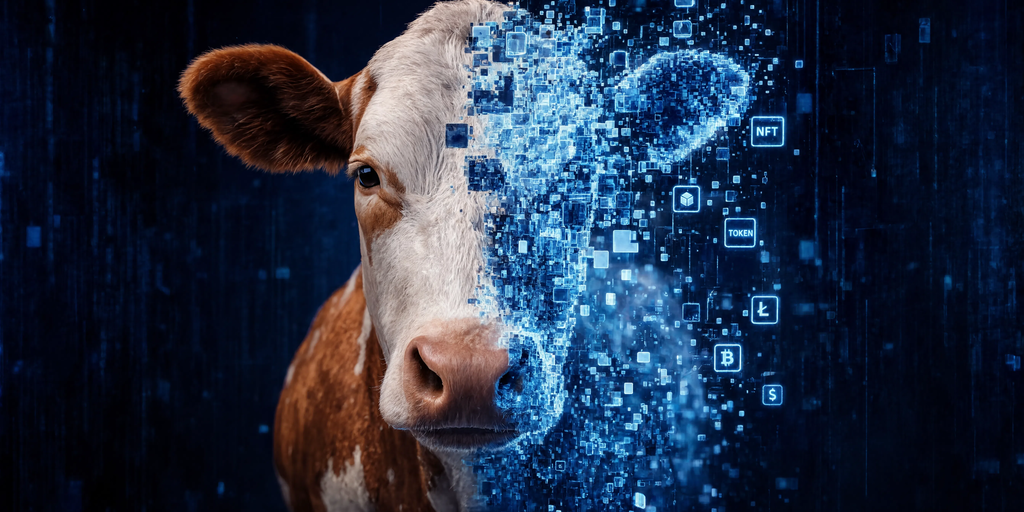
Tokenization means creating a digital record for a real-world asset so it can be identified, tracked and tied to a financial contract. In this case, each cow received a unique encrypted blockchain ID based on data from AI-powered sensor collars made by Cowmed, an agritech company that monitors dairy herds.
Cowmed’s collars collect health, behavior and location information, according to the company and reports from CNN Brazil and Globo Rural. That data is converted into a tamper-resistant identifier linked to the credit agreement, giving lenders a way to monitor the collateral without sending someone to inspect the farm in person.
The mechanism matters because livestock can be difficult for lenders to value. Globo Rural reported that banks often apply steep discounts to cattle used as collateral, sometimes as much as 60%, because they lack reliable proof that an animal remains healthy, present and alive. Humberto Brenner, a director at Target FIDC, told Globo Rural that monitoring removes that uncertainty and said banks are likely to seek “real collateral and new information.”
The deal lands during a tight period for Brazilian agribusiness credit. Serasa Experian reported that recuperação judicial filings, Brazil’s bankruptcy protection process, reached 1,990 in the agribusiness sector in 2025, up from 534 in 2023. The credit strain has been linked in the reports to high interest rates, lower commodity prices and climate-related shocks.
Cowmed CEO Thiago Martins told CNN Brazil that the operation turned “a real and tangible asset” into a digital asset backed by a unique code and monitored in real time. He said registering the digitalized collateral on B3 as a financial security gives farmers another option for financing while credit is restricted in agribusiness.
For investors following real-world asset tokenization, the Brazil cow deal is a concrete example outside bonds, funds and stablecoins. It shows how blockchain records can be used less as a tradable token story and more as market plumbing: a way to make collateral easier to verify, price and finance.
This story draws on original reporting from Decrypt.