Vlad Tenev X hacked to promote fake Vladhood token, Robinhood says
Robinhood said CEO Vlad Tenev’s X account was compromised to push an unauthorized meme coin tied to Robinhood Chain.
By Dev Ramirez · Crypto Correspondent
· 3 min read
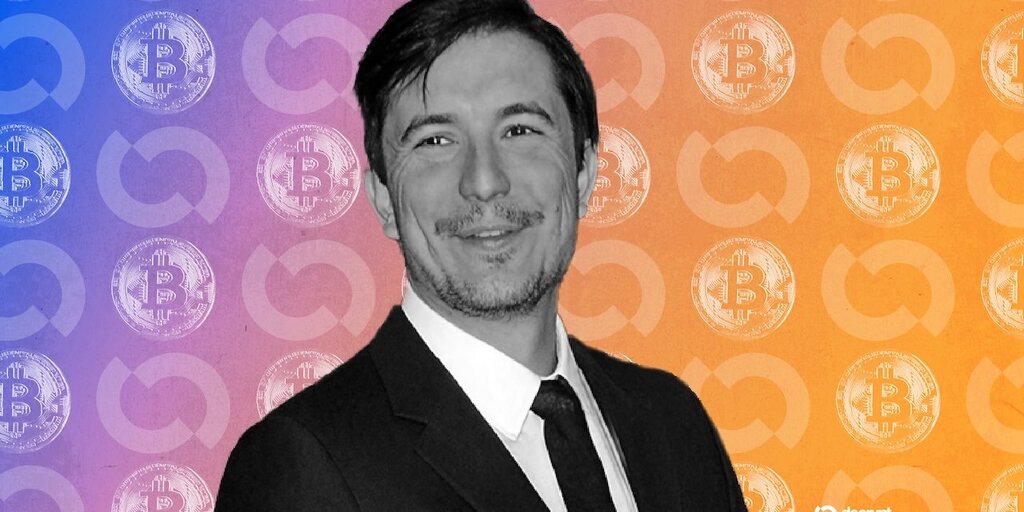
Robinhood said Vlad Tenev X hacked posts promoted a fake crypto token on Thursday, putting the brokerage’s name at the center of another social-media driven coin scam. For everyday investors, the episode is a reminder that even verified executive accounts can be used to make a bogus token look legitimate.
The company’s communications team said Tenev’s X account was briefly compromised and used to advertise a meme coin called Vladhood, with the ticker VLAD. Robinhood said the promotion was not authorized, the post was removed, and the account was secured.
The deleted post described Vladhood as the “official mascot of Robinhood Chain,” according to Decrypt. It also claimed the coin would be listed on the Robinhood app, a statement Robinhood rejected by saying the promotion was fake.
Was Vlad Tenev's X account hacked?
Yes, according to Robinhood. In a post from its official communications account on X, the company said its CEO’s account had been compromised and had posted a fake meme coin promotion.
Robinhood said it was working with X to restore access after the breach. The company later said the account had been secured.
A meme coin is a crypto token usually built around a joke, online reference, celebrity, or brand association rather than a clear business claim. These tokens can trade on attention, so a post from a high-profile account can be used by attackers to create a false sense of endorsement.
What is the Vladhood token?
Vladhood, or VLAD, was presented in the hacked post as connected to Robinhood Chain, according to Decrypt. Robinhood said the promotion was fake and not authorized by the company.
The fraudulent post also claimed VLAD was set to appear on the Robinhood app, according to Decrypt. Robinhood’s statement means investors should not treat that social post as evidence of any official listing.
Robinhood Chain is an Ethereum layer-2 network that launched July 1, according to Decrypt. An Ethereum layer-2 is a separate network built to process activity more cheaply or efficiently while still connecting back to Ethereum.
Decrypt reported that speculative meme coins have drawn more activity on Robinhood Chain than tokenized stocks. Tokenized stocks are blockchain-based representations tied to shares or stock-like exposure, depending on the product structure.
Why scammers use executive accounts
A verified account tied to a public-company CEO can make a post look credible at a glance. In crypto, where tokens can appear quickly and trade on online attention, that credibility can become the main bait.
Robinhood did not disclose how the account was accessed or whether any users bought VLAD after seeing the post. The company’s public statement focused on confirming the compromise, denying the token promotion, and saying the post had been removed.
The incident adds a security wrinkle to Robinhood’s push into crypto infrastructure. The company’s own statement made clear that Vladhood was not an official Robinhood promotion, despite the hacked post’s attempt to tie it to Robinhood Chain and the Robinhood app.
Robinhood’s communications post is available on X.
This story draws on original reporting from Decrypt.