Bessent says U.S. budget deficit may have peaked under Trump
Treasury Secretary Scott Bessent sees a strong chance the deficit has peaked, though recent figures show a large July gap and rising year-to-date shortfall.
By Sofia Marchetti · Columnist
· 2 min read
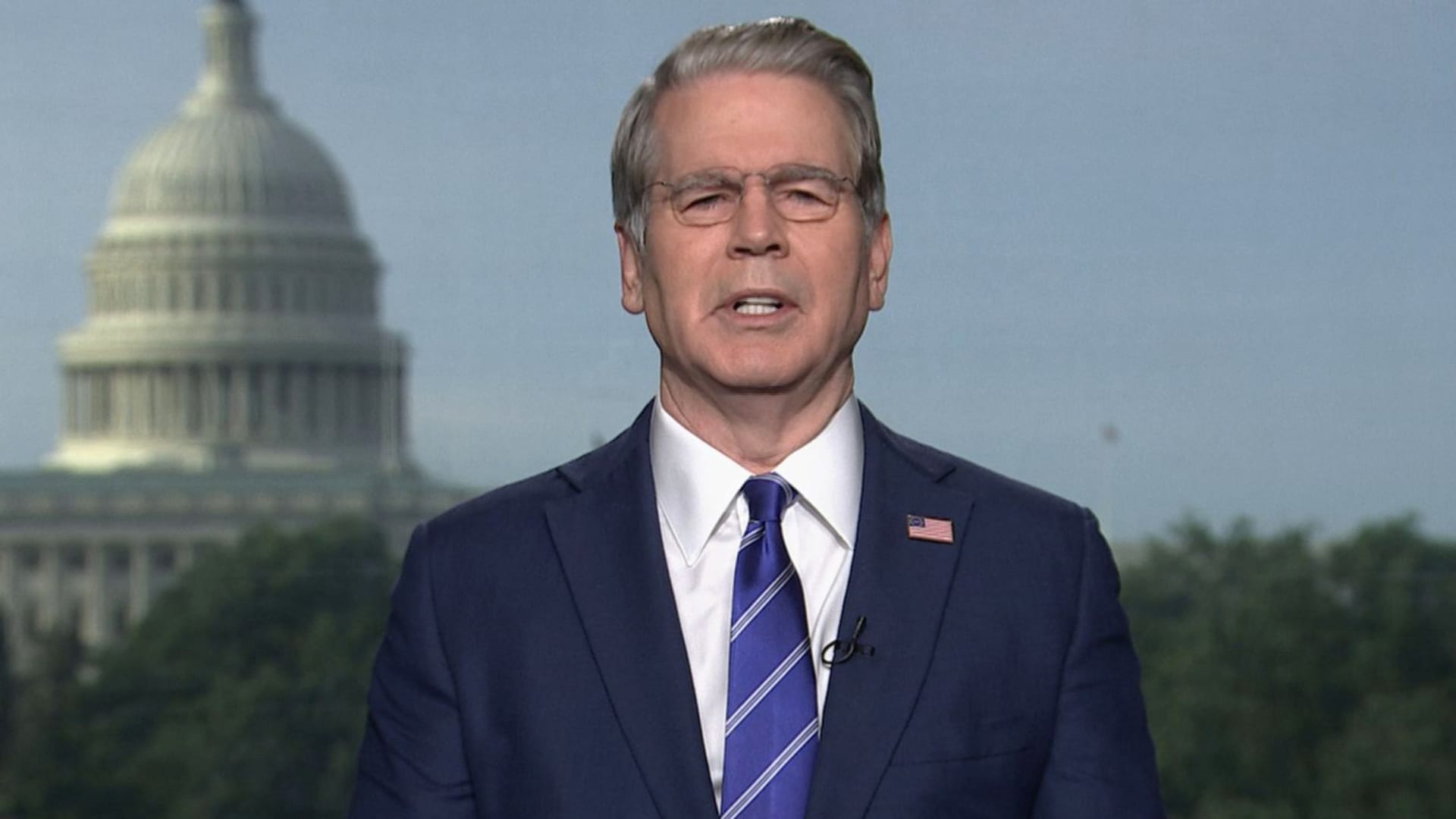
Treasury Secretary Scott Bessent said there is a “very good chance” the U.S. budget deficit has peaked under President Donald Trump, presenting the view as an administration expectation rather than a confirmed result. The bessent budget deficit peaked comment matters because the reported figures still show a large federal shortfall: July’s monthly deficit topped $432 billion, while the fiscal-year-to-date gap had reached almost $1.8 trillion.
Bessent made the remarks in an interview with CNBC’s Sara Eisen, one day after what CNBC called an extraordinary debt-buyback announcement. He said the administration would be “laser focused” on its budget efforts.
Has the U.S. budget deficit peaked?
The available reporting does not establish that it has. CNBC reported that the July deficit was the highest monthly figure in more than half a decade, and that the fiscal-year-to-date deficit was above its level at the same point a year earlier. Those are separate reported measures: one covers July, while the other tracks the fiscal year to date.
An opinion article published by MS NOW, citing the nonpartisan Congressional Budget Office, said the CBO estimated a $2.1 trillion deficit for the year. That figure was about $200 billion higher than the CBO’s February projection, according to the opinion article. The underlying CBO publication was not included in the reporting reviewed here.
What Bessent says the administration is doing
According to CNBC, Bessent said he, Trump and Office of Management and Budget Director Russell Vought were working on fiscal-consolidation measures. Fiscal consolidation generally refers to government steps intended to narrow budget gaps. Bessent said the efforts could generate savings of several hundred billion dollars, an estimate that CNBC reported as his assessment.
The White House has also portrayed broad tariffs as a potential revenue source that could help reduce national debt, CNBC reported. The outlook faces uncertainty because CNBC reported legal setbacks for tariff measures, including a Supreme Court decision that struck down many of them. Bessent nonetheless said he expected this year’s tariff revenue to be roughly in line with 2025 after levies were reimplemented, and that companies should not have to receive refunds this time.
Separate from the deficit figures, CNBC reported that total U.S. government debt had passed $40 trillion. Bessent said there was “nothing magic” about that level and argued the country could grow its way out of it. That is his stated view, not an independently established outcome.
For investors and taxpayers, the immediate takeaway is narrower than the headline claim: Bessent is signaling confidence in a fiscal turnaround, while the latest reported monthly and year-to-date data still describe substantial budget shortfalls.
This story draws on original reporting from CNBC.