FAO funding shortfall raises concerns over food-crisis preparedness
FAO expects voluntary funding to fall 15% in 2025, while experts warn that reduced resources could weaken early monitoring of food risks.
By Priya Nair · Economy Reporter
· 3 min read
The FAO funding shortfall 2025 is raising concerns about how well the UN agency can track and help address emerging food-security threats. The Food and Agriculture Organization expects voluntary contributions to fall as the U.S. pulls back from foreign-assistance programs and other donors reduce aid, although the available evidence does not put a dollar figure on lost U.S. support to FAO itself.
FAO projected voluntary contributions of $1.5 billion for 2025, down from $1.8 billion in 2024, according to its funding paper for a November 2025 Finance Committee meeting. The agency said the 15% decline reflected wider aid-financing trends and donor-specific policy changes, including the termination of most USAID-funded projects.
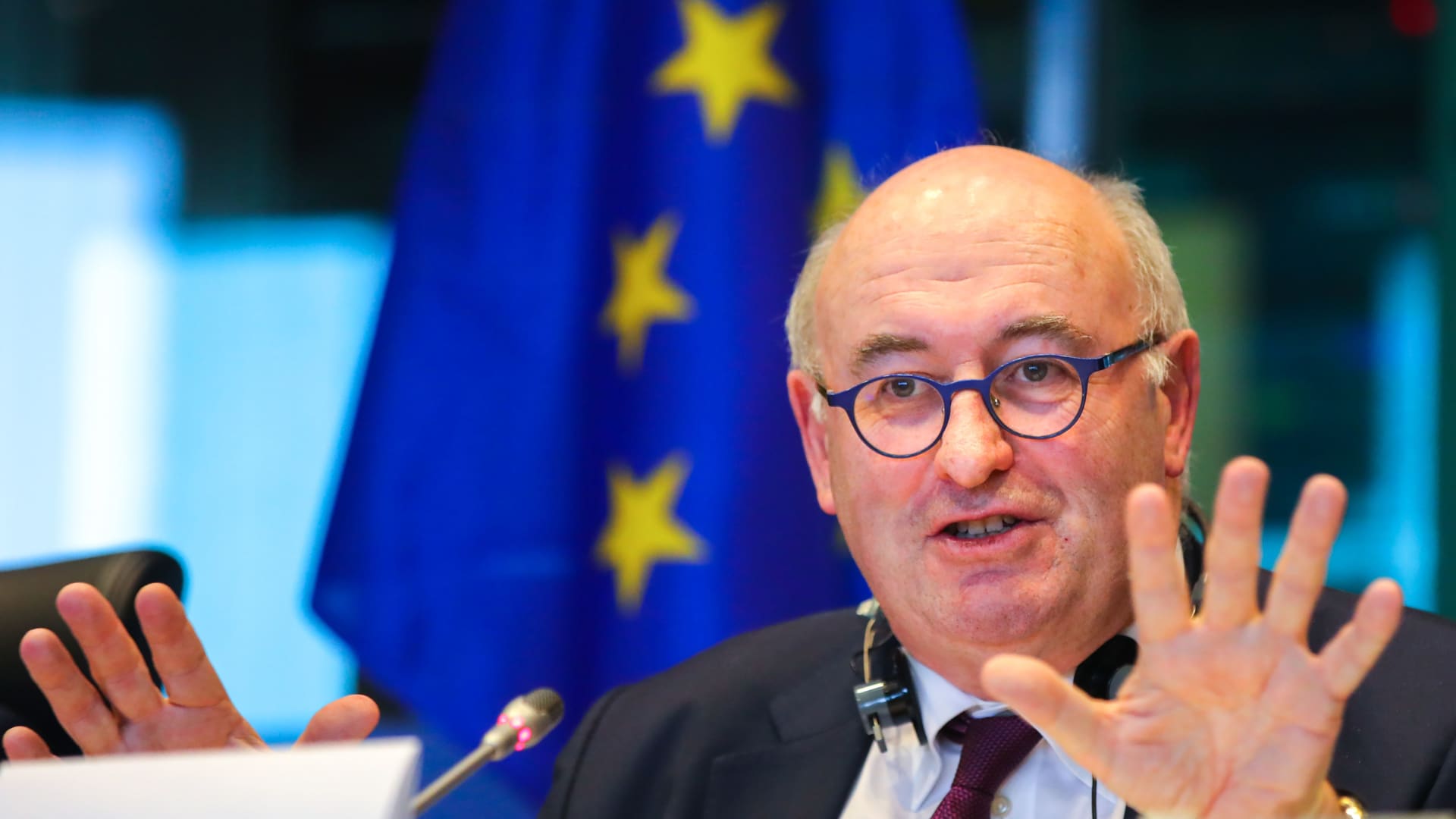
Phil Hogan, a former European Union commissioner running to become FAO director-general, told CNBC that other FAO member countries would need to help cover gaps as Washington withdraws from some programs. He said continued support was needed for work including animal-disease and food-safety issues.
What could the FAO funding shortfall mean for food-crisis warnings?
Chris Barrett, an agricultural and development economist at Cornell University, told CNBC that funding shortages mean less monitoring and surveillance for early warning of potential problems. He said weaker resources could also limit the ability to cushion poor households from sudden food-price increases. Those are expert assessments of potential consequences, rather than a measured finding that FAO’s early-warning coverage has already declined.
The FAO is the UN body whose work includes technical expertise, data and statistics, food standards through the Codex Alimentarius, plant-protection work and support for agricultural resilience. Its own funding paper identifies those functions, along with oversight and statutory bodies, as core areas members want protected.
Its financial pressure extends beyond voluntary grants. FAO said the real purchasing power of its regular program budget fell by the equivalent of $67 million between 2012 and 2023. It said its 2026-27 budget path requires eliminating 177 vacant positions across technical, business and administrative services, representing a $40 million contraction.
Risks are building beyond the funding squeeze
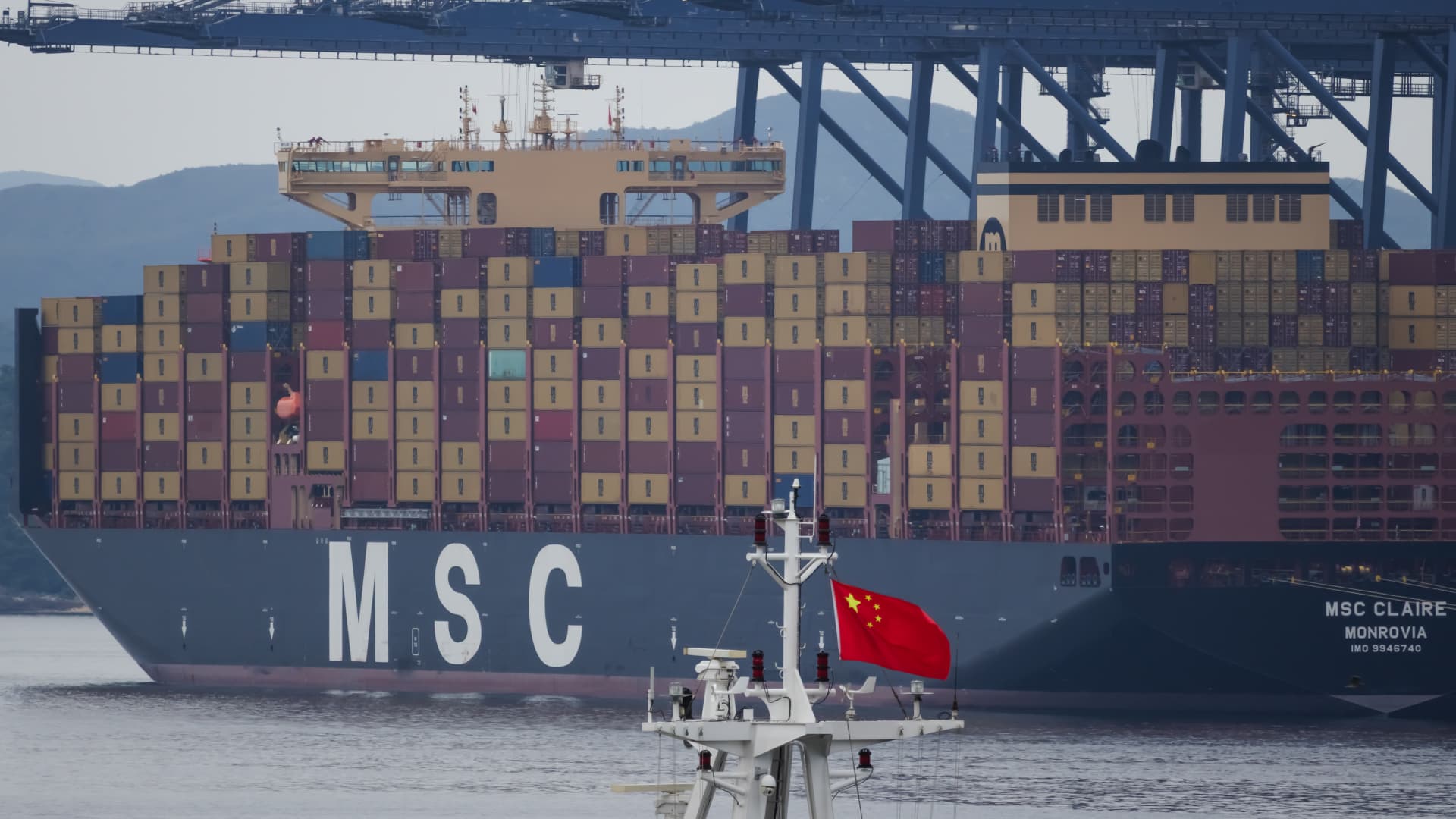
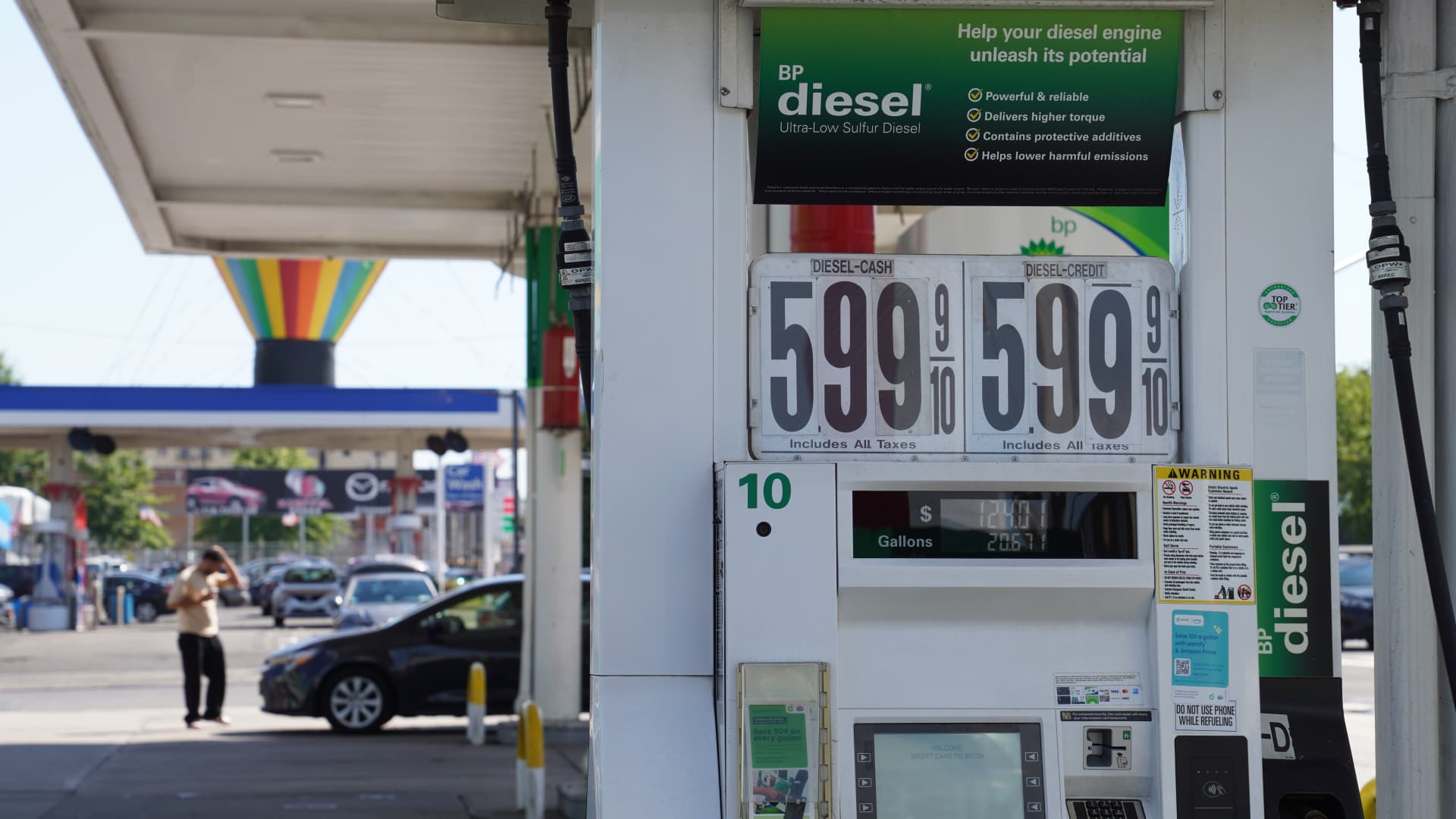
The warnings come as food systems face several separate risks. CNBC reported that the war in Ukraine has disrupted wheat trade through the Black Sea, while the crisis around the Strait of Hormuz has affected fertilizer and energy flows. FAO had warned that poorer countries were especially exposed, and that delayed commodity supplies could reduce output, raise inflation and weaken global growth.
Hogan said the Ukraine war, Hormuz-related conflict and a possible El Niño could contribute to food-related crises in 2027. Chris Newton, a food-security analyst at the International Crisis Group, told CNBC that climate shocks, conflict, fuel disruption, high interest rates and donor cuts have left the world with less capacity to anticipate and respond to major food crises. Those warnings remain forecasts, not confirmed outcomes.
FAO says it has partly cushioned the decline in traditional bilateral aid by broadening its funding base. Emerging partners, including international financial institutions, UN transfers and philanthropic foundations, supplied 50% of voluntary contributions in 2024 and 75% in 2025, according to the agency. FAO also says it is pursuing efficiency measures and internal reforms, though it cautioned that some newer funding sources provide less support for the organization’s underlying operations.
This story draws on original reporting from CNBC.