Fed rate hike odds rose after August inflation reports
Market-implied odds of a September Fed hike climbed from 70% to as high as 90%, but former officials still saw a case for holding steady.
By Priya Nair · Economy Reporter
· 3 min read
Fed rate hike odds in September 2026 rose sharply in the days before the Federal Reserve’s meeting, as inflation reports led traders to price in a higher chance of an increase. The shift reflected market expectations rather than a Federal Open Market Committee decision, and several former Fed officials still saw a credible case for leaving rates unchanged.
CNBC reported on Sept. 10 that CME Group’s FedWatch gauge put the market-implied chance of a rate increase at the following week’s meeting at 70%. It also reported that pricing put the chance of a further increase in December at close to 60%.
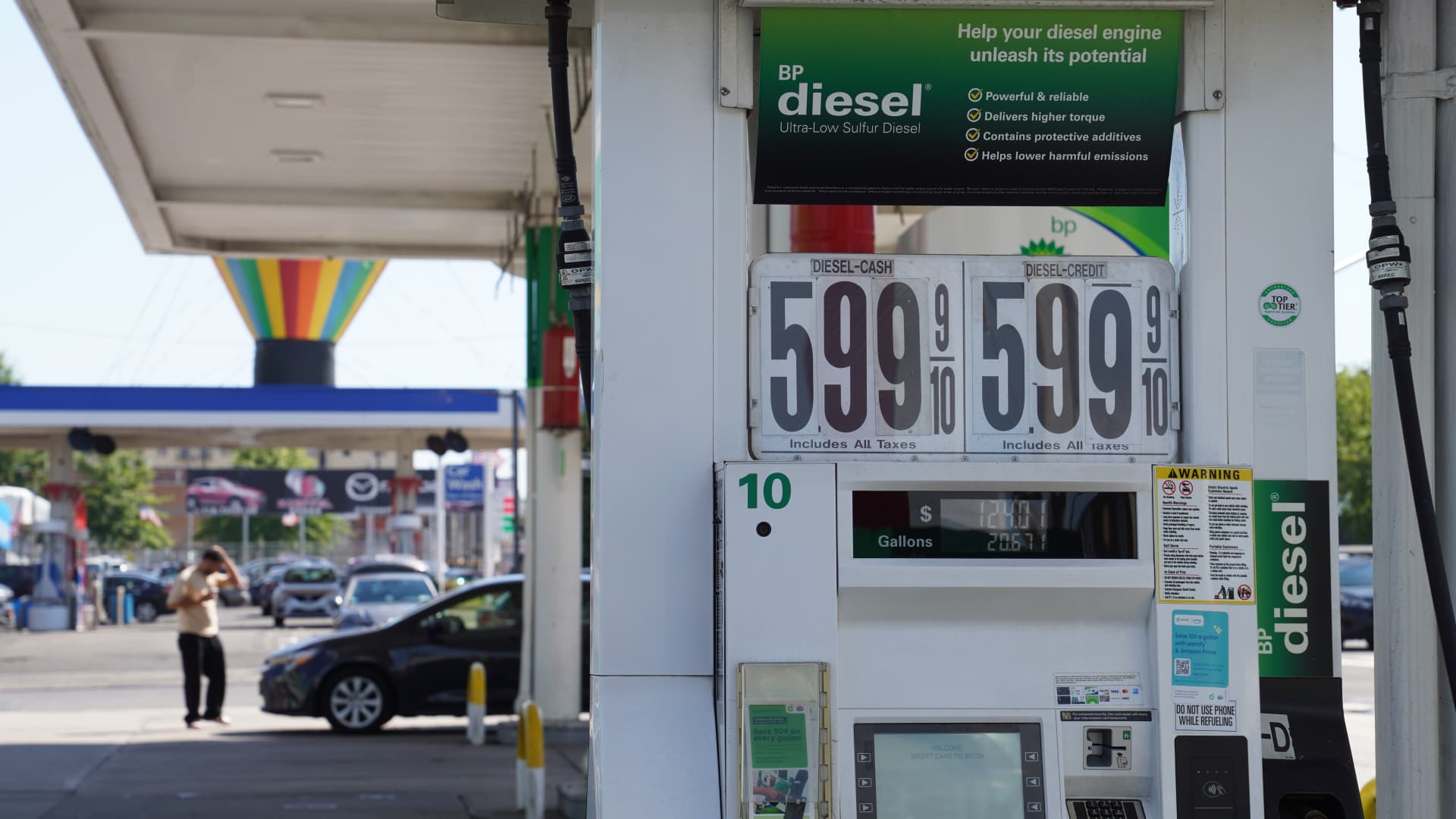
The move followed an August producer price report and a jump in oil. CNBC said the producer price index rose 0.4% in August, after July’s gain was revised to 0.1%. The annual PPI reading reached 5.4%, according to the report. CNBC also reported that U.S. crude rose 4% to just above $100 a barrel as Middle East hostilities intensified.
Why did Fed rate hike odds rise in September 2026?
A few days later, the market’s implied probability increased again after the August consumer price report. Yahoo Finance reported on Sept. 14 that the CPI rose 0.3% for the month, above a 0.2% expectation. Following that release, traders were pricing an 85% to 90% chance of a 25-basis-point increase, or one-quarter of a percentage point, Yahoo reported.
On Sept. 15, an Associated Press report published by ABC7NY said futures prices showed a 90% chance of a Wednesday increase. The report said the probability had risen after the Friday inflation data showed persistent price pressures and core inflation, which excludes food and energy, picked up in August from the previous month.
The timeline shows how quickly expectations changed: 70% after the Sept. 10 producer-price report and oil move, then roughly 85% to 90% after the consumer-price data. Those were readings from market and futures pricing, not a probability issued by the Fed and not confirmation that policymakers would raise rates.
Could the Fed still have held rates steady?
Yes. Yahoo Finance reported that former Cleveland Fed President Loretta Mester believed the market probabilities were higher than she would assign. Former Kansas City Fed President Esther George expected officials to hold rates steady, according to Yahoo, while Peterson Institute for International Economics President Adam Posen also viewed a hold as more likely than not, without ruling out an increase.
The Fed says Congress has tasked it with pursuing maximum employment and stable prices. Its main policy tool is the target range for the federal funds rate, the rate tied to overnight borrowing by banks. Raising that target range is known as monetary tightening, and the Fed says it may be appropriate when inflation is too high.
For investors, the key distinction was between a fast-changing market view and the actual policy decision. The available reporting documented rising expectations before the meeting, not the meeting’s result.
This story draws on original reporting from CNBC.