Report: U.S. removes B-1 bombers from RAF Fairford after security incident
CNBC, citing an AP report based on an unnamed Pentagon official, said B-1s left RAF Fairford as tanker attacks were reported near Iran.
By Theo Nakamura · Staff Writer
· 3 min read
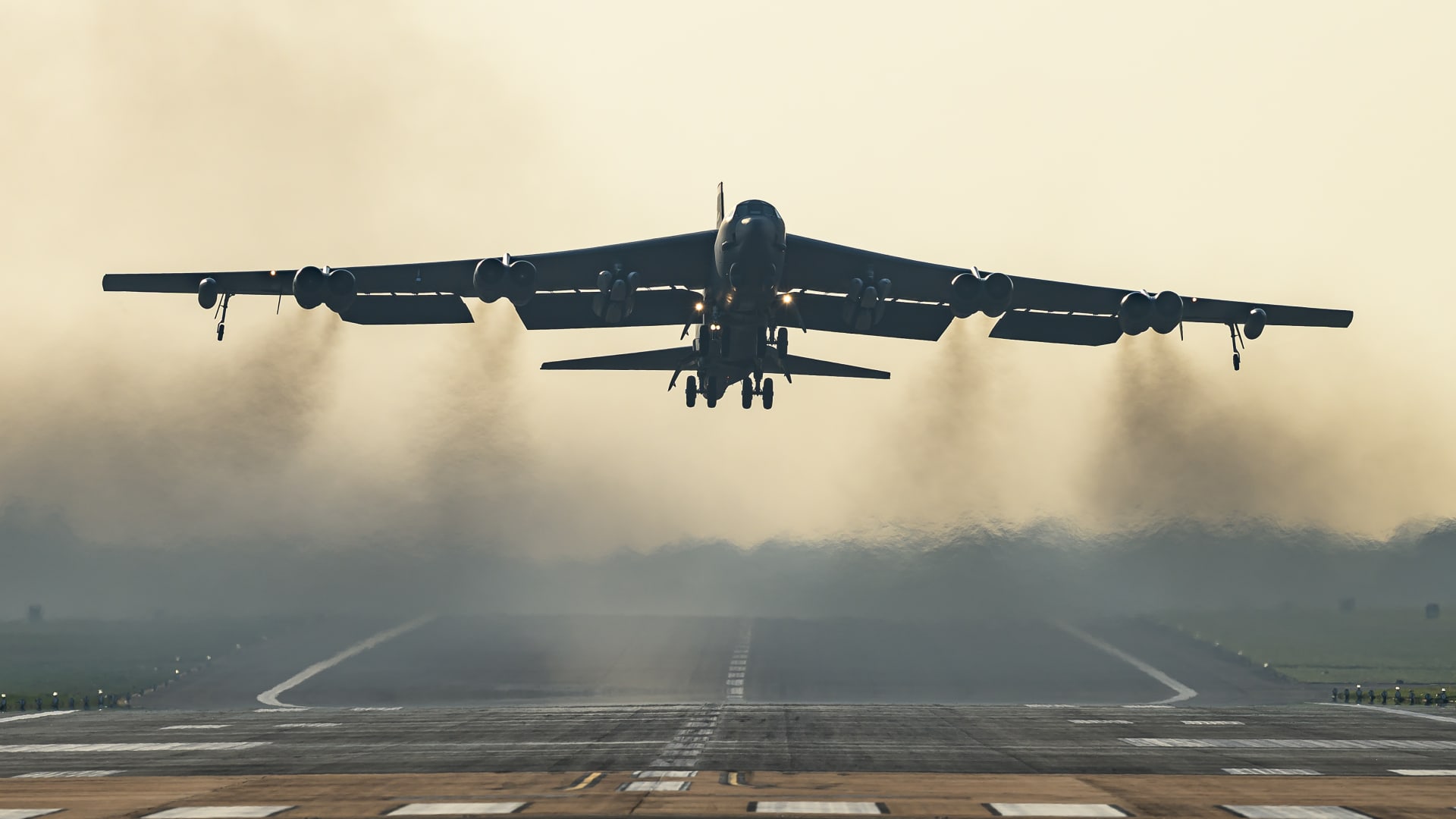
CNBC reported that U.S. B-1 bombers have left RAF Fairford, a British air base used by American forces, following a security incident near the site. The report is relevant for investors because CNBC said attacks on shipping and the prospect of wider conflict had pushed energy prices higher in recent weeks, though the evidence provided does not establish a connection between the aircraft movement and the reported tanker incidents.
The account of the RAF Fairford B-1 bombers is attributed to an Associated Press report that cited an unnamed Pentagon official. According to CNBC, the aircraft returned to their home bases in the United States. There was no public Pentagon or U.S. Air Force confirmation in the available material.
That distinction matters: the reporting concerns B-1 bombers, not every U.S. aircraft at Fairford. CNBC said aviation observers had seen both B-1s and B-52s operating from the base, and had observed many B-1s departing on Sunday. The material does not say whether B-52s left.
Why were B-1 bombers removed from RAF Fairford?
The reported redeployment followed a counterterrorism investigation near the base, but British authorities had not publicly established a motive or responsibility for the suspected plot.
Reuters reported that British police arrested five men near RAF Fairford on Sept. 27 after receiving a tip about three suspicious vans apparently heading toward the airfield. The men were held on suspicion of preparing a terrorist act, while a 400-meter cordon was put in place and about 85 nearby households were evacuated as bomb-disposal personnel examined the vehicles.
Police said the investigation was in its early stages and that the incident appeared contained, Reuters reported. A source familiar with the investigation said an Iran-linked motive was viewed as the leading possibility, but Russian sabotage and an Islamist plot were also being considered. Iran’s involvement has not been established. The U.S. Air Force declined to discuss specific protective measures, Reuters said.
RAF Fairford, in western England, has been used by U.S. bombers in operations against Iranian missile sites, according to Reuters and the Associated Press report carried by PBS.
What was reported about tankers near Iran?
Separately, the United Kingdom Maritime Trade Operations centre, a British maritime-security alert service, reported at least two vessel strikes over the weekend, according to CNBC. One crude-oil tanker was reportedly hit by an unknown projectile four nautical miles east of Oman on Saturday. A second tanker was reportedly struck in the Strait of Hormuz on Sunday, damaging its engine room.
The reports did not identify the vessels, attackers or weapon involved, and did not report casualties. CNBC said roughly one-fifth of global oil supplies had moved through the Strait of Hormuz before the war described in its report.
Iranian Parliament Speaker Mohammad Bagher Ghalibaf said the strait would remain closed until Tehran’s conditions for ending the conflict with the United States were met, according to Iranian state outlet Nour News as cited by CNBC. That was an Iranian position, not an independently verified outcome.
Readers can review CNBC’s report on the B-1 redeployment and maritime alerts.
This story draws on original reporting from CNBC.