Google worker Charles Broomfield keeps core expenses under $20,000
Charles Broomfield expects to earn $323,000 in 2026, but CNBC reports his under-$20,000 figure covers core living costs, not all cash outflows.
By Dev Ramirez · Crypto Correspondent
· 3 min read
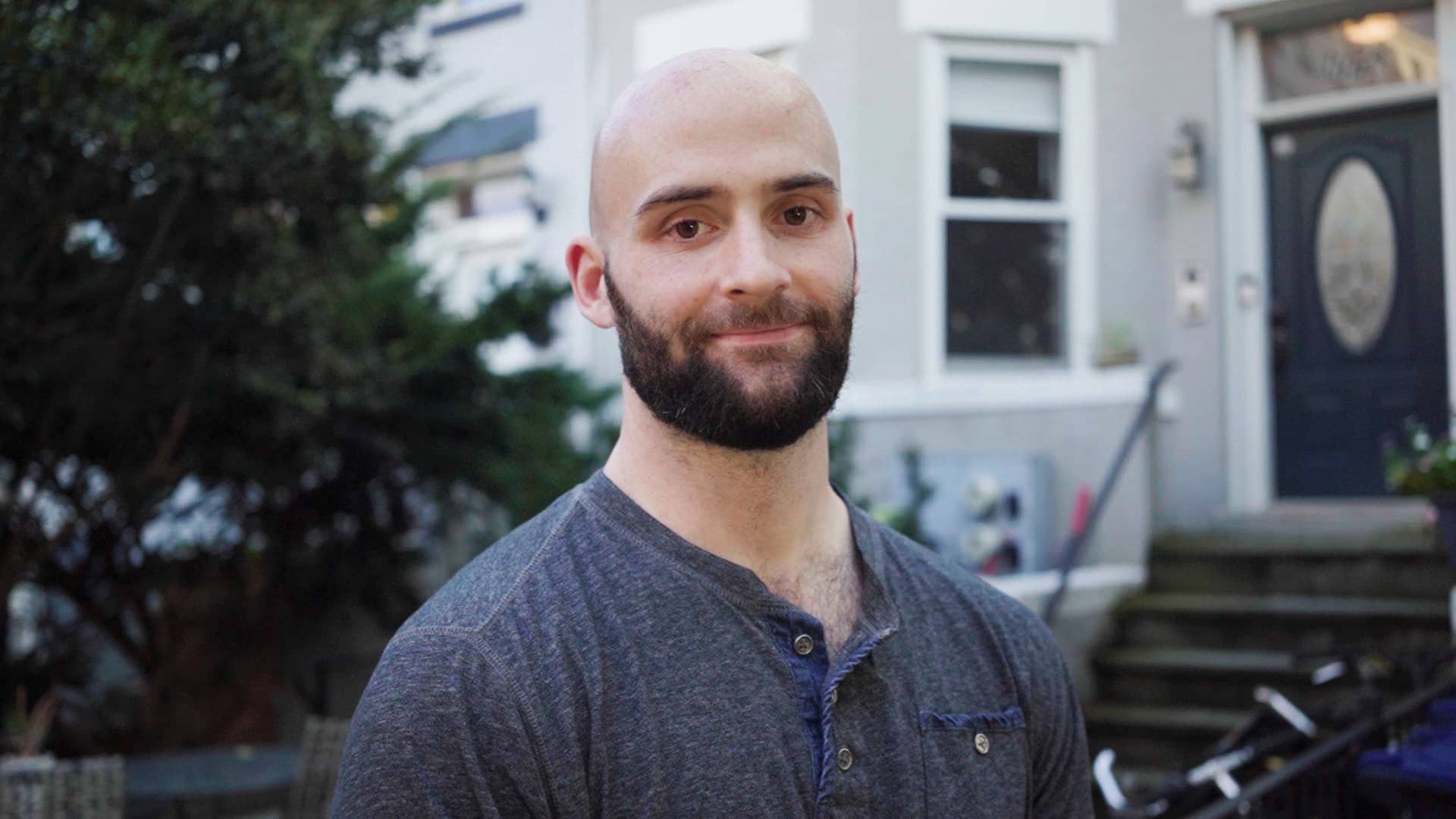
Google worker $323,000 spending has drawn attention because the numbers describe two very different parts of Charles Broomfield’s budget. CNBC reports that the 26-year-old Google AI security analyst and YouTuber expects to earn about $323,000 in 2026 while keeping annual core living expenses below $20,000. For an investor or saver reading the headline, the key detail is that this expense figure excludes money he puts into investments and payments toward graduate-school tuition.
CNBC compared Broomfield’s annual core spending with about $23,700, the estimated annual pay of a full-time minimum-wage worker averaged across all 50 states. That comparison does not describe Broomfield’s pay rate, total spending, or Washington-area minimum wage. It is a comparison between his basic annual living costs and a nationwide average estimate of annual minimum-wage earnings.
What does Charles Broomfield’s under-$20,000 spending figure include?
His August budget shows the distinction. CNBC reported core expenses of $1,477 for that month, excluding savings, investments and graduate-school tuition payments. The core total consisted of $1,098 for rent and utilities, $229 for a kickboxing gym, $59 in discretionary spending, $48 for transportation, $28 for food, and $15 for dental and renters insurance.
Separate from those core costs, Broomfield put $17,931 into a 401(k) and a taxable brokerage account in August, according to CNBC. He also paid $700 on a zero-interest employer tuition-repayment plan from a former employer. The listed August outflows therefore reached $20,108 when investments and the repayment are included, illustrating why the core-expense label matters.
CNBC said about 90% of his income went toward savings and investments that month, a share Broomfield described as fairly typical. Of the August investment total, about $7,931 went to his 401(k) and $10,000 to a taxable brokerage account.
How does Broomfield keep his living costs low?
Housing is his largest basic expense. Broomfield shares a Washington, D.C.-area apartment with four roommates, an arrangement CNBC said saves him about $1,000 a month versus renting a one-bedroom nearby. He does not own a car and generally walks, bikes or uses public transportation. Google covers his daily Metro commute, CNBC reported.
He also eats most meals at work. CNBC said his food spending has averaged about $70 a month since he joined Google, down from roughly $200 previously. His $28 August food bill was lower than usual because he had ingredients remaining from July.
Broomfield said his objective is to reach $750,000 in investments within the next year, ahead of his original goal of reaching that amount before age 30. He began pursuing financial independence after college and moved to Northern Virginia following his 2022 graduation from Knox College for a job paying more than $100,000 annually, CNBC reported.
His approach is personal rather than a general template. Broomfield told CNBC that he does not expect others to follow it exactly and said he is particularly well positioned to live this way.
This story draws on original reporting from CNBC.