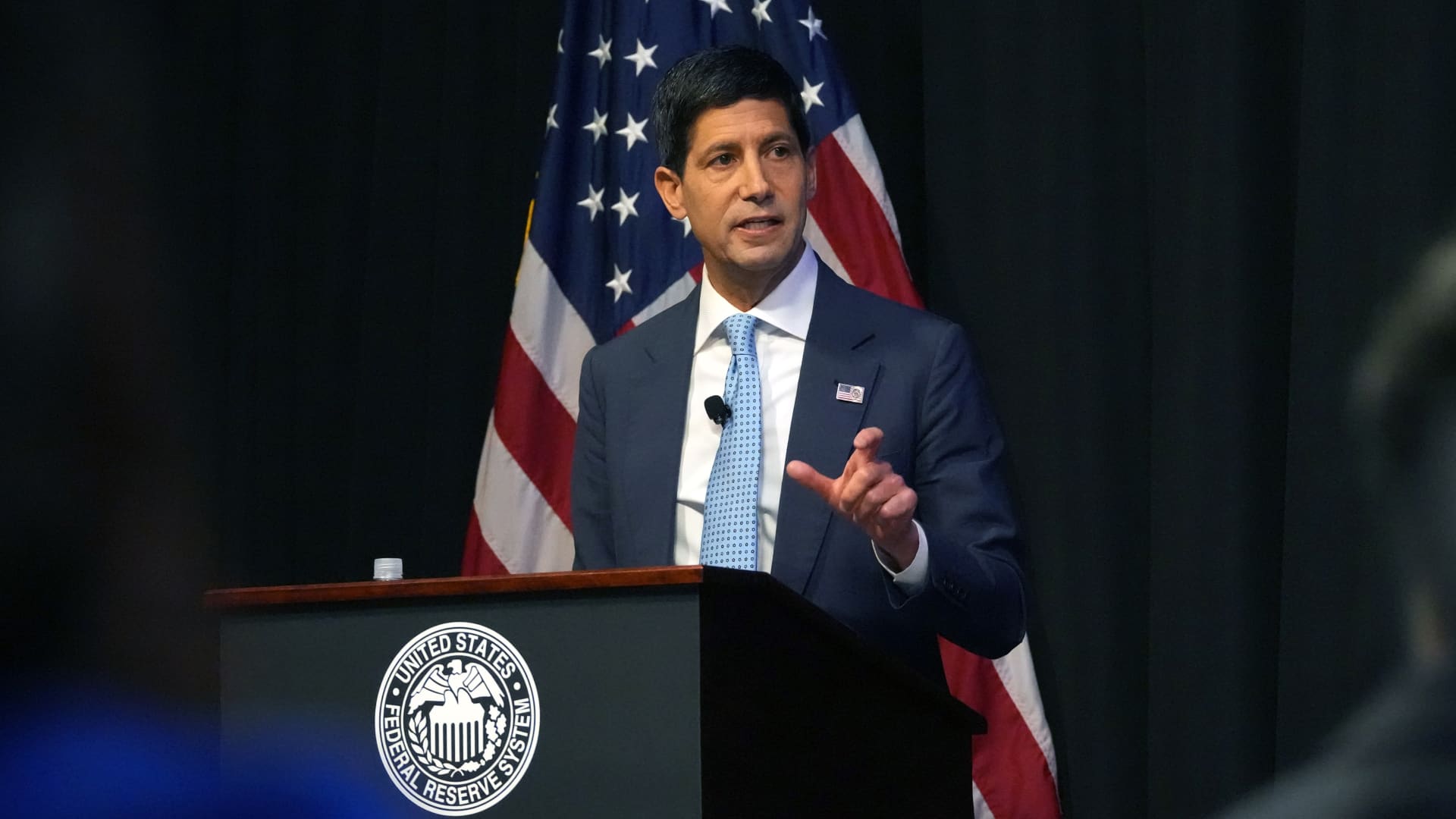
Musalem says several rate hikes may be needed by spring 2027
St. Louis Fed President Alberto Musalem said persistent inflation may require several rate increases, though he does not vote on the moves discussed.
By Sofia Marchetti · Columnist
· 2 min read
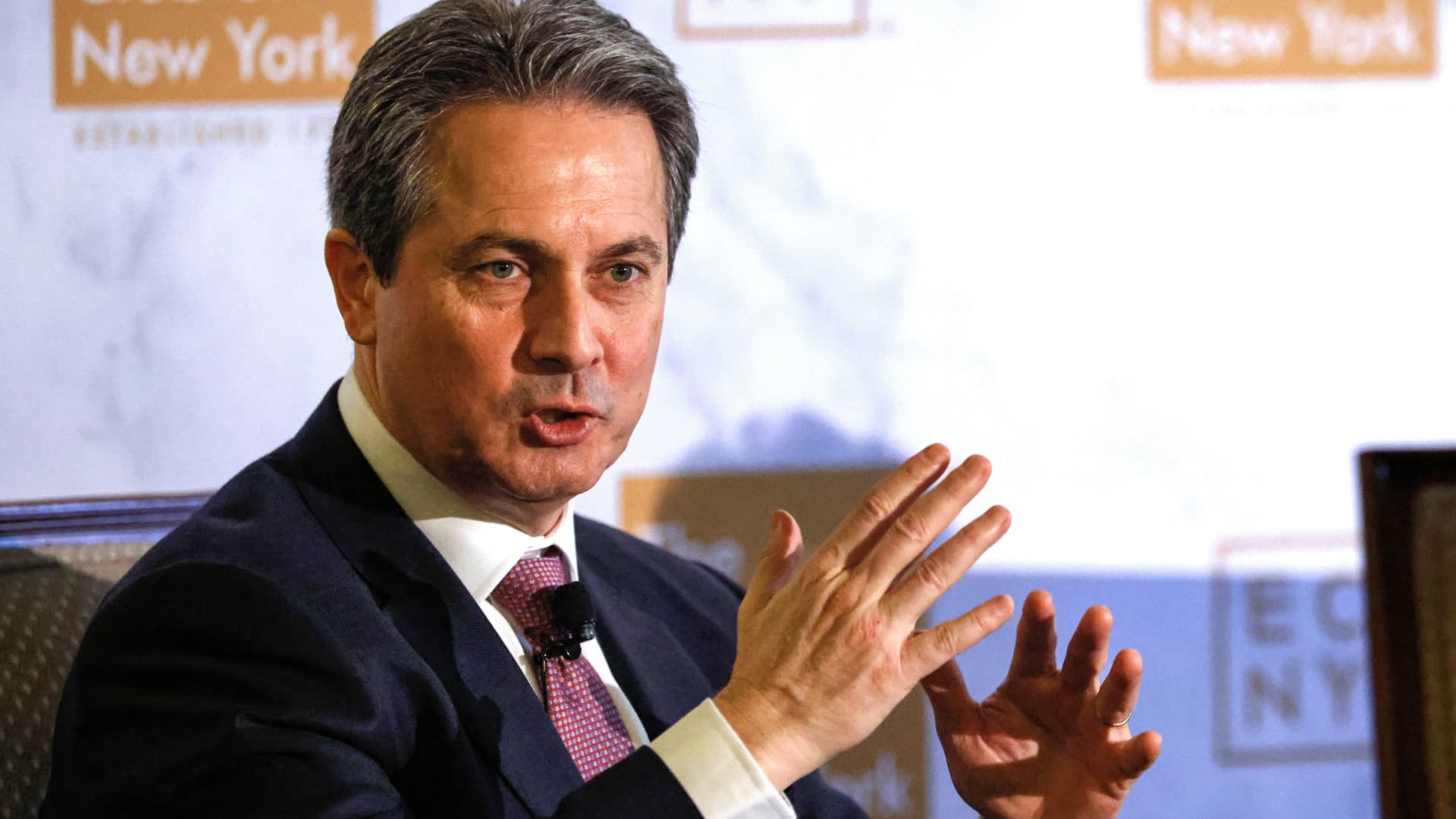
St. Louis Fed President Alberto Musalem said musalem rate hikes could include several increases before spring 2027, arguing that inflation may not return to the Federal Reserve’s 2% goal quickly without tighter policy. For investors and borrowers watching the Fed, his remarks signal a preference for higher rates, though they are neither a policy decision nor a commitment by the central bank.
In prepared remarks for a Central Bank of Argentina conference in Buenos Aires on Nov. 17, Musalem said the economy would probably need several interest-rate increases to restore price stability in a timely way, according to Reuters. He said inflation was running above 3% and described the risks as tilted toward inflation staying above the Fed’s target.
Musalem’s view rests on his assessment that demand remains strong, supply pressures continue and the current level of policy is not materially holding back economic growth. He said acting earlier, while inflation expectations remain anchored, would give the Fed a better chance to lower inflation without adverse effects on employment or economic growth.
Did Musalem call for four rate hikes?
No. Musalem said “several” increases may be needed; he did not prescribe four specific moves. CNBC said his estimate could imply increases at the Fed’s December, January, March and April meetings, which is where the four-hike framing comes from.
The distinction comes down to the real policy rate, meaning the Fed’s benchmark rate after accounting for inflation. Musalem said he wants that inflation-adjusted rate to reach 2% to 2.5% by next spring and estimated it was about one percentage point below that range. The federal-funds target range was 3.75% to 4%, CNBC reported.
His preferred path is conditional, not certain. Musalem said a no-hike outcome was unlikely but plausible if lower energy and shipping costs eased price pressures, productivity improved, or spending on artificial intelligence slowed enough to cool demand. In that case, inflation could move back toward target over 18 months, he said.
Musalem participates in the policy debate and provides projections, but he is not a voting member of the Federal Open Market Committee during the period he discussed. CNBC reported that his next vote is scheduled for 2028. That means his comments add to the case for tighter policy, but the rate decisions will be made by the committee’s voting members.
This story draws on original reporting from CNBC.