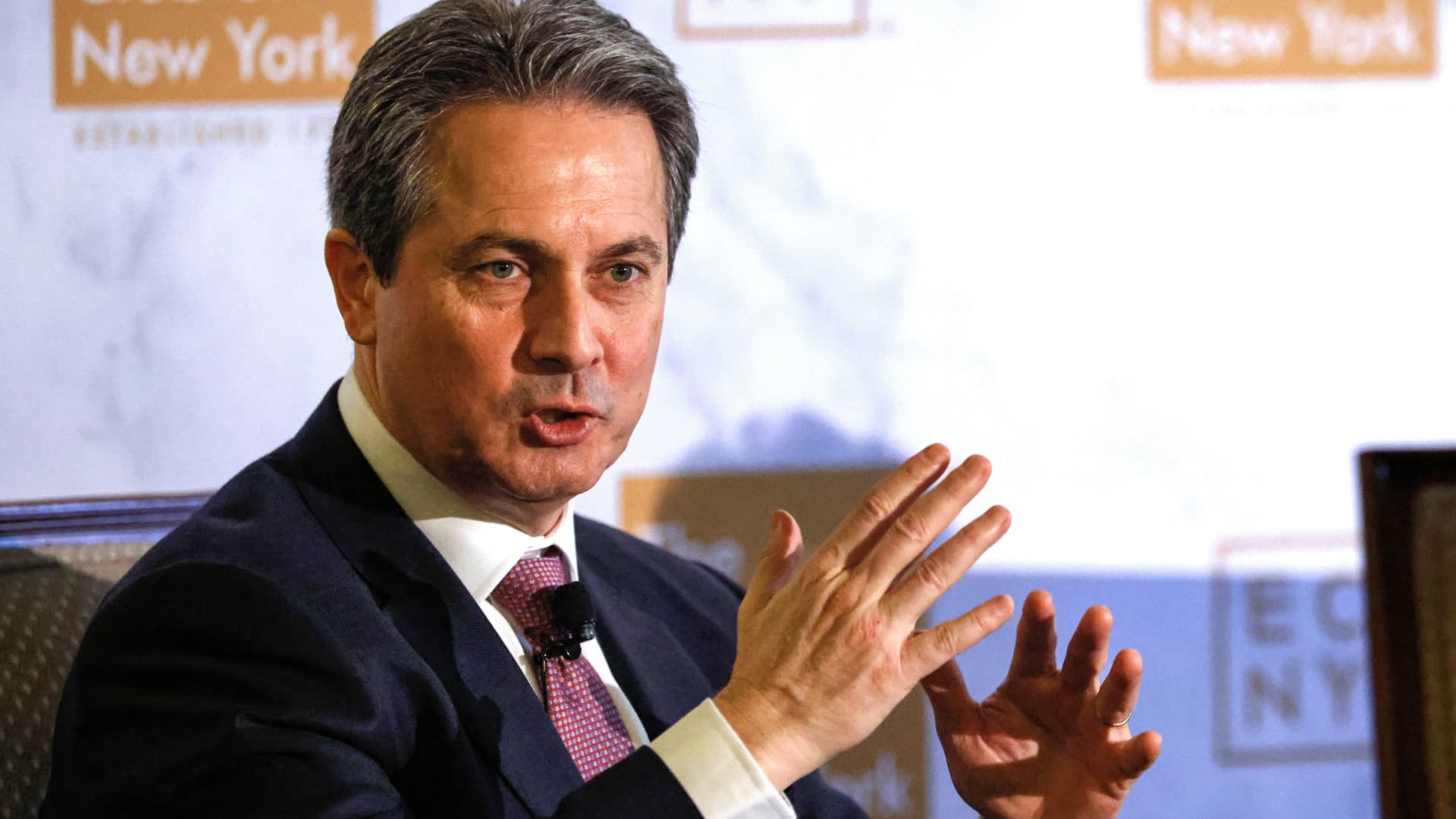
Kevin Warsh opens Fed inquiry into AI’s effect on jobs and policy
Fed Chair Kevin Warsh’s new AI task force is weighing outcomes for productivity, jobs and prices, with no immediate rate conclusion.
By Maya Okafor · Markets Writer
· 3 min read
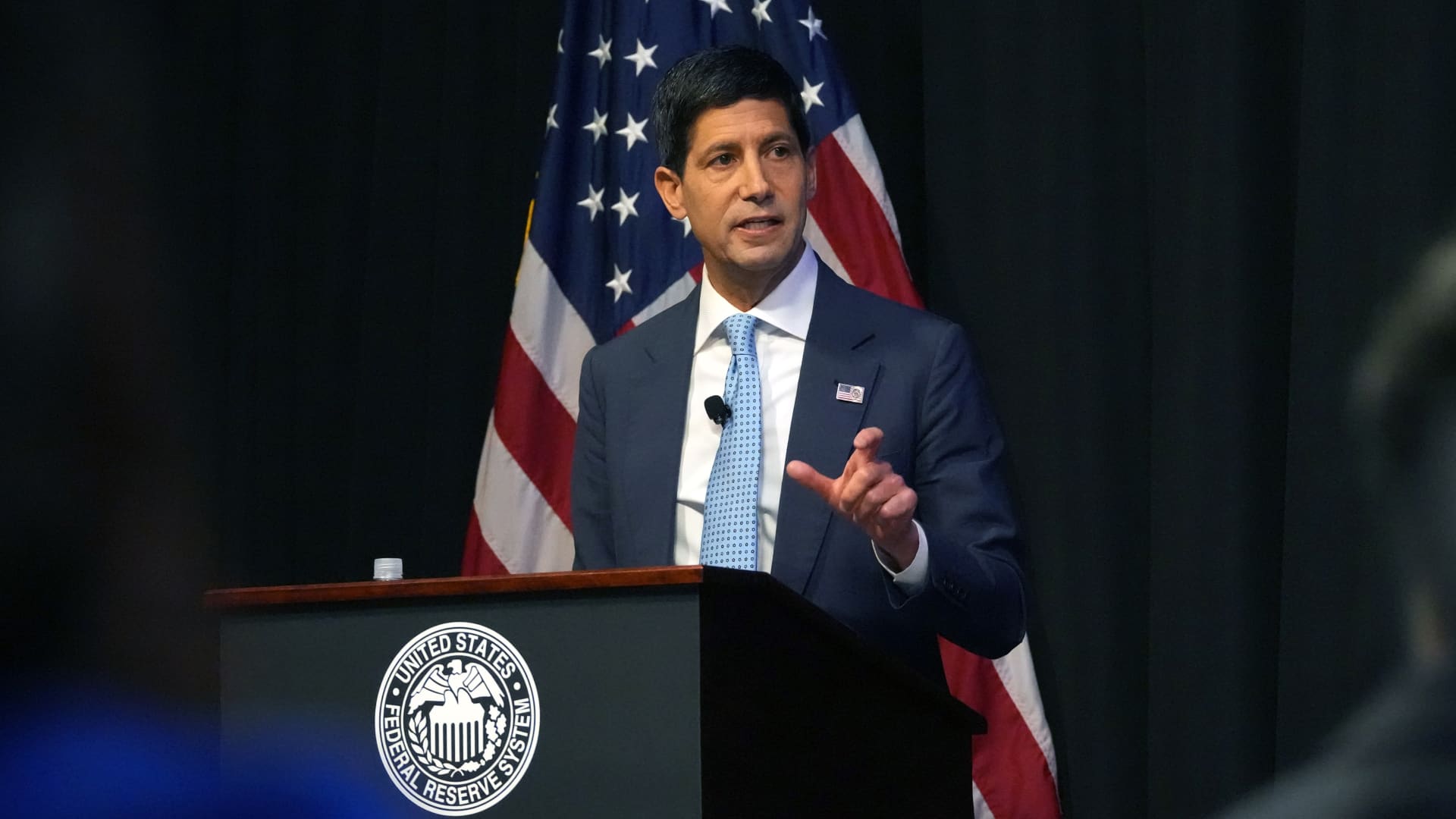
Kevin Warsh AI Fed policy is now the subject of a formal Federal Reserve inquiry. On Nov. 16, Warsh opened the Productivity and Jobs Task Force’s first conference at the Federal Reserve Bank of San Francisco, examining how artificial intelligence could affect productivity, employment and the wider economy, according to Yahoo Finance. For investors, the important point is that the Fed is studying several sharply different economic outcomes, rather than treating AI as a clear reason to raise or cut interest rates.
The Fed lists the Productivity and Jobs group as one of five chairman’s task forces focused on monetary policy. Warsh said widespread adoption of AI could have important implications for monetary policy over time, while emphasizing questions about its scale, timing, duration and reach, Yahoo Finance reported.
The inquiry connects directly to the Fed’s dual mandate: maximum employment and stable prices. The central bank says it judges 2% annual inflation, measured by the personal consumption expenditures price index, as consistent with its longer-run price-stability goal.
How could AI affect Fed interest-rate policy?
The answer depends on what AI does in the real economy. The Fed influences short-term interest rates and broader financial conditions as it pursues its employment and price-stability goals. Changes in the federal-funds-rate target can affect other borrowing rates, financial conditions, household and business spending, employment and inflation, according to the Fed.
Warsh outlined three possible paths for AI at the conference, according to Yahoo Finance:
- Broad gains: Productivity rises and the benefits are shared by workers and capital owners. In this scenario, inflation-adjusted economic growth stays above its long-run average while employment remains near full employment.
- Growth with disruption: Productivity and output improve, but AI displaces substantial numbers of workers, pushing unemployment higher.
- An investment disappointment: Heavy investment and higher equity valuations fail to generate the expected returns. Warsh said this path could bring slower growth and a larger increase in unemployment before a later recovery without the anticipated productivity improvement.
Those are scenarios, not Fed forecasts. The conference also considered whether AI could reduce the cost of providing services such as administrative or legal work. CNBC reported that Warsh asked whether that could bring medium-term disinflation, meaning slower price increases. Panelists said it was possible, but neither Warsh nor the Fed announced an interest-rate implication.
That uncertainty is central to the task force’s purpose. A technology that improves output, alters hiring or changes service costs could show up in different parts of the Fed’s economic data, and possibly at different times. Warsh has said policymakers need to weigh both AI’s opportunities and its risks, Yahoo Finance reported.
For now, the concrete development is the Fed’s decision to investigate those questions through a dedicated task force. The evidence from the conference does not support an immediate conclusion about future rate moves. The next scheduled Federal Open Market Committee meeting is Dec. 8-9, according to the Fed, but its calendar is not a signal of a planned action.
This story draws on original reporting from CNBC.