Calculated Risk flags slower housing starts in weekly real estate roundup
Bill McBride’s Calculated Risk highlighted a drop in October housing starts and several other housing-market signals in its latest weekly update.
By Maya Okafor · Markets Writer
· 2 min read
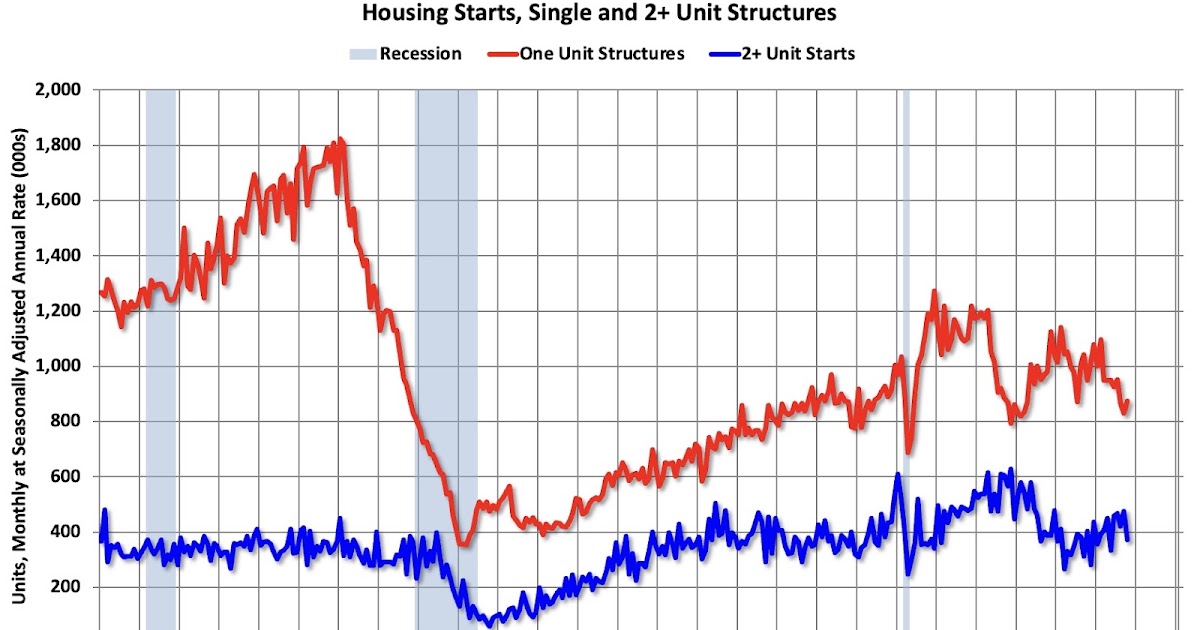
Calculated Risk’s latest real estate roundup put new-home construction back in focus, with the newsletter saying housing starts fell to a 1.246 million annual rate in October. For everyday investors, that number is one of the cleaner reads on how builders are responding to mortgage rates, buyer demand and inventory.
Housing starts measure the pace of new residential construction that has begun. The “annual rate” means the monthly pace is expressed as if it continued for a full year, which makes it easier to compare one report with another. Calculated Risk, the housing and economics site run by Bill McBride, listed the October decline as the lead item in its weekly real estate newsletter.
The roundup also pointed readers to an update on what McBride called the “Home ATM” mostly closing in the third quarter. That phrase refers to homeowners extracting cash from home equity, usually through refinancing, home-equity loans or similar borrowing. When that channel slows, homeowners may have less housing-related cash available for spending, debt repayment or renovations.
Calculated Risk also included an early look at local housing markets in December. Local data can matter because national housing numbers often hide sharp differences between metro areas. A market with tight supply can behave very differently from one where listings are rising, even when both are counted in the same national release.
Another item in the weekly list focused on asking rents declining from a year earlier. Asking rent is the price landlords are advertising for available units, rather than the rent tenants are already paying under existing leases. Investors watch that measure because it can feed into apartment-owner revenue, inflation data and expectations for new multifamily construction.
The newsletter also revisited mortgage debt as a share of gross domestic product in the context of the housing bubble. Gross domestic product, or GDP, is the broad measure of economic output. Comparing mortgage debt with GDP gives readers a way to judge the size of household housing debt against the overall economy.
What the roundup covered
- October housing starts falling to a 1.246 million annual rate, according to Calculated Risk.
- A third-quarter update on home-equity cash extraction.
- An initial look at December local housing markets.
- Year-over-year declines in asking rents.
- An update on mortgage debt as a percentage of GDP.
Calculated Risk said its real estate newsletter is usually published four to six times per week and provides more detailed housing-market analysis. The Substack publication is listed as having more than 40,000 subscribers.
This story draws on original reporting from Calculated Risk.