Hormuz shipping rebounds after U.S.-Iran deal, but risks keep insurers wary
Traffic through the Strait of Hormuz has picked up after a truce, but a new cargo ship attack has kept shipowners cautious.
By Sofia Marchetti · Columnist
· 3 min read
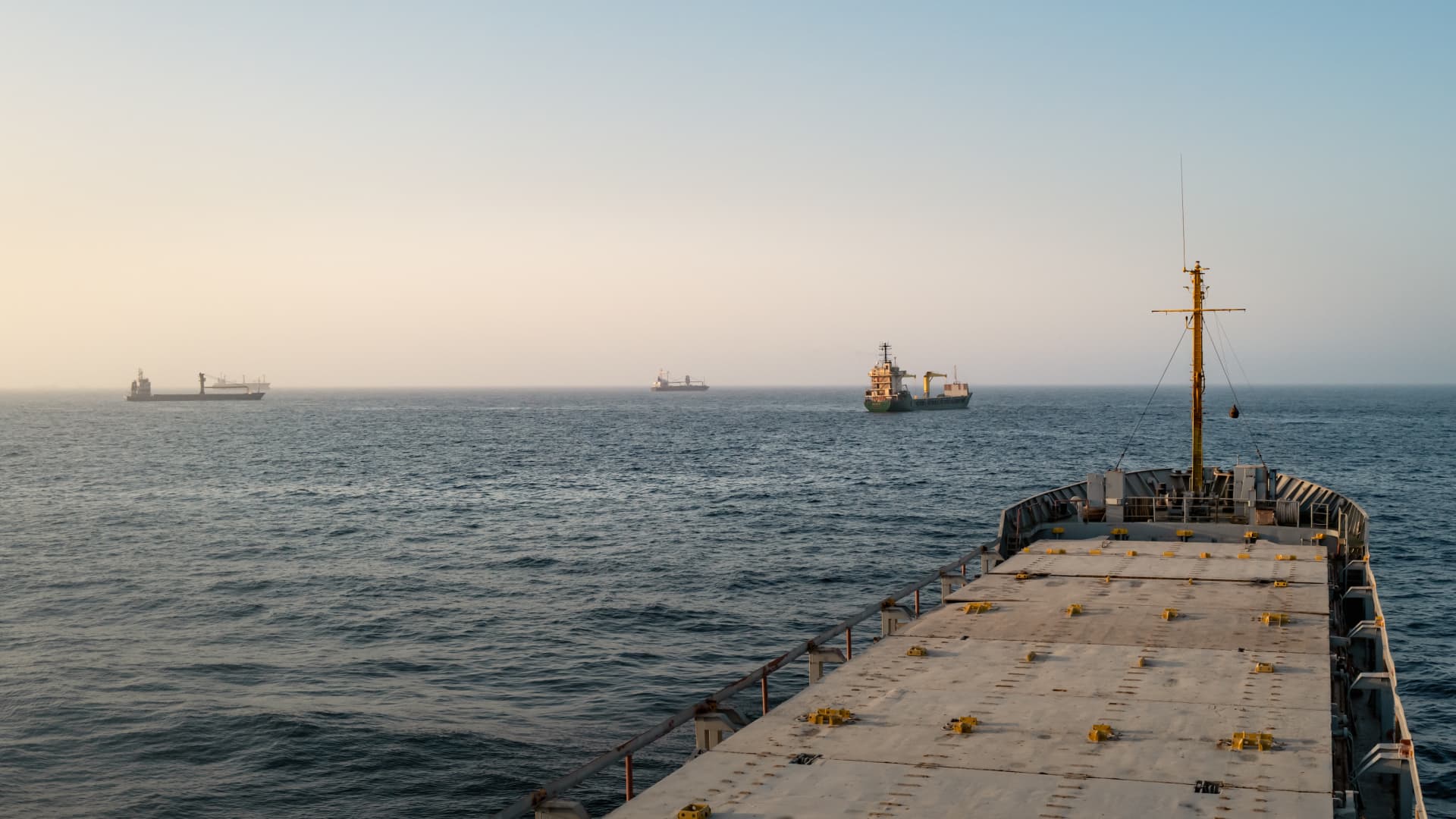
Shipping through the Strait of Hormuz is picking up after the U.S. and Iran agreed to reopen the waterway, a key route for global energy markets. For everyday investors, the strait matters because it normally carries about 20% of the world’s oil traffic, so delays there can feed into crude supply concerns and shipping costs.
Traffic has rebounded from wartime lows, according to shipping data cited by CNBC. In the week after the ceasefire announcement, 125 vessel transits were recorded from June 15 through June 21, the highest weekly tally since the war began in late February. Tankers moved quickly to carry stored Gulf crude before the 60-day truce period runs out.
AXS Marine reported 62 commercial vessel crossings on June 24, the highest one-day count since the conflict started. That was still only 53% of the traffic recorded on the same date last year, showing that the reopening remains partial.
The recovery hit a fresh test after the Islamic Revolutionary Guard Corps said Wednesday that ships must use its northern route and follow Iranian routing orders. Hours later, the Ever Lovely, a Singapore-flagged Evergreen container ship, was hit on its starboard side by a projectile off Oman’s coast. A U.S. official said the IRGC carried out the strike, CNBC reported. It was the first cargo-vessel attack since the ceasefire began.
The attack also paused a United Nations evacuation plan and caused some tankers to turn back, according to CNBC. The strait now has competing routes: a northern corridor under Iranian control and a southern passage through Omani waters, backed by Oman’s navigational guidance and U.S. Navy oversight. The pre-war commercial lane remains shut because of mines.
Shipowners face a route and insurance problem
A chokepoint is a narrow passage that concentrates a large share of trade into limited space. In Hormuz, that makes the route especially sensitive to military risk, routing disputes and insurance costs.
Tim Huxley, CEO of Singapore-based Mandarin Shipping, told CNBC that his company, which manages 50 vessels globally, has kept all of them out of the strait. He said shipowners are waiting for clearer rules before sending vessels, cargo and crews through the area.
“Insurance premiums are still very high on ships and cargoes going through the straits,” Huxley told CNBC. “Until there is a more concrete set of guidelines on safe navigation, people are going to be very reticent to go through.”
Han Shen Lin, China country director at The Asia Group, told CNBC that war-risk premiums have risen from 0.05% to more than 0.7% of a ship’s hull value per transit. War-risk insurance is extra coverage for damage or loss tied to conflict. Higher premiums can make a voyage far more expensive even if the ship arrives safely.
Some companies are choosing limited exposure rather than a full return. Bruce Tan, a Singapore-based electronics manufacturer, told CNBC he had resumed shipments to Middle East clients after holding them back for four months, but only in small batches. He is also using alternative corridors for some orders in case the strait closes again.
Aristidis Alafouzos, CEO of Greece-based crude oil shipper Okeanis Eco Tankers, told CNBC’s “Squawk Box Europe” that he does not expect Thursday’s attack in the Gulf of Oman to significantly change the recent rise in transits. He said crude shipments from Kuwait and the United Arab Emirates had increased, while Saudi exports from inside the Arabian Gulf remained limited, with shipments instead coming from Yanbu on the Red Sea.
The market signal is mixed: more ships are moving, but the rules, risks and insurance costs remain unsettled. Until companies get clearer guidance on who controls safe passage and how future tolls or sanctions may apply, the rebound through Hormuz is likely to stay cautious.
This story draws on original reporting from CNBC.