Iran tells ships to get approval before Hormuz transits
Tehran’s warning keeps pressure on a key oil route, even after a U.S.-Iran agreement aimed at reopening the Strait of Hormuz.
By Maya Okafor · Markets Writer
· 3 min read
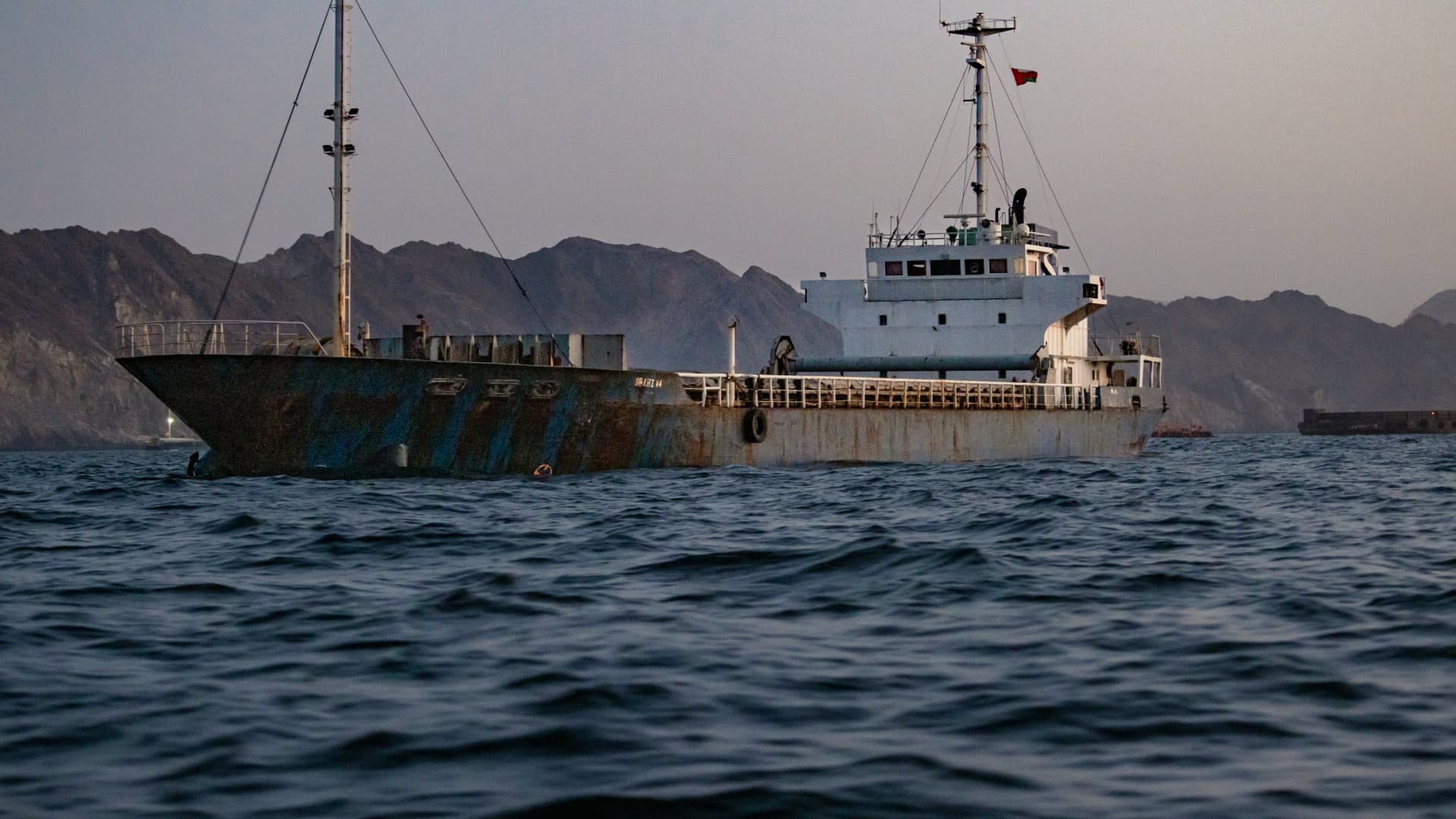
Iran is telling shipowners they need its approval to move through the Strait of Hormuz, keeping a major energy chokepoint under pressure just as traffic starts to recover. For everyday investors, the issue is straightforward: when a key oil and gas route looks risky, shipping costs, delivery timing and energy prices can all become more volatile.
Iran’s Islamic Revolutionary Guard Corps Navy said Wednesday that any new route through the strait set up without coordination with Tehran is “unacceptable and dangerous,” according to Iranian local media cited by Iran International. The IRGC, a powerful branch of Iran’s armed forces, said ships must use routes designated by Iran and contact Iranian forces through the required communications channel before passing through.
The warning adds uncertainty around the waterway after the U.S. and Iran signed a memorandum of understanding last week intended to reopen the route. A memorandum of understanding is a formal agreement that sets out shared intentions, though it may not resolve every operational dispute.
The Strait of Hormuz links the Persian Gulf with the Gulf of Oman and is one of the world’s most closely watched energy corridors. A chokepoint is a narrow route that many ships must pass through, so delays or restrictions there can ripple through global oil and liquefied natural gas markets.
According to the Iranian media report, the IRGC Navy said navigation outside Iran’s approved corridors is prohibited and warned vessels to avoid other movements. Iran also said ships that ignore the instructions could face enforcement action.
Alternative routes add to the dispute
The warning followed a maritime advisory posted by the United Kingdom Maritime Trade Operations service on Saturday that proposed alternative corridors. The advisory asked shipowners to consider using a southern transit route along Omani territorial waters with vessel transponders turned on. Transponders are tracking systems that broadcast a ship’s identity and location.
The advisory said the southern route had been confirmed clear of mines and was the recommended option. Iran’s response signals that Tehran does not want shipowners treating that route as a way to bypass Iranian coordination.
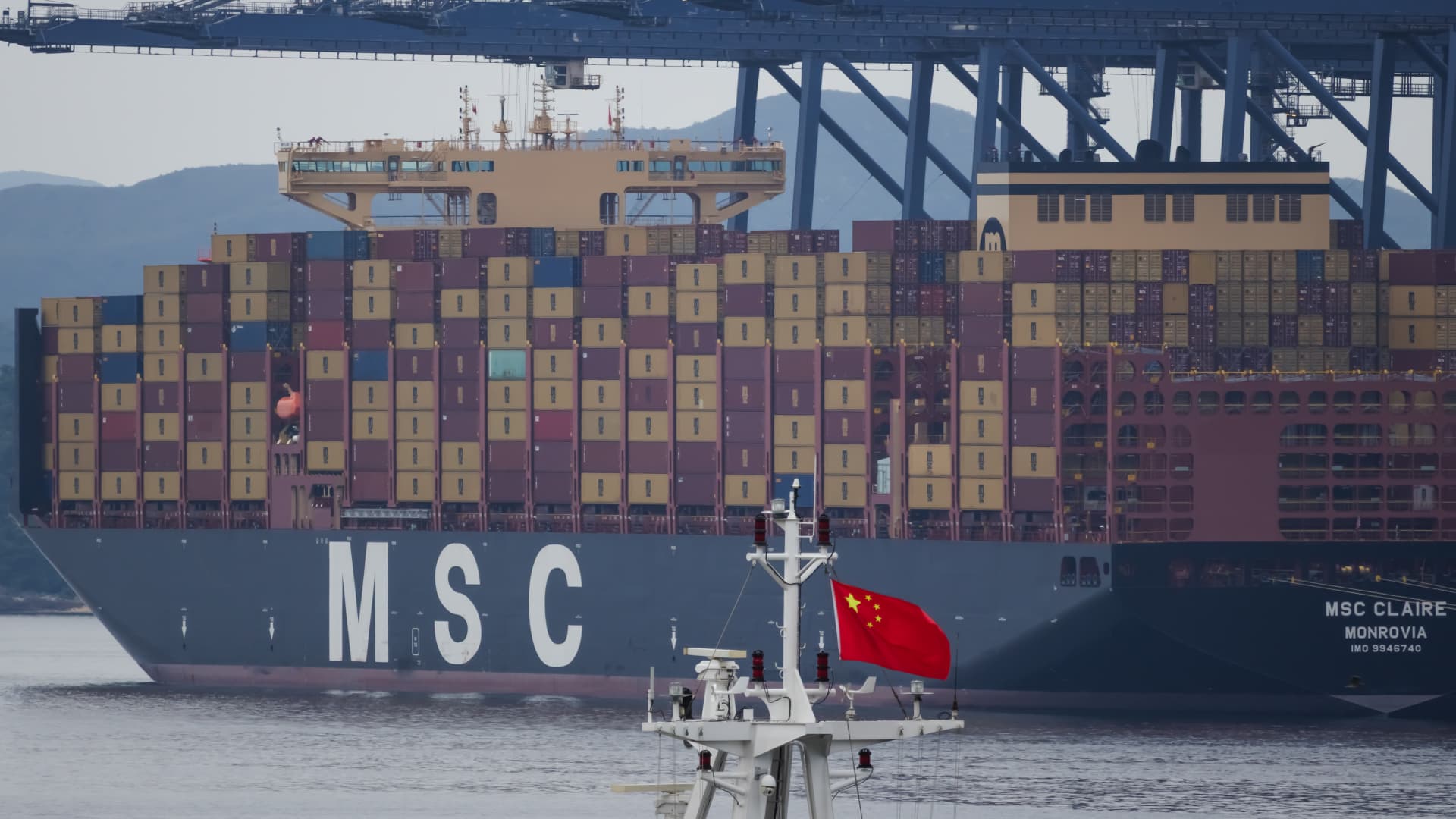
Shipping activity has improved, but it remains well below normal levels. MarineTraffic, a ship-tracking data provider, said transits rose to 93 last weekend, triple the prior comparable period. Before the war, more than 100 ships moved through the strait each day, according to MarineTraffic data cited by CNBC.
MarineTraffic also said it confirmed 31 verified crossings on Tuesday by commercial ships and energy-carrying vessels. The firm said Thursday that ship operators were still moving carefully rather than returning to normal traffic patterns, as vessels used a mix of Iranian, Omani and International Maritime Organization route patterns.
Washington has pushed back on Iranian control
The U.S. Treasury Department sanctioned Iran’s Persian Gulf Strait Authority in May, describing the authority as part of an effort to “extort global maritime trade.” Treasury Secretary Scott Bessent also said Washington would not tolerate a tolling system on the Strait of Hormuz and would target actors involved.
Energy analysts are watching whether Iran’s role in managing the strait becomes a lasting constraint on traffic. Helima Croft, head of global commodity strategy at RBC Capital Markets, told clients in a Thursday note that prewar tanker volumes may mark the high point for the foreseeable future if Iran keeps operational control and influence over the waterway.
Croft said any end to the conflict that leaves Iran with that level of influence would likely mean “appreciably lower flows” through Hormuz, according to the note. For markets, that keeps the focus on whether ships can move safely, predictably and at scale through a route that carries a large share of global energy trade.
This story draws on original reporting from CNBC.