ECB raises rates to 2.25% as Middle East energy shock lifts inflation
The European Central Bank delivered its first rate increase since 2023, citing inflation pressure from the U.S.-Iran war and higher energy costs.
By Sofia Marchetti · Columnist
· 3 min read
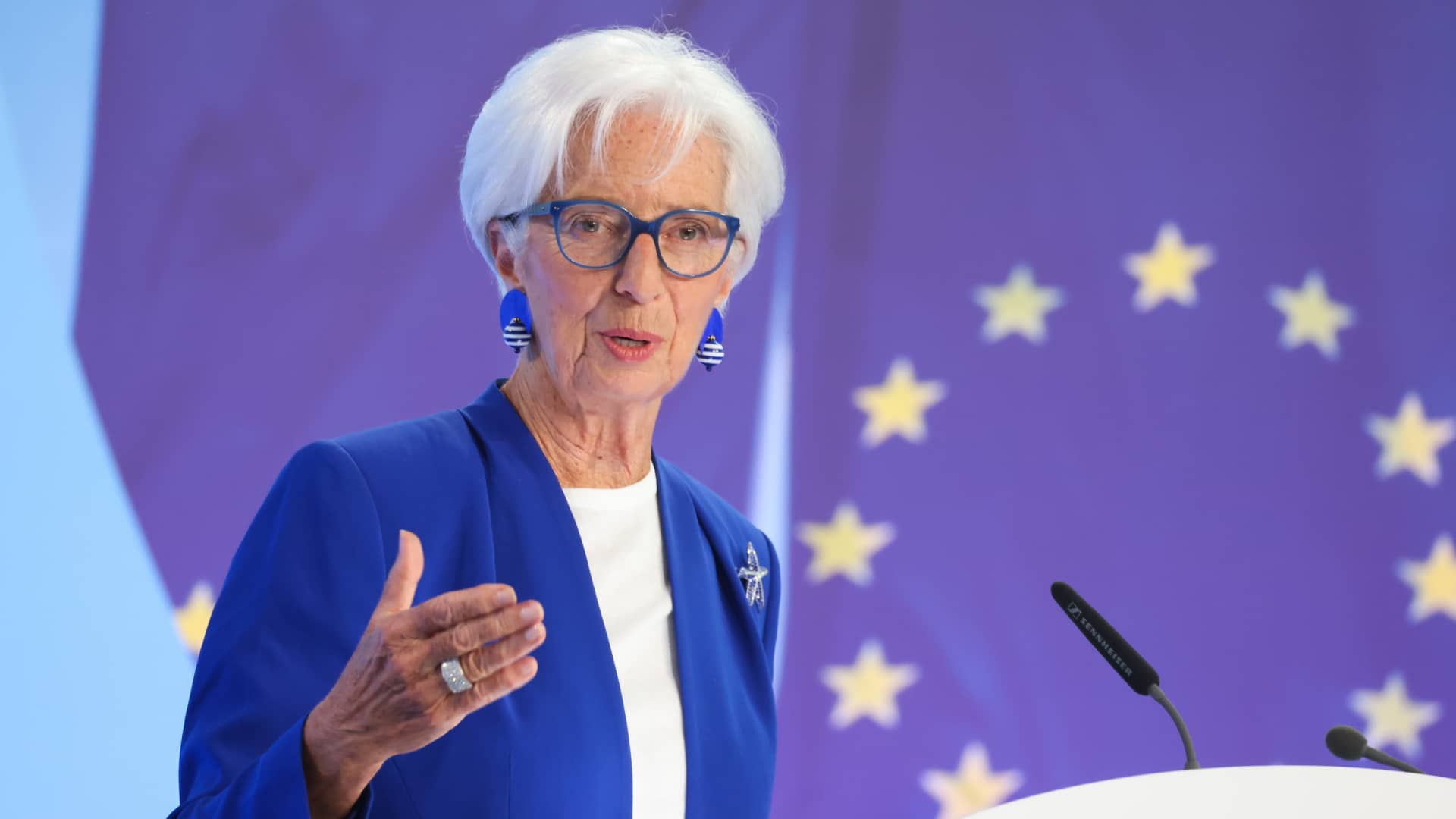
The European Central Bank raised interest rates on Thursday for the first time since 2023, lifting its key rate by a quarter point to 2.25%. For everyday investors, the move signals that the euro zone’s inflation problem has shifted from cooling steadily to being pushed higher again by energy costs tied to the U.S.-Iran war.
A rate hike makes borrowing more expensive across the economy, which can slow spending and investment. Central banks use that tool to cool inflation, which is the pace at which prices rise, but higher rates can also weigh on growth and corporate earnings.
The ECB’s Governing Council said the increase was aimed at limiting price pressures caused by the war in the Middle East. In its statement, the central bank said the conflict is creating inflation risks and that raising rates was “robust across a range of scenarios” for how the shock could affect the euro area over the medium term.
Markets had almost fully expected at least a 25 basis point increase before the June meeting, according to LSEG data. A basis point is one-hundredth of a percentage point, so 25 basis points equals 0.25 percentage point.
Inflation forecast moves higher
The ECB also raised its inflation outlook. It now expects headline inflation in the euro zone to average 3% in 2026, then slow to 2.3% in 2027 and 2% in 2028.
The central bank said the change reflects expectations for higher energy prices, which can spill into food, goods and services. Energy matters because fuel and power are input costs for businesses, from factories and farms to freight companies. When those costs rise, companies may pass some of the increase to customers.
Euro zone inflation rose to 3.2% in May, according to flash data cited by CNBC, putting it further above the ECB’s 2% target. The euro zone economy expanded by 0.1% in the first quarter, CNBC reported.
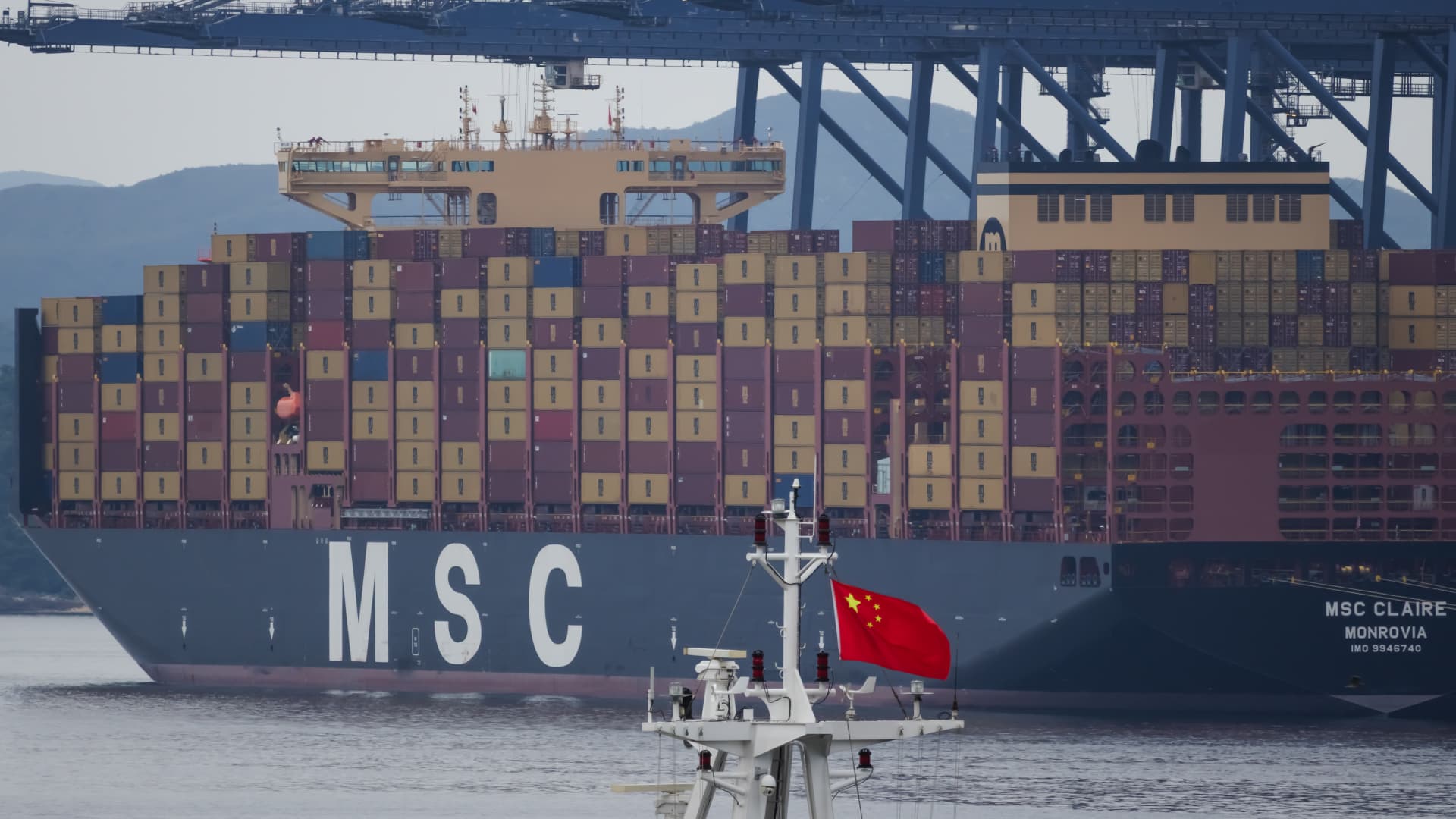
The war has disrupted global energy markets after the closure of the Strait of Hormuz and damage to energy production facilities in the Middle East, according to CNBC. A fragile ceasefire remains in place, while tensions between Washington and Tehran have escalated in recent days, CNBC reported.
Growth outlook gets trimmed
The ECB lowered its growth forecasts for this year and next year. It now expects euro zone growth of 0.8% in 2026, 1.2% in 2027 and 1.5% in 2028.
Officials said the weaker outlook reflects “a more pronounced impact of the war on commodity markets, real incomes and confidence.” Real income means income adjusted for inflation, so higher prices can leave households with less spending power even if paychecks rise.
ECB President Christine Lagarde told reporters that the outlook remains uncertain, with risks tilted higher for inflation and lower for growth. “We are not pre-committing to a particular rate path,” she said.
Lagarde said the war’s effect on medium-term inflation and growth will depend on how intense and long-lasting the energy price shock becomes, as well as its indirect and second-round effects. Second-round effects are follow-on price increases, such as workers seeking higher wages after energy-driven inflation pushes up living costs.
Mark Wall, chief European economist at Deutsche Bank, called the decision “a significant moment” in a note, saying it was the first ECB hike since 2023 and the first hike by a major global central bank in response to the energy shock. Wall said Deutsche Bank expects one more hike in September.
Neil Birrell, chief investment officer at Premier Miton, said in a note that the decision was unsurprising given the inflation backdrop. He said more hikes this year are likely, depending on the data.
Market reaction was muted after the decision. The 10-year German bund yield, a benchmark for the euro zone, was 2 basis points lower by 2:50 p.m. in Frankfurt, while the euro was flat against both the dollar and the British pound, according to CNBC.
This story draws on original reporting from CNBC.