Fed rate hike September bets rise after divided hold
The Fed kept rates unchanged, but three dissents and inflation worries pushed traders to price in a possible September hike.
By Sofia Marchetti · Columnist
· 3 min read
The odds of a Fed rate hike September move climbed after the central bank held rates steady but showed a deeper split over inflation. For everyday investors, that mix can pressure both stocks and bonds because higher rates make borrowing more expensive and can reduce what investors are willing to pay for future earnings.
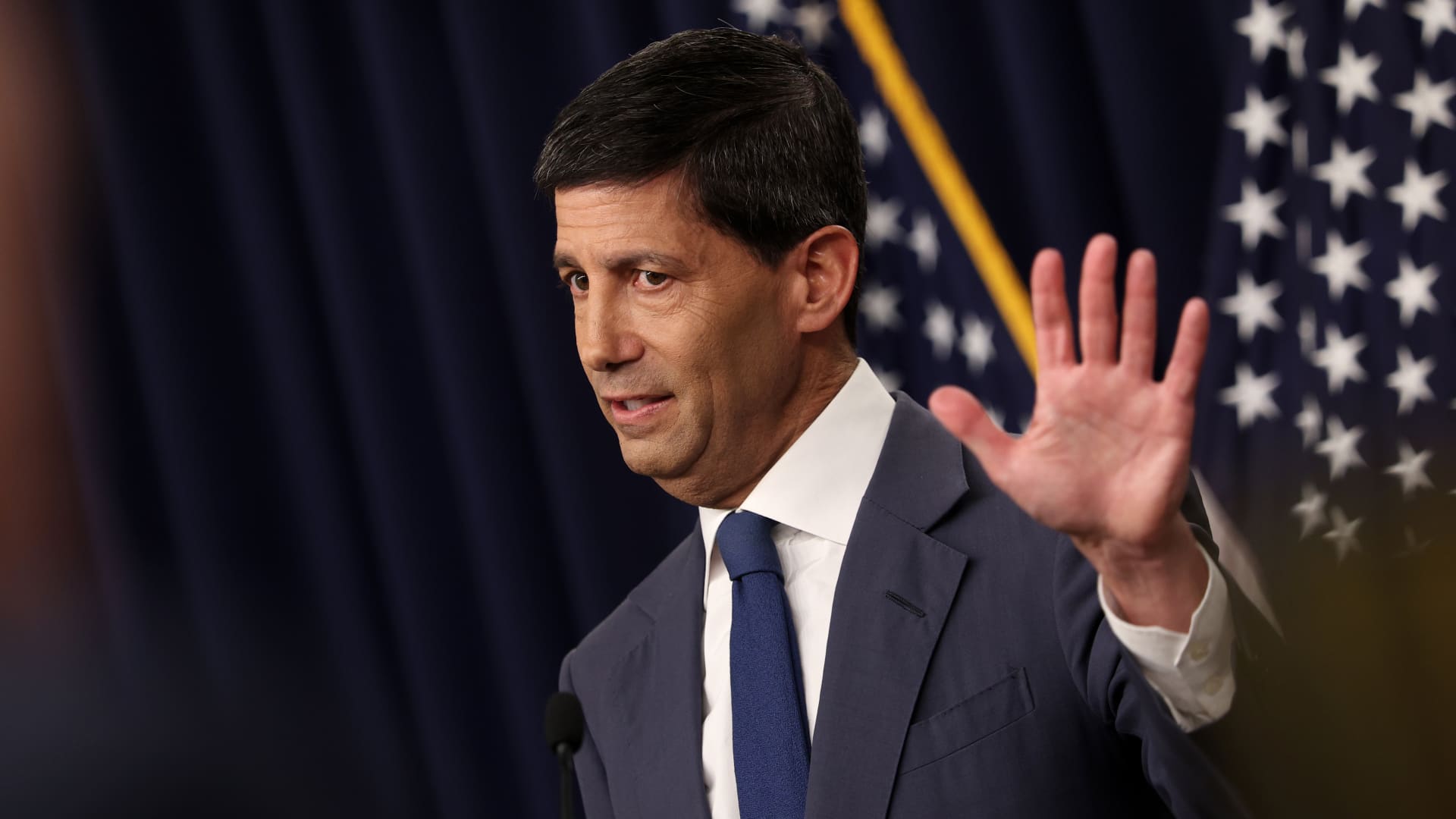
The Federal Reserve left interest rates unchanged Wednesday at Chair Kevin Warsh’s second meeting in charge. Markets had broadly expected no move, but three policymakers dissented in favor of raising rates, the largest group pushing for a hike at a meeting since September 2016, according to Ian Lyngen, head of U.S. rates strategy at BMO Capital Markets.
Lyngen told clients he read the outcome as a committee with outspoken inflation hawks, while most policymakers stayed aligned with Warsh. In 2016, the Fed held again at its next meeting with two dissents, then approved a 25-basis-point increase unanimously in December, according to Lyngen. A basis point is one one-hundredth of a percentage point, so 25 basis points equals 0.25 percentage point.
Will the Fed raise rates in September?
Traders moved closer to pricing that in. Fed funds futures showed a more than 57% chance of a quarter-point hike at the September meeting, according to CME’s FedWatch tool. On Kalshi, about 53% of traders expected a rate increase, while 43% expected another hold.
Ellen Zentner, chief economic strategist for Morgan Stanley Wealth Management, said market pricing appears to have shifted the expected timing of a hike forward and described September as a meeting where a move remains possible. Stephen Douglass, chief economist at NISA Investment Advisors, said the three dissents could point to a “hawkish hold,” though he still expected the Fed’s next move to be a rate cut in March of next year.
The main issue is inflation. Warsh said Wednesday the Fed remains focused on bringing inflation back to its preferred 2% annual target after years of higher readings. “You’ve heard this before, but we will deliver price stability,” Warsh said.
Jeffrey Gundlach, CEO of DoubleLine Capital, argued on CNBC’s “Closing Bell” that if the Fed wants inflation at 2%, it will likely need to raise rates. Rate hikes are called monetary tightening because they make credit more costly, which can slow spending and investment and, in turn, cool price increases.
How did markets react?
Stocks sold off Wednesday as investors adjusted to the possibility of tighter policy. The S&P 500 fell 1.5%, its worst second Fed day for a new chair in modern history, according to Bespoke Investment Group. The Dow Jones Industrial Average dropped more than 2%, its largest one-day decline since April 2025, when President Donald Trump’s tariff policy weighed on markets.
The Nasdaq Composite also slid, leaving the tech-heavy index more than 10% below its record high. It marked the Nasdaq’s sixth straight losing session, the first such streak since 2024.
Josh Jamner, senior investment strategy analyst at ClearBridge Investments, said financial markets are still adjusting to the change in Fed leadership. He said higher volatility under Warsh may be part of how markets process the new regime.
Bonds sent their own warning. The 30-year Treasury yield rose more than 10 basis points Wednesday to its highest level since July 2007. The 10-year Treasury yield moved above 4.6%, while shorter-term yields declined as investors weighed the Fed’s decision to wait before reacting further to inflation.
Gundlach said the rise in the long bond yield after Warsh’s press conference showed bond investors want the Fed to back up its inflation message with action. He described the market’s signal as a demand for the central bank to act if it wants its rhetoric believed.
This story draws on original reporting from CNBC.